Express.Love
🌍Planet
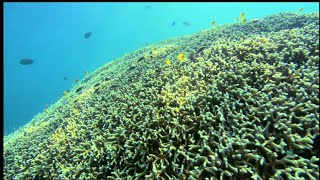
Phytoplankton Levels Dropping
NASA satellites detected a 1% annual drop in Northern Hemisphere phytoplankton from 1998–2012. These invisible ocean plants drive 25% of human CO₂ absorption and anchor the entire marine food chain.
🌍Planet
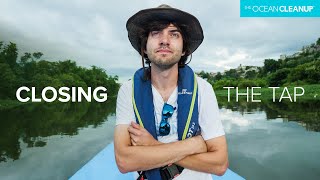
Interceptor Solutions to Stop Plastic
The Ocean Cleanup's Interceptor targets the 1% of rivers responsible for 80% of ocean plastic — stopping pollution at its source. Deploying these machines across 1,000 rivers worldwide proves that scalable technology, paired with local partnerships, can rapidly close the tap on plastic reaching our seas.
🌍Planet
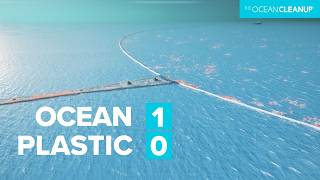
Heres How We Rid the Worlds Oceans of Plastic
Join us as we explore innovative solutions and inspiring initiatives that are making waves in the fight against ocean plastic. Together, we can create a cleaner, healthier planet for all.
🌍Planet
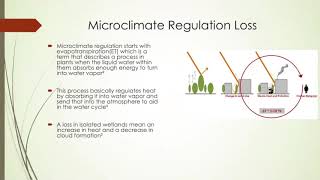
Geographically Isolated Wetland Deregulation and the Impacts of its Destruction on the United States
Carla Peralta's research reveals how destroying isolated wetlands — 29% of all U.S. wetlands — strips away flood control, microclimate cooling, and pollution filtration. Deregulation under the Clean Water Act rollback now lets pesticides and fertilizers overwhelm these ecosystems, triggering algal dead zones and worsening urban flooding.
🌍Planet
IN HINDI ✅ Wetland & it's Types | Importance, Threats & Protection of wetlands |@DharmrajCreation
Wetlands act as nature's water banks — filtering pollution, recharging groundwater, and sheltering wildlife across marshes, swamps, and coastal mangroves. Urban expansion, illegal construction, and climate change are rapidly destroying these ecosystems, making community awareness and legal protection urgent.

🌍Planet
Human impacts on ecosystems | Biodiversity and human impacts | High school biology | Khan Academy
Human activity disrupts ecosystems through five key forces: habitat destruction, pollution, invasive species, over-exploitation, and climate change. Each threat compounds the others, pushing species toward extinction and ultimately endangering human survival itself.
🌍Planet
The threat of invasive species - Jennifer Klos
Invasive species like kudzu, Burmese pythons, and European rabbits reveal how ecosystems collapse when limiting factors fail to control a non-native species. Science shows millennia of coevolution create fragile balances that a single introduction can permanently destroy.
🌍Planet
The Invasive Animals Destroying the Planet
Invasive species like silver carp, cane toads, and rabbits have collapsed entire ecosystems after humans introduced them to new environments. Science reveals how quickly nature unravels when even a handful of misplaced animals outcompete, poison, or outbreed every native species around them.
🌍Planet
160 year battle against one of Australia's worst invasives 🐇 | Meet the Ferals Ep 6 | ABC Australia
Australia's 165-year war on rabbits — from poison drops and disease to the accidental release of the calicivirus — reveals how 24 imported rabbits reshaped an entire continent. Biological controls like myxomatosis and RCD slashed populations by 90%, triggering dramatic ecological recovery across millions of hectares.
🌍Planet
Overfishing: The worst and best fish you can eat
Seafood Watch scientist Ryan Bigelow breaks down which fish are safe to eat — and which, like bluefin tuna and eel, are critically endangered. Bottom trawling, longline bycatch, and carnivorous fish farms reveal why "sustainable seafood" demands far more than a label.
![इंसान कितनी मछलियां खा रहे हैं, देखिए [What is overfishing?]](https://img.youtube.com/vi/7WlptA9LfNM/mqdefault.jpg)
🌍Planet
इंसान कितनी मछलियां खा रहे हैं, देखिए [What is overfishing?]
Horses pull massive nets through China's frozen Chaqian Lake at -26°C, harvesting 450 tons of fish in just 11 days using a centuries-old tradition. Global overfishing now strips oceans faster than fish can reproduce, threatening the protein supply of 3 billion people worldwide.

🌍Planet
Will the ocean ever run out of fish? - Ayana Elizabeth Johnson and Jennifer Jacquet
Overfishing has pushed species like bluefin tuna and Patagonian toothfish toward collapse through industrial-scale fishing technology once built for war. Science shows marine reserves, fishing limits, and consumer pressure can reverse population crashes — but only with strict enforcement and global cooperation.
🌍Planet
How one scientist took on the chemical industry - Mark Lytle
Rachel Carson's *Silent Spring* exposed how DDT accumulated through food chains, silencing bird populations and threatening human health. Her science-backed challenge to chemical industry power sparked the environmental movement and led to DDT's ban.

🌍Planet
Pesticides - DDT - Rachel Carson - Silent Spring
DDT was once sprayed on children and sold as safe — until Rachel Carson's *Silent Spring* exposed how it silently devastated birds, ecosystems, and human health. Her findings launched the modern environmental movement and proved that "scientific progress" can hide catastrophic blind spots.

🌍Planet
Do we really need pesticides? - Fernan Pérez-Gálvez
Pesticide use has shaped agriculture for centuries — from arsenic sprays to DDT's Nobel Prize-winning rise and eventual ban. Rapid insect evolution keeps creating chemical-resistant "superbugs," pushing scientists toward drones and biological alternatives.
🌍Planet
What if We Accidentally Eat Plastic? | How Microplastics Affect your Health? | Dr. Binocs Show
Humans ingest the equivalent of a credit card's worth of microplastics weekly — absorbing particles that damage organs and disrupt hormones. Swap plastic containers for glass or steel, and cut single-use plastics to reduce your exposure.
🌍Planet
What Is PLASTIC POLLUTION? | What Causes Plastic Pollution? | The Dr Binocs Show | Peekaboo Kidz
Plastic pollution kills millions of animals yearly — sea turtles mistake bags for jellyfish, and microplastics now appear in 114 marine species and most tap water. Single-use plastics make up 40% of all plastic trash, but recycling, reusable containers, and smarter choices can reverse the damage.
🌍Planet
Plastic Pollution: How Humans are Turning the World into Plastic
Plastic takes 500–1,000 years to break down, yet 40% is used for single-use packaging — and 79% of all plastic ever made still pollutes our planet. Microplastics now travel up the food chain into human bodies, with BPA found in 93% of people's urine.
🌍Planet
|| Wetlands || Types of Wetlands || Importance of Wetlands || Threats to wetlands||
Wetlands act as natural water filters, flood controllers, and biodiversity hotspots — yet they're vanishing fast. Science shows these ecosystems store carbon, purify water, and sustain millions of species worldwide.
🌍Planet
Can desalination solve the global water crisis?
Cape Town's "Day Zero" water crisis reveals why desalination—removing salt from seawater—is becoming humanity's fastest-growing freshwater solution. Solar-powered plants now produce 1,000 liters for 50 cents, but toxic brine waste threatens ocean ecosystems with no global plan in place.
🌍Planet
China's Water Crisis, Running Out of WATER, FOOD & ENERGY
China's Jiangling River has run dry amid record heat, leaving 350,000 people without water and crops dying across the region. With only 7% of global freshwater for 21% of the world's population, China's water crisis threatens global food and energy markets.
🌍Planet
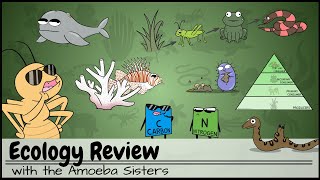
Ecology Review: Food Chains & Webs, Relationships, Nitrogen & Carbon Cycles, Effects on Biodiversity
Termites anchor an ecology review covering food webs, trophic levels, the 10% energy rule, and symbiotic relationships. See how removing one species triggers cascading effects that reveal why biodiversity drives ecosystem stability.

🌍Planet
Climate change: what is ocean acidification?
Ocean acidification is dissolving marine shells 76% thinner and collapsing deep-sea coral reefs — and scientists say the worst is no longer avoidable. Vanessa O'Brien's Challenger Deep dive and 150-year-old shell comparisons reveal how CO2 is rewriting ocean chemistry at an unprecedented speed.
🌍Planet
Climate Change 101 with Bill Nye | National Geographic
Human activity has raised Earth's temperature 1.2–1.4°F in just one century, triggering ocean acidification, melting glaciers, and doubled sea-level rise rates. 97% of climate scientists confirm we caused it — and our daily choices can help reverse it.
🌍Planet
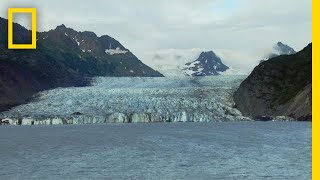
Climate 101: Glaciers | National Geographic
Glaciers act as Earth's early warning system, revealing how rising temperatures accelerate ice loss and trigger rising seas, altered ocean currents, and freshwater shortages. Watch how glacial melt silently reshapes our planet's future — and why protecting ice means protecting life.
🌍Planet
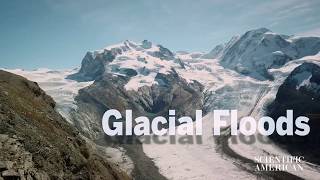
What a GLACIAL LAKE OUTBURST FLOOD Looks Like
Glacial lake outburst floods—walls of water, ice, and rock—have killed 12,000+ people worldwide as melting glaciers create unstable, easily ruptured dams. Glaciologist Fabian Walter's research on cyclically draining ice lakes reveals why these floods remain nearly impossible to predict—and why climate change is making them deadlier.

🌍Planet
What If All The World's Ice melt? | Dr Binocs Show | Peekaboo Kidz
If all of Earth's ice melted overnight, global sea levels would surge 230 feet, submerging coastlines and displacing 40% of humanity. The cascade effect would contaminate freshwater aquifers, alter ocean currents, intensify hurricanes, and ultimately collapse life as we know it.
🌍Planet
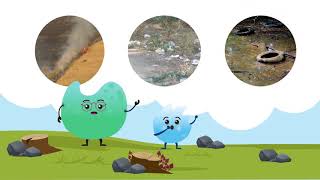
Effect of Humans on Wildlife Habitats, and Deforestation, and Energy Resources
Deforestation, hunting, and fossil fuel pollution are destroying wildlife habitats and accelerating desertification worldwide. Switching to solar, wind, and water energy can halt extinction and restore what forests protect.
🌍Planet
Desertification - A Visual Disaster
Farmers in Niger's Sahel region reversed desertification using three low-cost techniques: zai pits, contour bunds, and selective tree pruning. These methods boosted crop yields by 40% in the first year, proving that community-led land restoration can outpace poverty and population pressure.
🌍Planet
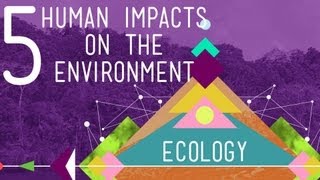
5 Human Impacts on the Environment: Crash Course Ecology #10
Human activity has driven nearly 1,000 species extinct, dismantling the ecosystems that filter our water, regulate our climate, and produce our food. Biodiversity keeps these systems resilient — lose enough species, and the whole house of cards collapses.

🌍Planet
I Turned World’s Most Polluted City into a Green City
A team deploys water-sprinkler trucks across New Delhi to suppress the dust particles causing 30% of the city's daily air pollution. Partnering with local NGOs, they uncover why farmers burn stubble — not by choice, but out of desperation from a lack of resources and guidance.
🌍Planet
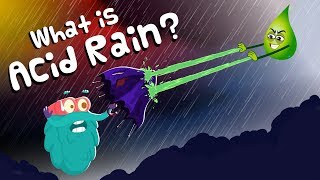
What is ACID RAIN? | Acid Rain | Dr Binocs Show | Kids Learning Video | Peekaboo Kidz
Acid rain forms when sulfur dioxide and nitrogen oxide from burning fossil fuels react with atmospheric water, creating sulfuric and nitric acid with a pH as low as 3. This chemical process poisons aquatic ecosystems, strips forests of nutrients, and even erodes limestone monuments like the Taj Mahal.

🌍Planet
What If You Drink Too Much Water? | Water Intoxication | Overhydration Side Effects | Dr. Binocs
Drinking too much water too fast overwhelms your kidneys, triggering hyponatremia — a dangerous swelling of brain cells inside your skull. Learn why your body's sodium balance is the hidden key to safe hydration.
🌍Planet
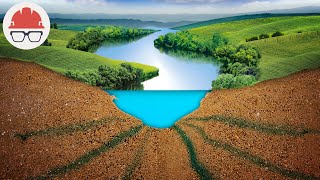
How Wells & Aquifers Actually Work
A garage-built aquifer model reveals how groundwater actually moves through sand and rock — not underground rivers. Science shows why wells work, how aquifers recharge, and what links surface water to the water beneath your feet.
🌍Planet
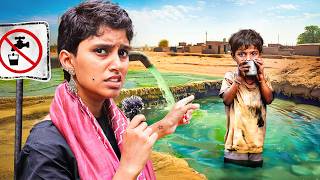
Inside the deadly water crisis in Rajasthan!
Fluoride-contaminated well water in Chhamundia, Rajasthan forces women to carry pots 20 times daily while slowly damaging their teeth, knees, and children's health. A young girl's dream of becoming a teacher collides with a reality where poisoned water shapes every hour of village life.

🌍Planet
Water Crisis in Indian States? I Water Crisis I Amrit Upadhyay I StudyIQ IAS Hindi
India faces a severe water crisis, with 7 states including Maharashtra, Gujarat, and Karnataka nearing Day Zero. Over 80% of Indians drink contaminated water as rivers, reservoirs, and groundwater rapidly deplete.

🌍Planet
Why The World Is Running Out Of Soil
Soil erosion now outpaces formation by up to 100x in some countries, threatening 95% of our food supply within decades. Rodale Institute's 42-year trial proves regenerative organic farming rebuilds soil while cutting carbon emissions 40%.

🌍Planet
Regreening Ethiopia's Highlands: A New Hope for Africa
Ethiopia's highlands are reversing decades of erosion through community-led watershed restoration and sustainable land management. Farmers who reclaimed degraded soil now report higher crop yields, more productive livestock, and new income streams like fish farming.
🌍Planet
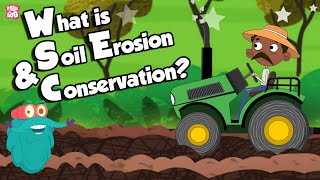
What Is Soil Erosion & Conservation? | SOIL CONSERVATION | Dr Binocs Show | Peekaboo Kidz
Soil conservation methods like afforestation, windbreaks, and sea walls actively fight erosion that strips away nutrient-rich topsoil. Losing healthy topsoil threatens Earth's entire food supply, making these protective practices critical for all living beings.

🌍Planet
Can Everything Be Recycled? Welcome to TerraCycle | One Small Step | NowThis
TerraCycle: Recycled over 7.7 billion pieces of waste globally

🌍Planet
The surprising thing I learned sailing solo around the world | Dame Ellen MacArthur
The Ellen MacArthur Foundation: Engaged over 1,000 organizations in the Circular Economy 100 program

🌍Planet
A Day in My Life with Zero Waste
Zero Waste Europe: Diverted over 1 million tonnes of waste from landfills through community initiatives

🌍Planet
Growing In Newark
The Trust for Public Land: Created over 300 community gardens across the United States

🌍Planet
I Wish I Knew This Vermicomposting Method When I Started.
Urban Harvest: Educated over 20,000 students through school gardens in Houston

🌍Planet
Connecting a Garden Hose to a Fire Hydrant
GreenThumb: Supports over 550 community gardens in New York City
🌍Planet
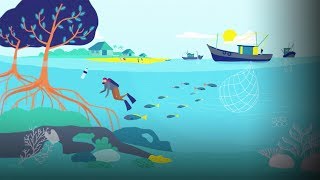
An ingenious proposal for scaling up marine protection | The Nature Conservancy
The Nature Conservancy: Restored over 100 acres of coral reefs globally

🌍Planet
Explore the Rainforest! | Ecology for Kids
Rainforest Alliance: Certified over 5 million hectares of farmland under sustainable practices
🌍Planet
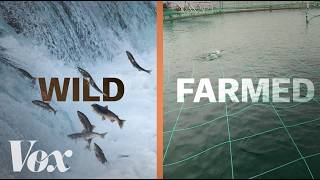
The salmon dilemma
World Wildlife Fund: Supported sustainable farming practices on 1.5 million hectares of land

🌍Planet
How solar energy got so cheap, and why it's not everywhere (yet)
International Renewable Energy Agency (IRENA): Reported that global renewable energy capacity reached 3,372 GW by the end of 2022
🌍Planet
Is offshore wind the energy of the future?
Global Wind Energy Council (GWEC): Facilitated the installation of 93 GW of new wind power capacity globally in 2020