Express.Love
🐾Animal
A World Without Bees
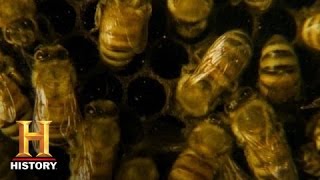
Bees pollinate 70 of the world's top 100 crops — and WWF Chief Scientist John Hoekstra reveals their loss could slash agave reproduction to 1/3,000th. Without bees, food costs soar, ecosystems collapse, and your diet shrinks to little more than grain.
🐾Animal
Monarch Migration and Metamorphosis
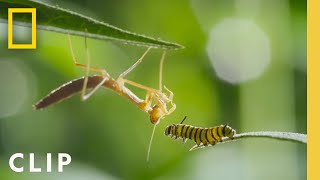
A dying monarch butterfly lays hundreds of eggs on backyard milkweed, completing her life's only mission before her babies hatch. Science reveals her caterpillars inherit her exact GPS and purpose — evolution's most elegant relay race.
🐾Animal
The deathly cost of drug-resistant infections
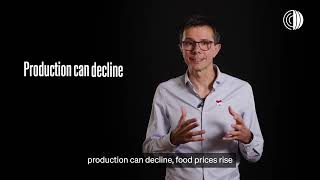
The Eco AMR report projects 39 million deaths and $5 trillion in economic losses from drug-resistant bacteria by 2050. Cutting antimicrobial use 30% in livestock and investing in healthcare now could save 110 million lives with a 28-to-1 return.

🐾Animal
How can we solve the antibiotic resistance crisis? - Gerry Wright
Antibiotic resistance is outpacing new drug discovery, threatening to make routine surgeries and cancer treatment life-threatening. Profit-driven pharmaceutical decisions — not science — explain why we're losing our most critical medical tool.
🐾Animal
What causes antibiotic resistance? - Kevin Wu
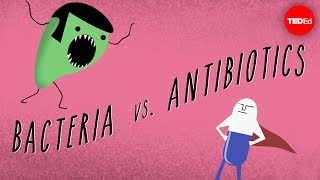
Antibiotic-resistant superbugs like MRSA evolve through natural selection, surviving drugs by mutating faster than medicine can keep up. Scientists are fighting back with phage therapy, new antibiotics, and smarter usage to slow the superbug takeover.
🐾Animal
The 6th Extinction - Decline in Amphibian Populations (Second Life Machinima)
Explore the delicate balance of nature in this poignant machinima, as we delve into the heartbreaking decline of amphibian populations. Join us in raising awareness and fostering a love for these vital creatures that share our planet.
🐾Animal
Wildlife in decline by almost 70% since 1970, says report - BBC News
Wildlife populations have plummeted 69% since 1970, with freshwater species down 83% and Latin American animals losing 94% of their numbers. WWF warns that without urgent global action at December's Montreal summit, collapsing biodiversity will make the 1.5°C climate target impossible to reach.
🐾Animal
What's Killing the World's Amphibians?
A deadly aquatic fungus called Bd has driven nearly 170 amphibian species extinct by destroying the skin they rely on to breathe and absorb vital nutrients. One-third of the world's 7,000 amphibian species now face extinction, partly spread by the global pet and food trade.

🐾Animal
The Power of Pollinators
North America's 4,000+ native wild bee species outperform honeybees as pollinators, using tricks like buzz pollination to fertilize crops no other insect can. With half of wild bee species declining, even one square foot of native wildflowers in your yard can help reverse their extinction.
🐾Animal
Why are bees important?
Bees pollinate $3 billion worth of food annually, trained to detect explosives, and signal climate shifts — making their collapse a crisis far beyond honey. Colony collapse disorder threatens pizza, biodiversity, flood prevention, and even crime-fighting, revealing how deeply human survival depends on these insects.

🐾Animal
Bee extinction: Why we're saving the wrong bees
Wild bee populations — 20,000 species distinct from honeybees — have dropped 25%+ since the 1990s, quietly threatening global food security. Managed honeybee colonies actually compete with and displace the specialist wild bees that crops like apples, tomatoes, and squash depend on.
🐾Animal
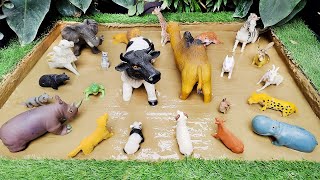
Animal Sanctuary: 🌿🐐 Rescuing Darling Farm and Domestic Zoo Animals from the Mud
Rescue workers pull farm and zoo animals from the mud, giving species like pandas, wolves, and giraffes a second chance at life. Science reveals how each animal's unique biology — from a cow's four-chambered stomach to a cheetah's 75 mph sprint — shapes its survival and bonds with humans.
🐾Animal
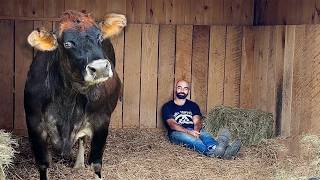
Blind Rescue Cow Melts Every Time She Hears Her Favorite Song
After 19 years confined to a barn, blind cow Helen experiences pasture, sunlight, and touch for the first time — and responds with trust, licking, and joy. Her transformation reveals how sensory enrichment and consistent care can rewire an animal's emotional world.
🐾Animal
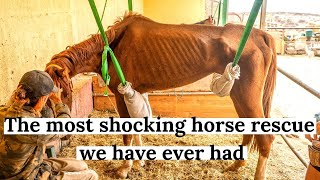
The most difficult rescue horse we ever had. Dory's full Story. Tenerife Horse Rescue
Dory the horse survived five years in a stable with an untreated broken jaw — kept alive by well-meaning owners too proud to seek help. Her rescue reveals how ignorance, not cruelty, causes profound animal suffering, and why education saves lives.
🐾Animal
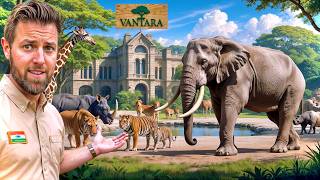
Private Tour Of World's Largest Animal Sanctuary
Ventara Wildlife Sanctuary in India rescues circus hippos and rehabilitates them in a massive lake, restoring natural behavior impossible in captivity. Hand-feeding hippos and racing cheetahs reveals how enrichment and space physically transform traumatized animals.
🐾Animal
Tiny Piglet's Whole World Changes When She Meets This Baby Cow | The Dodo Comeback Kids
A piglet named Marley falls off a factory farm truck and is nursed back to health through warmth, fruit punch, and milk replacer. Her recovery proves that love and companionship — not just medical care — are what allow traumatized animals to truly thrive.
🐾Animal
Heroes of the Wild: Elephants in Action Save Their Communities!
Timbo the elephant herd leader seeks a century-old jungle elder after a crocodile attack shatters his tusk and triggers a life-threatening infection. Elephants' capacity for collective problem-solving and emotional bonds drives them to travel miles to save one of their own.

🐾Animal
Botswana's Future Conservation Heroes
Botswana students learn food web dynamics by removing species from ecosystems, revealing how human activity drives environmental collapse. Hands-on conservation education shows that informed young leaders make better wildlife decisions than passion alone.
🐾Animal
Fall Expo 2018 - Rebecca Klein, Cheetah Conservation Botswana - Empowering Conservation Heroes Panel
A wildlife conservationist reveals how cheetah populations collapsed from 100,000 to under 7,000, driven by habitat loss and human-wildlife conflict. Botswana's Western Kalahari holds 55% of the world's remaining cheetahs — making local farmer partnerships the key to their survival.
🐾Animal
Who Gets to Be Our Conservation Heroes? | Michelle Rodrigues | TEDxMarquetteU
Primatologist Dr. [speaker] uncovers how Jane Goodall's fame eclipsed African scientists who documented chimp tool use centuries earlier. Colonial wealth networks — not just passion — determine who gets called a conservation hero and who gets erased.

🐾Animal
Kangchenjunga Conservation Area Project- A retrospective in tribute to our conservation heroes.
Join us as we celebrate the dedicated heroes of the Kangchenjunga Conservation Area, highlighting their incredible efforts to protect wildlife and preserve this breathtaking ecosystem. This heartfelt tribute showcases the power of compassion and teamwork in safeguarding our planet's precious animals.
🐾Animal
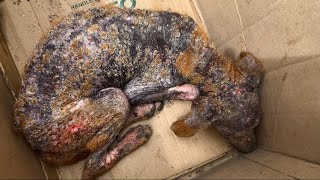
Amazing transformation of sick dog | rescue dog before and after
Witness the heartwarming journey of a sick dog as he transforms into a vibrant, joyful companion thanks to the power of love and care. This touching before-and-after rescue story will remind you of the incredible impact kindness can have on our furry friends.
🐾Animal
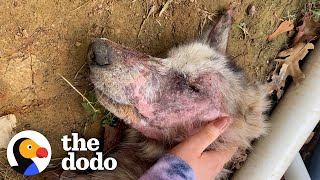
Starving Husky Nearly Gives Up Until A Miracle Happens | The Dodo
A collapsed husky named Jake was rescued from a Texas backyard and driven over an hour to emergency care, surviving against all odds. His recovery reveals how near-death experiences can rewire joy — Jake now savors every toy, person, and moment with rare, visible gratitude.
🐾Animal
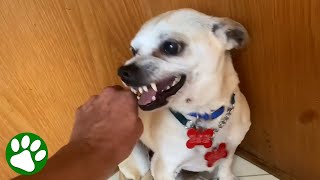
Terrified RESCUE dog had never felt the touch of a kind kind
A foster caregiver spent 10 days using patient, low-pressure touch to rewire an abuse-traumatized dog's fear response. Consistent safety signals physically shifted the dog from frozen terror to rolling over for belly rubs — proving trust can be rebuilt one closed fist at a time.

🐾Animal
Amazing Transformation Of Starving Dog After Rescued Dog Rescue Stories
Witness the heartwarming journey of a once-starving dog as it finds love and care after being rescued. This incredible transformation will remind you of the power of compassion and the difference one act of kindness can make.
🐾Animal
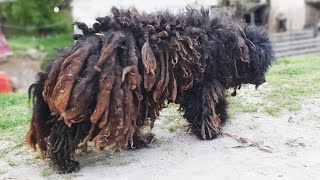
YOU WON'T BELIEVE how this DOG looks after shaving all these dreadlocks
The transcript provided contains no content to base a description on. Could you share the actual transcript text so I can write an accurate, specific meta description for the video?
🐾Animal
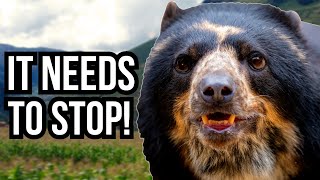
3 Tragic Human Wildlife Conflicts From Around The World
Human-elephant conflict kills 100+ people annually in India while driving elephants to raid farms — and retaliation poisonings wiped out 60+ elephants in a single year. Spectacled bears face the same deadly cycle: farmers blame them for livestock deaths they didn't cause, fueling persecution of South America's only native bear species.
🐾Animal
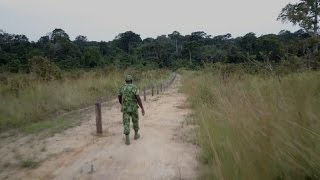
Reducing Human-Wildlife Conflict and Enhancing Coexistence
Electric fences in African villages are redirecting elephant herds away from crops — protecting both livelihoods and wildlife. Global conservation teams prove that community-led solutions, not conflict, determine whether elephants survive the next century.
🐾Animal
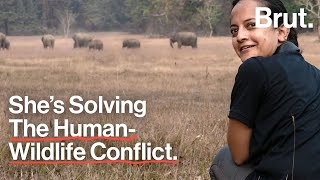
This Scientist Is Solving The Human-Wildlife Conflict | In collaboration with ThumsUp
A wildlife scientist built a toll-free hotline helping 1,500+ Indian villages report elephant and tiger conflicts — protecting both livelihoods and animals. His community-first approach boosted environmental literacy by up to 16%, proving local solutions outperform imported ones.
🐾Animal
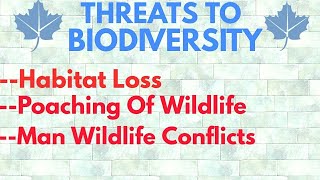
Threats To Biodiversity : Habitat Loss , Poaching Of Wildlife , Man Wildlife Conflicts
Human activities like habitat destruction, poaching, and wildlife trafficking have pushed Earth's biodiversity to its breaking point over the last 150 years. Illegal hunting for ivory, tiger bones, and timber shows how profit-driven exploitation silently erases entire species from our planet.

🐾Animal
I Lived With WILD Animals For A Month And It Was CRAZY
Witness 20 real animal encounters — jaguars vs. caimans, orcas hunting seals, and eagles stealing prey mid-air. These raw moments reveal how survival drives both brutal conflict and unexpected cooperation across every ecosystem on Earth.
🐾Animal
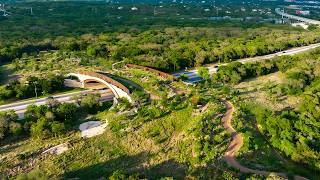
What Trail Cameras Found on The World's First Human-Wildlife Crossing
San Antonio's $23M Robert Tobin Landbridge reunited a highway-split 330-acre park — and within one year, every animal species in the park crossed it. Skeptics claimed wildlife would never use a bridge, but cameras caught 31 species crossing, proving urban habitat corridors can reverse fragmentation.
🐾Animal
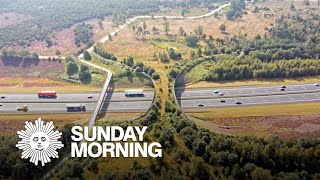
How wildlife crossings protect both animals and people
Wildlife crossings along I-90 and the 101 freeway reconnect fragmented habitats, letting elk, mountain lions, and salamanders move safely between ecosystems. Without genetic exchange, isolated populations collapse — these engineered corridors have already cut wildlife collisions by 80% in Banff and are saving lives on both sides of the road.

🐾Animal
The Hidden Engineering of Wildlife Crossings
The Wallis Annenberg Wildlife Crossing—a $92M bridge over LA's 101 freeway—reveals why high-traffic roads silently devastate wildlife by repelling animals rather than killing them. Habitat fragmentation starves and blocks migratory species even when roadkill numbers appear low.
🐾Animal
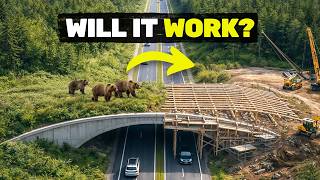
We’re creating the world’s biggest wildlife corridor
Wildlife crossings along the Yellowstone to Yukon corridor are reducing animal-vehicle collisions by over 90%, saving billions in taxpayer costs. Buried fences, forest-topped bridges, and hidden tunnels now let grizzlies roam freely across a 1.3-million-square-kilometre rewilding zone for the first time in generations.

🐾Animal
Wildlife crossings stop roadkill. Why aren't there more?
Wildlife crossings in Banff National Park cut elk-vehicle collisions from 100+ per year to fewer than six. Decades of data prove these overpasses and underpasses restore genetic connectivity across highways while slashing $8B in annual US collision costs.
🐾Animal
The Power of Love Heartwarming Cat Rescue Transformations
Adopted stray cats pass through four behavioral stages—from survival alert mode to "happy fat piggy"—revealing how safety rewires both their minds and metabolism. Their post-adoption weight gain stems from food-hoarding instincts, plummeting activity, and owner overfeeding, not just having enough to eat for the first time.
🐾Animal
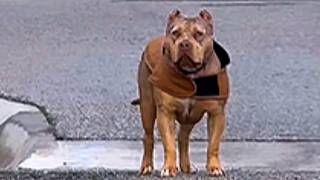
From Terrified Rescue To 75lb Lap Dog Sequoia's Transformation
A traumatized breeder-rescue dog named Sequoia transforms from a trembling, cage-raised survivor into a joyful, bonded companion over months of patient love. Her recovery reveals how consistent safety rewires deep-seated fear into trust — and heals the humans who show up for her.
🐾Animal
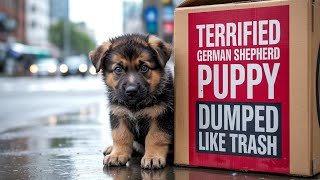
Terrified German Shepherd Puppy Dumped Like Trash — Watch His Heartwarming Rescue Transformation
A rescued German Shepherd named Shadow transforms from a trauma-frozen, abandoned dog into a joyful companion through weeks of patient, consistent care. His recovery reveals how repetition, safety, and calm presence can physically rewire fear responses in severely traumatized animals.
🐾Animal
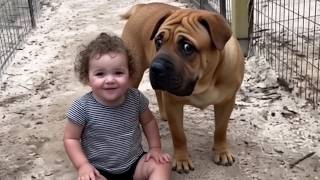
Shelter Said This 145 Pound Boerboel Was Too Aggressive — Until ONE Little Girl Sat Beside Him
A 145-lb dog rejected six times for being "aggressive" detected an open gas leak at 2:43 a.m. and stood guard between the kitchen and a 5-year-old's bedroom. Borbulls' heightened cortisol detection and threat-assessment instincts reframe what humans labeled dangerous as deeply protective.
🐾Animal
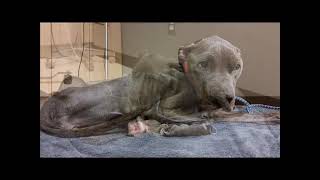
ABANDONNED IN LOCKED BASEMENT AND BROKEN. SEE HER TRANSFORM #ANIMAL RESCUE, #TRANSFORMATION,#dog
Watch the heartwarming journey of a resilient dog as she transforms from a broken spirit abandoned in a locked basement to a vibrant companion. Witness the power of love and care in this inspiring rescue story.
🐾Animal
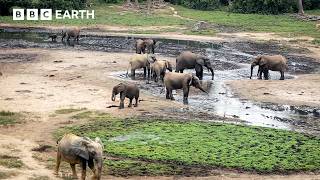
Rangers vs Poachers: The Fight to Save Africa's Elephants | Guardians | BBC Earth
Former poacher Modiki now leads an elite ranger unit in the Central African Republic, walking 2,000km and removing 4,000 snares in a single year to protect critically endangered elephants and gorillas. His transformation reveals how personal redemption can become a powerful force for conservation in one of Earth's last untouched wildernesses.
🐾Animal
Killing the Poachers - Swaziland
Ted Riley single-handedly saved Swaziland's wildlife by converting his inherited farm into a rhino sanctuary and battling armed poachers with a royal shoot-to-kill warrant. His decades-long fight reveals how one person's relentless conviction can pull an entire species back from the edge of extinction.
🐾Animal
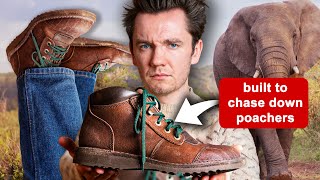
I Bought Anti-Poaching Boots Made in South Africa.
Jim Green's African Ranger boot armors the iconic Clarks Desert Boot silhouette — built from ranger feedback — to withstand thorns, fire, and poacher pursuits. South African craftsman Gareth Crouch transformed a casual classic into a life-saving trail runner for rangers facing deadly conditions every week.
🐾Animal
The best Anti-poaching Footage Ever! Protrack Anti-poaching Unit
Matt Bracken shaves his head and joins anti-poaching rangers in South Africa to fight rhino extinction firsthand. Grueling bush training and live patrols reveal how ordinary people transform personal conviction into life-or-death wildlife protection.
🐾Animal
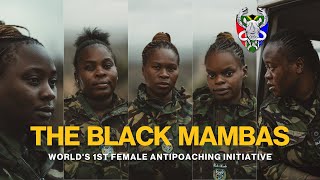
The Black Mambas Against Poachers In South Africa - Unarmed Battle To Protect The Wildlife
South Africa's Black Mambas became the world's first all-female anti-poaching unit by replacing guns with education and community trust. Their unarmed approach has protected rhinos for 10 years while proving women can lead conservation from the front lines.
🐾Animal
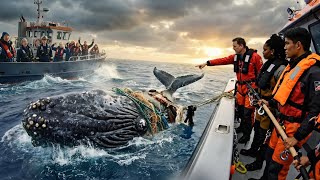
Saving a Dolphin Trapped in Fishing Line — A Real Ocean Rescue!
A marine rescue team races to free a humpback whale severely entangled in ghost netting, cutting through lines trapping her tail fluke and pectoral fin. The moment she breaks free reveals how exhaustion surrenders instantly to instinct — and why abandoned fishing gear silently kills thousands of marine animals each year.
🐾Animal
Blue Whale Documentary (Hindi) - Cinematic Ocean Journey | Hindi Nature Documentary #BlueWhale
Meet the blue whale — Earth's largest animal, with a car-sized heart that beats just 5–6 times per minute. Its gentle nature and 188-decibel calls reveal how immense size and quiet power can coexist in perfect balance.
🐾Animal
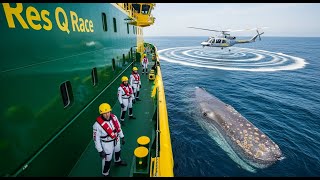
Inside an Ocean Wildlife Rescue Mission (Documentary
Dive into the heart of compassion with this documentary that follows a dedicated team on a mission to rescue and rehabilitate ocean wildlife. Experience the incredible stories of hope and healing as they work tirelessly to protect our marine friends.
🐾Animal
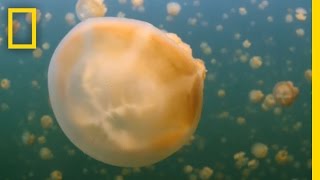
Our Incredible Ocean: Now Is the Time to Protect It | National Geographic
Cabo Pulmo's fishing ban turned a decimated reef into a thriving ocean in just one generation. Science confirms marine protected areas unlock the ocean's extraordinary power to regenerate life at scale.