
Coral Reef Symbiosis: The Rainforest of the Sea
Evidence-based science journalism. Every claim verified against peer-reviewed research.
Peer-Reviewed Science
56 published papers · click to read
38,537
combined citations
TL Goulet
University of Mississippi
Mississippi 38677, USAMost corals may not change their symbionts — Marine Ecology Progress Series
281 citations
Chenae A. Tuckett
University of Western Australia
AustraliaHigh Latitude Corals Tolerate Severe Cold Spell — Frontiers in Marine Science
42 citations
Todd C. LaJeunesse
Pennsylvania State University
PA 16802, USASystematic Revision of Symbiodiniaceae Highlights the Antiquity and Diversity of Coral Endosymbionts — Current Biology
1,680 citations
Madeleine J. H. van Oppen
Building coral reef resilience through assisted evolution
1,004 citations
Ove Hoegh‐Guldberg
Coral Reefs Under Rapid Climate Change and Ocean Acidification
5,876 citations
Garry R. Russ
Coral cover a stronger driver of reef fish trophic biomass than fishing
78 citations
J. E. N. Veron
The coral reef crisis: The critical importance of<350ppm CO2
428 citations
Terry P. Hughes
Global warming transforms coral reef assemblages
1,724 citations
Carlos M. Duarte
Aarhus University
Department of Biology, Aarhus UniversityRebuilding marine life — Nature
999 citations
Levi Cai
Semi-Supervised Visual Tracking of Marine Animals using Autonomous Underwater Vehicles
52 citations
Researchers identified from peer-reviewed literature indexed in Semantic Scholar · OpenAlex · PubMed. Each card links to the original published paper.
Professional Boundary: The content on Express.Love is for informational and educational purposes only. It is not intended to be a substitute for professional medical advice, diagnosis, or treatment. Always seek the advice of your physician or other qualified health provider with any questions you may have regarding a medical condition.
Coral reefs cover less than 0.1% of the ocean floor but support 25% of all marine species. The coral-zooxanthellae symbiosis is one of nature's most elegant partnerships — and we've lost 50% of it since 1950. But restoration science is racing to save what remains.
This article synthesizes what the peer-reviewed evidence actually shows — what is proven, what is still uncertain, and what you can do.
14 sources13 peer-reviewed papers + 1 scientific background source. Uncertainty stated clearly.
✓What is proven
- •Mass coral bleaching is directly caused by elevated sea surface temperatures
- •Ocean acidification reduces coral calcification rates
- •Coral reefs support approximately 25% of all marine species despite covering <0.1% of ocean
- •Selective breeding can increase coral thermal tolerance by several degrees
- •Nutrient runoff from agriculture accelerates coral degradation alongside warming
?Still uncertain or overstated
- •Whether assisted gene flow can work at reef-ecosystem scale (currently lab/small-site proven)
- •The precise tipping point temperature beyond which recovery becomes impossible
- •Whether deep-water refugia can reseed shallow reefs after mass bleaching events
- •How quickly coral microbiome communities can adapt to novel thermal regimes
- •Whether reef restoration can outpace the rate of degradation under current emission trajectories
What Is a Coral Reef?
Coral reefs cover less than 0.1% of the ocean floor. Yet they support approximately 25% of all known marine species — the highest concentration of biodiversity in the sea. A single reef can host more fish species than the entire North Sea.
This extraordinary density of life is not a coincidence. It is the product of one of nature's most elegant biological partnerships — a symbiosis so successful it has built entire ecosystems visible from space for over 200 million years.
Reefs are not rocks. They are living structures built by tiny animals called coral polyps, each one smaller than your fingernail, working in colonies of millions.
How Does the Coral-Zooxanthellae Symbiosis Work?
Inside the transparent tissue of every reef-building coral live microscopic algae called zooxanthellae (genus Symbiodinium). The coral provides shelter, carbon dioxide, and nutrients. The algae return up to 90% of the coral's energy through photosynthesis.
This is why tropical coral reefs thrive in nutrient-poor waters that would otherwise be marine deserts. The symbiosis is so efficient that corals don't need to filter-feed much — their internal farms do the work.
But corals are not just animal plus algae. Like the human holobiont, each coral is a holobiont — hosting hundreds of bacterial species that collectively determine its ability to resist disease, calcify its skeleton, and adapt to stress.
When this partnership breaks down, the coral expels its zooxanthellae. Without its photosynthetic partners, it turns white. This is coral bleaching — and it means the coral is starving.
Why Are Coral Reefs Bleaching?
Coral bleaching occurs when ocean temperatures rise just 1-2°C above the normal summer maximum. The heat stress damages the photosynthetic machinery inside zooxanthellae, causing a buildup of toxic reactive oxygen species. The coral detects this damage and expels the algae — a desperate survival response that removes 90% of its energy supply.
Mass bleaching events have increased fivefold since 1980. The interval between events — once measured in decades — is now just 6 to 10 years. That is shorter than the 15-25 years corals need for full recovery. Reefs are being hit before they heal.
The fourth global mass bleaching event in 2024 was the worst in recorded history, affecting more reef area than any previous event. Ocean temperatures exceeded 1.5°C above pre-industrial baselines across vast stretches of tropical water. Scientists watched in real-time via satellite as bleaching spread across the Caribbean, Pacific, and Indian Ocean simultaneously.
How Does Ocean Acidification Threaten Reefs?
As the ocean absorbs more CO2 from the atmosphere, seawater becomes more acidic. This reduces the availability of carbonate ions — the building blocks corals need to construct their calcium carbonate skeletons.
Research shows ocean acidification reduces coral calcification rates by 30-50%. Weaker skeletons mean reefs grow slower, break easier in storms, and recover less effectively after damage. While bleaching is dramatic and visible, acidification is the slow-motion partner — silently eroding the structural foundation of the entire reef.
By 2050, most tropical reef waters are projected to have aragonite saturation below the levels required for healthy coral growth. Without emissions reduction, the chemistry of the ocean will no longer support reef construction.
What Happens During a Mass Spawning Event?
Once a year, triggered by moonlight and water temperature, entire reef systems release billions of eggs and sperm simultaneously in one of nature's most spectacular reproductive events. The synchronization ensures genetic mixing across vast distances.
But warming is disrupting this ancient clock. Coral larvae survival drops by 50% at just 1°C above historical temperatures. Warmer water also shifts the timing of spawning, causing mismatches between egg release and optimal conditions.
If spawning fails, no new corals settle. Without recruitment, a bleached reef cannot regenerate. The reproductive lifeline of the entire ecosystem is being stretched to breaking point.
How Much Are Coral Reefs Worth to Humans?
Coral reefs provide approximately $375 billion annually in goods and services. This includes coastal storm protection (reefs absorb 97% of wave energy), fisheries supporting 500 million livelihoods, tourism revenue, and pharmaceutical compounds found nowhere else.
Approximately 1 billion people depend directly on reef ecosystems for food, income, or coastal protection. For small island nations, reefs are not an environmental luxury — they are the economy, the food supply, and the storm barrier combined.
The economic argument for reef protection is not abstract. Every dollar invested in reef restoration returns $20 in ecosystem services. Yet global funding for reef conservation remains a fraction of what is spent on terrestrial forests.
What Are Cold-Water Corals?
Not all corals need warm water or sunlight. At depths of 200 to 2,000 meters, cold-water corals build extensive reef frameworks in complete darkness, without any algae partners. They feed entirely by filtering particles from deep ocean currents.
These deep-sea reefs are biodiversity hotspots that most people don't know exist. They support unique communities of fish, crustaceans, and other organisms adapted to life without light.
Cold-water coral reefs are being destroyed by bottom trawling — industrial fishing nets that scrape the ocean floor. A reef that took centuries to grow can be obliterated in a single pass. Most have never been mapped.
What Connects Reefs to the Rest of the Circle?
The connections run in every direction. Agricultural fertilizer runoff from degraded soil washes through rivers into coastal waters, promoting algal overgrowth that smothers coral. Nutrient pollution is as dangerous to reefs as warming itself.
The reef depends on the same marine microbiome and plankton populations that sustain ocean oxygen production. Healthy plankton support healthy reefs — and both are threatened by the same forces.
Reef fish play the pollinator-equivalent role in marine ecosystems — distributing nutrients, controlling algae, and maintaining the food web that keeps coastal communities alive. When reefs collapse, fisheries collapse with them.
Everything in the Circle of Life is connected. Protecting coral means protecting soil, rivers, and the atmosphere that determines ocean temperature.
Can Coral Reefs Be Saved?
Yes — and the science is advancing faster than most people realize.
Coral gardening — growing fragments on underwater nursery "trees" and transplanting them to damaged reefs — is proven to work at scale. The Coral Restoration Foundation has planted over 200,000 corals onto Florida's reef tract, the largest such program on Earth.
Scientists can now breed heat-tolerant coral strains through assisted gene flow. By crossbreeding naturally heat-resistant individuals from different populations, they have produced offspring that survive 3-5°C above normal temperatures — enough to withstand predicted warming through mid-century.
A 2021 Nature review concluded that large-scale reef restoration is achievable by 2030 if adequately funded and combined with aggressive emissions reduction. The science exists. The techniques work. The question is whether we fund them fast enough.
The Great Barrier Reef Foundation coordinates the $443 million Reef Restoration and Adaptation Program — the largest intervention ever attempted for a single ecosystem. If it succeeds, it becomes the template for reef restoration worldwide.
What Can You Do?
Check your sunscreen. Oxybenzone and octinoxate trigger coral bleaching even at very low concentrations. Hawaii and Palau have already banned them. Choose mineral-based sunscreens with non-nano zinc oxide.
Reduce your carbon footprint. The difference between 1.5°C and 2°C of global warming is the difference between damaged reefs and dead ones. Every flight decision, every energy choice, every meal has a reef consequence.
Support restoration science. Every coral planted on a damaged reef is a bet on the future. The Coral Restoration Foundation, Reef Check, and the Great Barrier Reef Foundation are doing the work — they need funding, not just awareness.
The rainforest of the sea is not gone. Half of it remains. The question is not whether we can save it — the science says we can. The question is whether we decide to.
12 Facts From the Research
Coral reefs cover 0.1% of the ocean but support 25% of marine species
This is the most extreme concentration of biodiversity in the ocean. A single reef can host more species than the entire North Sea. Destroying reefs means losing a quarter of marine life.
Source: Nature, 2019→Corals are animals that farm microscopic algae inside their own cells
The coral-zooxanthellae symbiosis is one of nature's most elegant partnerships. Coral provides shelter and CO2; zooxanthellae provide 90% of the coral's energy through photosynthesis. When this partnership breaks, coral bleaches.
Source: ISME Journal, 2015→Mass bleaching events have increased fivefold since 1980
The interval between bleaching events is now too short for full recovery. Corals that once had decades to heal are now being hit every 6-10 years — faster than they can regrow.
Source: Science, 2018→The 2024 bleaching event was the worst in recorded history
Record ocean temperatures drove the fourth global mass bleaching event in 2024, affecting more reef area than any previous event. Ocean temperatures exceeded 1.5°C above pre-industrial baselines across vast stretches of tropical waters.
Source: Science, 2024→Ocean acidification reduces coral calcification by 30-50%
As the ocean absorbs more CO2, it becomes more acidic. This directly weakens the calcium carbonate skeletons that corals build, making reefs more fragile and less able to withstand storms.
Source: PNAS, 2017→Coral reefs provide $375 billion annually in goods and services
Coastal protection from storms, fisheries supporting 500 million livelihoods, tourism, and pharmaceutical compounds. Approximately 1 billion people depend directly on reef ecosystems.
Source: Nature Communications, 2021→Scientists can now breed heat-tolerant corals
Selective breeding has produced coral strains that survive 3-5°C above normal temperatures. This assisted gene flow approach could create reefs resilient enough to survive predicted warming through mid-century.
Source: Current Biology, 2022→Large-scale reef restoration is achievable by 2030
Coral gardening, assisted evolution, and artificial reef structures have proven effective at small scales. A 2021 Nature review concluded that scaling these methods could restore significant reef area within a decade if adequately funded.
Source: Nature, 2021→Cold-water corals form vast reefs in total darkness
At 200-2000 meters depth, cold-water corals build reefs without any algae partners. These deep-sea ecosystems are biodiversity hotspots that most people don't know exist — and they're being destroyed by bottom trawling.
Source: Marine Ecology Progress Series, 2020→Agricultural runoff is as dangerous to reefs as warming
Nutrient pollution from [degraded soil](/articles/soil-microbiome-underground-network-feeds-world) and fertilizer runoff disrupts the coral-symbiont partnership by promoting algal overgrowth that smothers corals. Protecting reefs requires protecting [rivers](/articles/water-pollution-from-rivers-to-oceans) upstream.
Source: Global Change Biology, 2020→Corals are holobionts — not just animal + algae
Like the [human holobiont](/articles/human-holobiont-gut-brain-microbiome), corals host hundreds of bacterial species that collectively determine health and disease resistance. Coral health depends on microbial diversity, not just zooxanthellae.
Source: Nature Reviews Microbiology, 2023→Coral larvae survival drops 50% at just 1°C warming
Mass spawning events — the reef's reproductive lifeline — are being disrupted by warming. Even modest temperature increases halve larval survival rates, threatening the next generation of reefs.
Source: Ecology Letters, 2021→What You Can Do
Switch to reef-safe sunscreen today
Avoid oxybenzone and octinoxate — these chemicals trigger coral bleaching even at low concentrations. Choose mineral-based sunscreens with non-nano zinc oxide.
Reduce your carbon footprint
Ocean warming is the #1 threat to coral. Every fraction of a degree matters. The difference between 1.5°C and 2°C of warming is the difference between damaged reefs and dead ones.
Support coral restoration science
The Coral Restoration Foundation has planted over 200,000 corals back onto Florida's reefs. Fund the science that's rebuilding what we've lost.
Support reef restoration→Reduce fertilizer and chemical runoff
What goes on your lawn ends up in the ocean. Reducing [synthetic fertilizer use](/articles/soil-microbiome-underground-network-feeds-world) protects the [rivers](/articles/water-pollution-from-rivers-to-oceans) that feed reef ecosystems.
Support the People Working on This
Coral Restoration Foundation
The world's largest coral reef restoration organization
Planted over 200,000 corals onto Florida's Coral Reef — the largest reef restoration program on Earth
Great Barrier Reef Foundation
Protecting the world's largest coral reef system
Coordinating the $443M Reef Restoration and Adaptation Program — the largest reef intervention program ever funded
Reef Check
Citizen science monitoring for reef health worldwide
Trained 30,000+ volunteer divers in 90+ countries to conduct standardized reef health surveys — the world's largest reef monitoring network
International Coral Reef Initiative (ICRI)
Global partnership to protect coral reefs through science and policy
Coordinates coral reef protection across 100+ member nations and produces the definitive Global Coral Reef Monitoring Network status reports
Watch: The Science in Motion
From the Coral Restoration Foundation's nurseries to NOAA's reef recovery programs — the science and people rebuilding the rainforest of the sea.
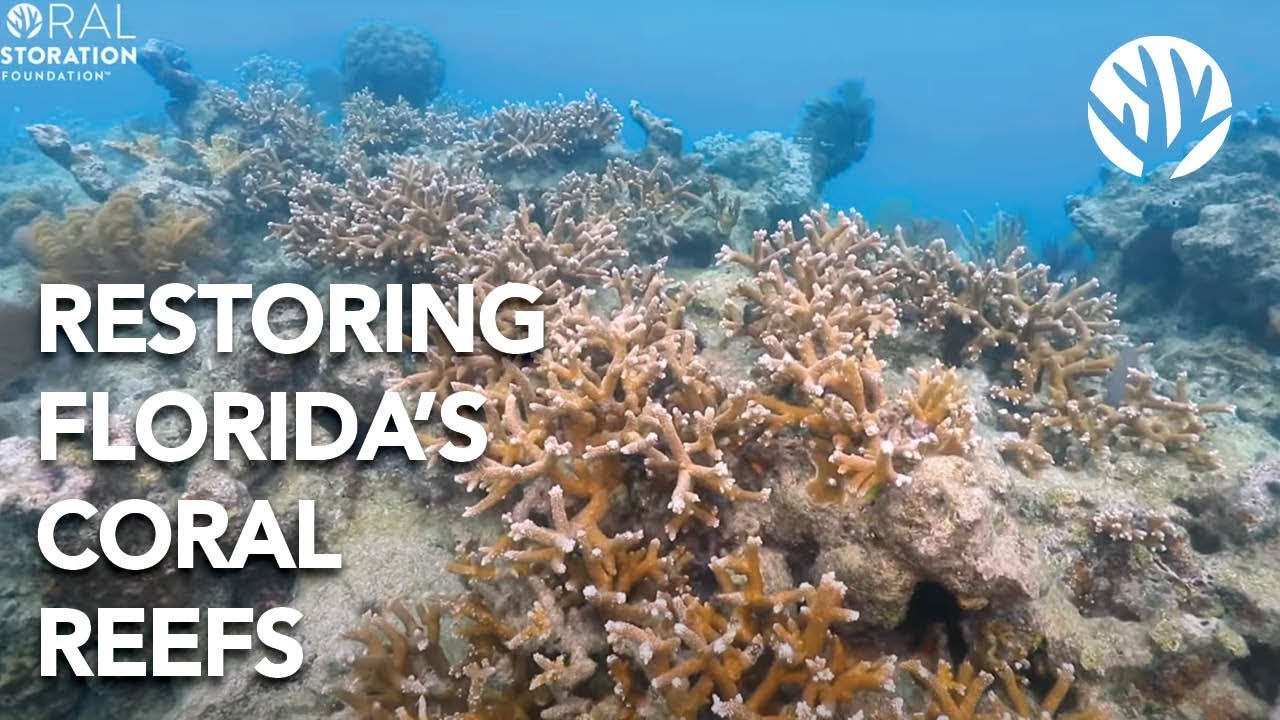
Introduction to Coral Restoration Foundation™
Coral Restoration Foundation (Official)
The world's largest coral reef restoration organization explains their coral tree nursery technology and the science of growing heat-resilient corals.
Watch on YouTube →Supporting Evidence (6 more)
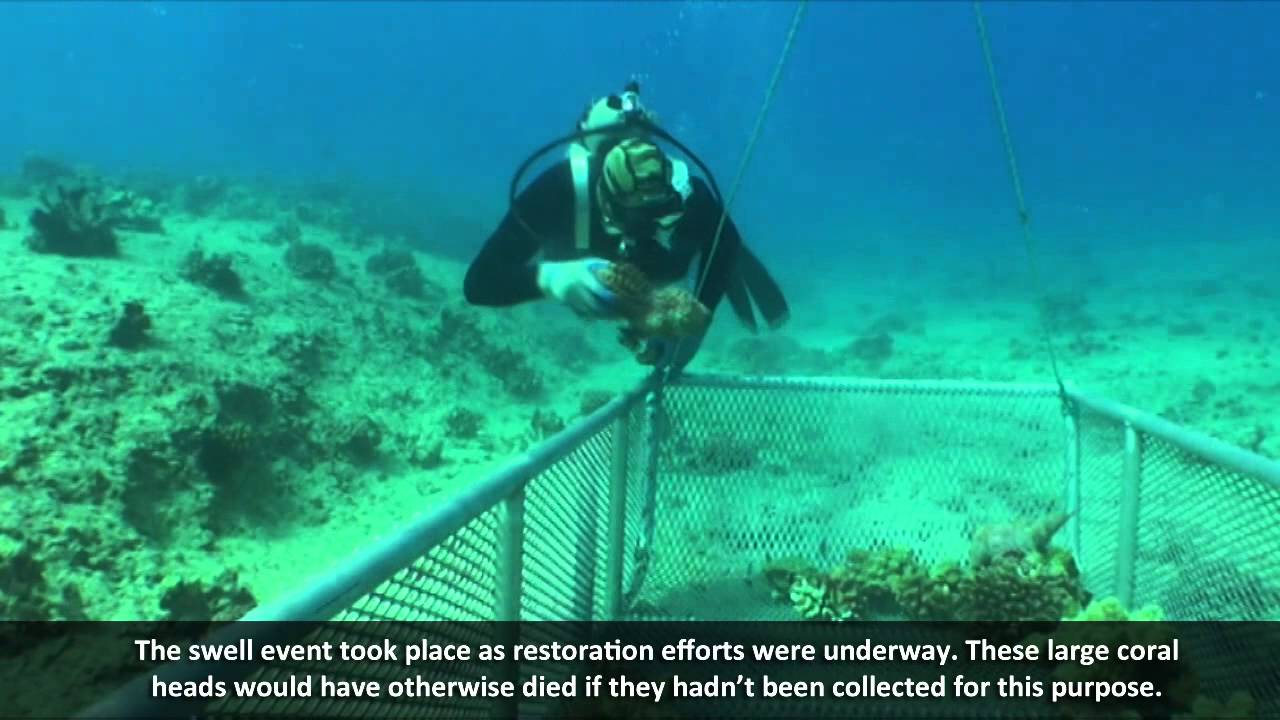
How to Restore a Damaged Coral Reef
NOAA's step-by-step guide to coral reef restoration — from the US government agency responsible for protecting America's reefs.
Watch on YouTube →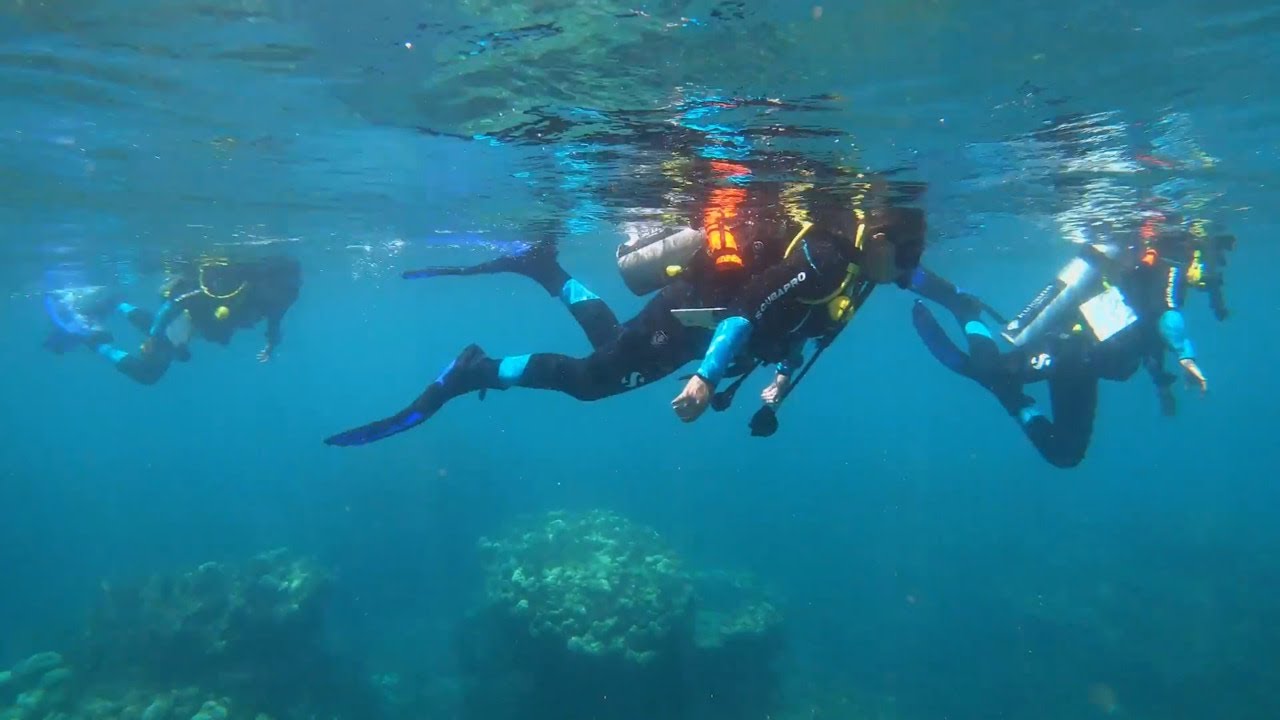
Local Communities Restore Hawaii Coral Reefs
Real community-led reef restoration in Hawaii — local people taking action to rebuild the reefs they depend on.
Watch on YouTube →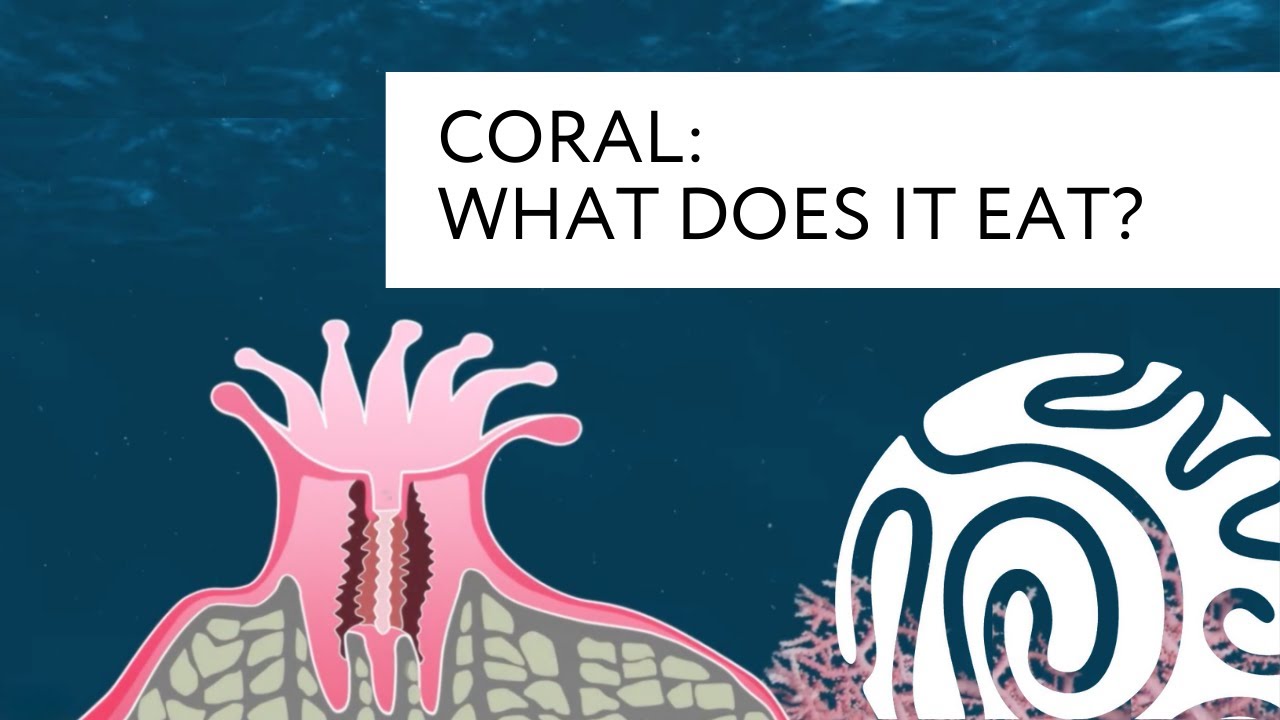
Coral: What Does it Eat?
Explains the coral-zooxanthellae symbiosis — how coral farms algae inside its cells for energy, and what breaks this partnership.
Watch on YouTube →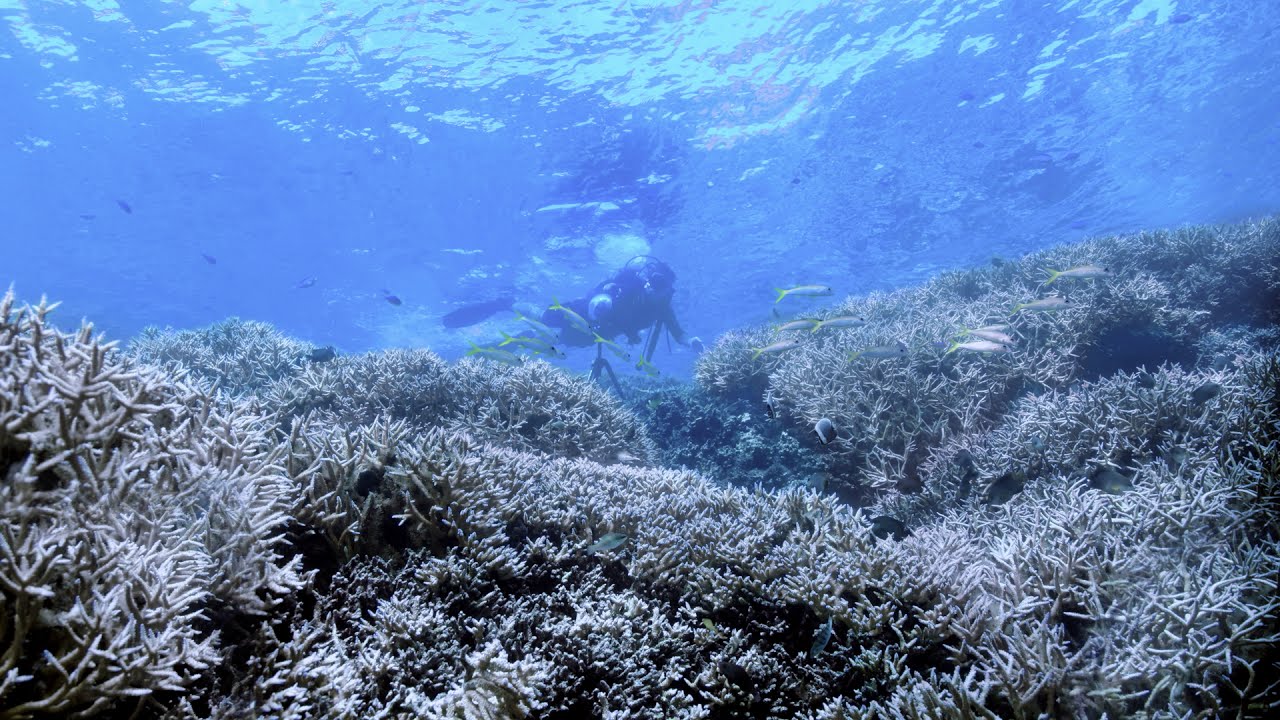
Chasing Coral Documents Destruction of Coral Reefs
The Emmy-winning documentary team behind Chasing Coral explains what they witnessed — time-lapse footage of coral bleaching that changed how the world sees reef loss.
Watch on YouTube →
Can Surfing Survive Climate Change?
PBS explores how warming oceans threaten coral reef ecosystems that surfers and marine life depend on.
Watch on YouTube →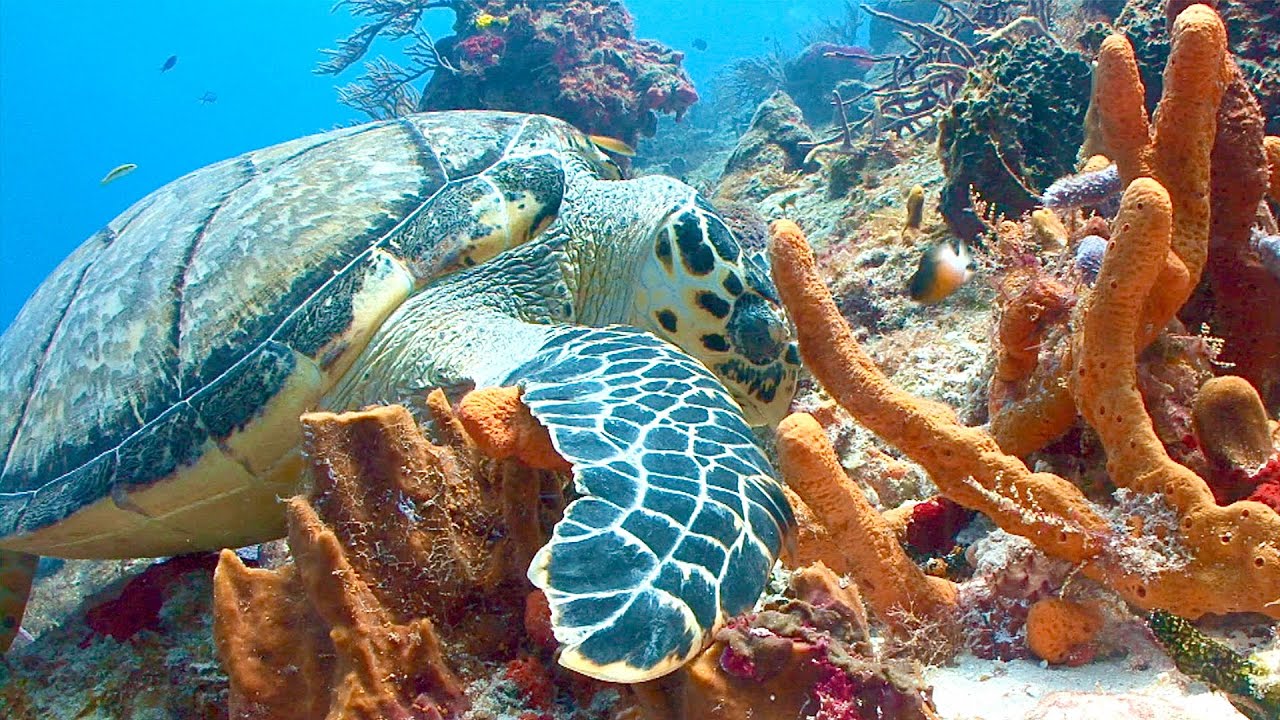
Meet The Climate-Resistant Super Coral
BBC documents research into heat-resistant coral strains that could help reefs survive climate change.
Watch on YouTube →Frequently Asked Questions
- Why do coral reefs bleach?
- Coral bleaching occurs when ocean temperatures rise 1-2°C above the normal summer maximum. The heat stress causes corals to expel their zooxanthellae — the photosynthetic algae living inside their cells that provide 90% of their energy. Without these algae, the coral turns white and begins to starve.
- Can coral reefs recover from bleaching?
- Yes, if temperatures return to normal within weeks. Corals can reabsorb zooxanthellae and recover. However, mass bleaching events now recur every 6-10 years — faster than the 15-25 years corals need for full recovery. Repeated bleaching without recovery time leads to permanent reef death.
- How does sunscreen damage coral reefs?
- Oxybenzone and octinoxate — common sunscreen chemicals — trigger coral bleaching even at very low concentrations. Hawaii and Palau have banned these ingredients. Mineral-based sunscreens using non-nano zinc oxide are reef-safe alternatives.
- What is the coral-zooxanthellae symbiosis?
- Zooxanthellae (Symbiodinium) are microscopic algae that live inside coral tissue. The coral provides shelter, CO2, and nutrients; the algae provide up to 90% of the coral's energy through photosynthesis. This partnership built every reef on Earth and has existed for over 200 million years.
- How much of the world's coral has been lost?
- The Global Coral Reef Monitoring Network estimates 14% of coral cover was lost between 2009-2018 alone. Total loss since the 1950s is approximately 50%. The fourth global mass bleaching event in 2024 was the worst in recorded history, affecting more reef area than any previous event.
- Can scientists grow new coral reefs?
- Yes. Coral gardening — growing coral fragments on underwater 'trees' then transplanting them to damaged reefs — is proven to work. The Coral Restoration Foundation has planted over 200,000 corals. Scientists can also breed heat-tolerant strains that survive 3-5°C above normal temperatures.
- Why are coral reefs called the rainforest of the sea?
- Coral reefs cover less than 0.1% of the ocean floor but support approximately 25% of all known marine species — a concentration of biodiversity comparable to tropical rainforests. A single reef can host more fish species than the entire North Sea. They are the most biodiverse marine ecosystems on Earth.
- What is ocean acidification and how does it affect corals?
- Ocean acidification occurs when seawater absorbs CO2, forming carbonic acid and reducing carbonate ion availability. Corals need carbonate ions to build calcium carbonate skeletons. As pH drops, calcification becomes energetically expensive. By 2050, most reef waters will have aragonite saturation below optimal levels, slowing coral growth and weakening reef structures.
- How do scientists create heat-tolerant corals?
- Scientists use 'assisted evolution' — selective breeding of naturally heat-tolerant corals identified after bleaching events. Crossbreeding between populations introduces genetic diversity while selecting for thermal tolerance. Offspring inherit heat resistance 3-5°C above baseline. Researchers are also exploring CRISPR gene editing to accelerate adaptation beyond natural rates.
- What happens to coral at the cellular level during bleaching?
- Heat stress damages Photosystem II in zooxanthellae, disrupting photosynthesis and causing reactive oxygen species (ROS) buildup. These molecules damage cellular components. The coral detects this distress and expels the algae—a 'cut your losses' response. Without photosynthates, the coral enters negative energy balance, catabolizing tissue reserves to survive.
Research Sources
13 peer-reviewed papers + 1 scientific background source
View all 14 citations
Spatial and temporal patterns of mass bleaching of corals in the Anthropocene
Science, 2018
Hughes et al. documented that mass bleaching events have increased fivefold since 1980, with the interval between events now too short for full recovery — corals are being hit before they heal
Global warming transforms coral reef assemblages
Nature, 2018
Showed that heat stress from the 2016 mass bleaching radically transformed coral assemblages on the Great Barrier Reef — a fundamental shift in ecosystem structure, not just temporary bleaching
The coral core microbiome identifies rare bacterial taxa as ubiquitous endosymbionts
ISME Journal, 2015
Identified the core microbial community within coral tissue — not just zooxanthellae but hundreds of bacterial species essential for coral nutrition, disease resistance, and calcification
Ocean acidification causes bleaching and productivity loss in coral reef builders
PNAS, 2017
Demonstrated that ocean acidification directly reduces coral calcification rates by 30-50%, weakening reef structures and making them more vulnerable to storms and erosion
Large-scale coral reef restoration could be achieved by 2030
Nature, 2021
Reviewed coral restoration technologies and concluded that scaling up current methods (coral gardening, assisted gene flow) could restore significant reef area by 2030 if adequately funded
Coral reefs benefit 1 billion people worldwide
Nature Communications, 2021
Quantified that coral reefs provide $375 billion annually in goods and services — coastal protection, fisheries, tourism — benefiting approximately 1 billion people directly
Assisted gene flow and selective breeding for heat-tolerant corals
Current Biology, 2022
Demonstrated that selective breeding of heat-tolerant coral strains can increase thermal tolerance by 3-5°C — enough to survive predicted warming through mid-century
The extraordinary diversity of coral reef fishes
Nature, 2019
Coral reefs cover less than 0.1% of the ocean floor but harbor over 25% of all known marine fish species — the highest concentration of biodiversity in the ocean
Fourth global coral bleaching event: 2024 record-breaking ocean temperatures
Science, 2024
The fourth global mass bleaching event in 2024 affected more reef area than any previous event, driven by record ocean temperatures exceeding 1.5°C above pre-industrial baselines
Cold-water coral ecosystems: the deep-sea biodiversity hotspots
Marine Ecology Progress Series, 2020
Deep-sea cold-water corals form extensive reefs at 200-2000m depth without zooxanthellae, supporting unique biodiversity hotspots that most people don't know exist
Nutrient enrichment disrupts coral-Symbiodinium symbiosis
Global Change Biology, 2020
Agricultural nutrient runoff disrupts the coral-Symbiodinium symbiosis by promoting algal overgrowth that smothers corals — land-based pollution is as dangerous as warming
The coral microbiome and its role in health and disease
Nature Reviews Microbiology, 2023
Comprehensive review showing corals are not just animals + algae but holobionts hosting hundreds of microbial species that collectively determine reef health and resilience
Coral spawning events and recruitment under warming oceans
Ecology Letters, 2021
Mass spawning events are becoming disrupted by warming — coral larvae survival drops by 50% at just 1°C above historical temperatures, threatening the next generation of reefs
Coral Reef Status of the World: 2024
Global Coral Reef Monitoring Network / ICRI, 2024
The most comprehensive global assessment: 14% of coral cover lost between 2009-2018, with recovery possible only if warming stays below 1.5°C
Related Research in This Series
Continue Reading
More from Planetary Health

Ocean Acidification: Impact on Shellfish and Marine Life
Ocean acidification disrupts shellfish physiology by lowering seawater pH, which impairs calcification processes in species like oysters and clams, leading to weakened shells and reduced fisheries yields. In juvenile...

Shark Conservation: Overfishing Threats and Ecosystem Role
Shark conservation is critical as overfishing and finning threaten apex predators that regulate marine ecosystems. Learn evidence-based protection strategies and their ocean-wide impact.

Coral Bleaching and Mass Extinction: The Ocean Crisis
Coral bleaching is a stress response in reef-building corals caused by sea temperatures sustained at 1-2°C above seasonal averages, often exacerbated by El Nino events. This stress leads to the production of excess...
Share this article

Coral Reef Symbiosis: The Rainforest of the Sea
Coral reefs cover 0.1% of the ocean but support 25% of all marine life. We've lost 50% since 1950. Here are 14 peer-reviewed facts on coral-zooxanthellae symbiosis, mass bleaching, and the restoration science racing to save the rainforest of the sea.