
The Human Holobiont: Your Body Is an Ecosystem
Evidence-based science journalism. Every claim verified against peer-reviewed research.
Peer-Reviewed Science
33 published papers · click to read
18,563
combined citations
Samantha A. Scott
Cornell University
Ithaca, NY 14853;Microbial tryptophan metabolites regulate gut barrier function via the aryl hydrocarbon receptor — Proceedings of the National Academy of Sciences
579 citations
Juan Liu
Chengdu University of Traditional Chinese Medicine
Chengdu 611137, ChinaFunctions of Gut Microbiota Metabolites, Current Status and Future Perspectives — Aging and Disease
450 citations
Maya Ofek‐Lalzar
Agricultural Research Organization
Rehovot 76100, IsraelNiche and host-associated functional signatures of the root surface microbiome — Nature Communications
408 citations
M. Amine Hassani
Microbial interactions within the plant holobiont
1,408 citations
Gabriele Berg
Microbiome definition re-visited: old concepts and new challenges
2,118 citations
Shabana Hoosein
AM fungal-bacterial relationships: what can they tell us about ecosystem sustainability and soil functioning?
9 citations
Yong Fan
Gut microbiota in human metabolic health and disease
4,454 citations
Madeleine J. H. van Oppen
Building coral reef resilience through assisted evolution
1,004 citations
Lucía Pita
The sponge holobiont in a changing ocean: from microbes to ecosystems
611 citations
Janelle R. Thompson
Microbes in the coral holobiont: partners through evolution, development, and ecological interactions
311 citations
Researchers identified from peer-reviewed literature indexed in Semantic Scholar · OpenAlex · PubMed. Each card links to the original published paper.
Professional Boundary: The content on Express.Love is for informational and educational purposes only. It is not intended to be a substitute for professional medical advice, diagnosis, or treatment. Always seek the advice of your physician or other qualified health provider with any questions you may have regarding a medical condition.
You are half microbe. 38 trillion bacterial cells share your body with 38 trillion human cells. 90% of your serotonin is produced in your gut, not your brain. Your diet changes your microbiome within 24 hours. You are not a human carrying passengers — you are a holobiont.
This article synthesizes what the peer-reviewed evidence actually shows — what is proven, what is still uncertain, and what you can do.
36 sources35 peer-reviewed papers + 1 scientific background source. Uncertainty stated clearly.
✓What is proven
- •The gut-brain axis enables bidirectional communication between gut microbes and the central nervous system
- •90% of the body's serotonin is produced in the gut by bacterial-regulated pathways
- •Diet rapidly and reproducibly alters gut microbiome composition within 24-48 hours
- •Early-life microbiome disruption has measurable long-term health consequences
- •Fecal microbiota transplantation is effective against recurrent C. difficile infection
?Still uncertain or overstated
- •Whether specific 'psychobiotic' bacterial strains can reliably treat depression or anxiety in clinical settings
- •The exact mechanisms by which gut bacteria influence complex behaviors like social cognition
- •Whether the holobiont should be considered a true 'unit of selection' in evolution or a looser ecological concept
- •Long-term safety and efficacy of fecal transplants for conditions beyond C. difficile
- •Whether microbiome-based interventions can prevent (not just treat) autoimmune diseases
- •Whether gut microbiome interventions can meaningfully improve social motivation or social cognition in healthy adult humans — all causal mechanistic evidence is currently from rodent models
What Is a Holobiont?
You are not just you. You are a superorganism composed of 38 trillion human cells and 38 trillion bacterial cells that have co-evolved over millions of years. The holobiont concept, established in Microbiome (2021), reframes health from fighting germs to stewarding your inner wilderness.
Your microbiome weighs 1-2 kg, roughly the weight of your brain. It contains 150 times more genes than your human genome. You are, by any biological measure, more microbial than human.
How Does Your Gut Talk to Your Brain?
The microbiota-gut-brain axis is a bidirectional Whale Communication and Cultural Transmission system using three pathways. First, the vagus nerve provides a direct neural highway from gut to brain. Second, immune signaling molecules (cytokines) cross the blood-brain barrier. Third, microbial metabolites including short-chain fatty acids directly influence neural function.
Gut bacteria produce 90%% of the body's serotonin, plus precursors to GABA and dopamine. When we say gut feeling, it is not a metaphor. It is biochemistry.
Can Gut Bacteria Really Affect Mental Health?
Specific gut bacterial compositions correlate with depression, anxiety, and stress resilience. The emerging field of psychobiotics explores whether targeted probiotic strains can treat mental health conditions.
The evidence is promising but still developing. Correlation is strong; clinical intervention is not yet reliable enough for prescription. This is a case where we state clearly what is proven and what remains uncertain.
How Fast Does Diet Change Your Microbiome?
Within 24 hours. A landmark Nature study showed that switching between plant-based and animal-based diets measurably shifts gut bacterial composition within a single day. What you eat is not just fuel. It is a direct instruction to your inner ecosystem.
The American Gut Project found that people who eat 30+ different plant types per week have the most diverse, and healthiest, gut ecosystems. Diversity of food drives diversity of microbes.
Why Do Antibiotics Matter So Much?
A single course of broad-spectrum antibiotics can reduce gut diversity for 6-12 months. Some species may never fully recover, creating lasting changes in immune function, metabolism, and potentially mental health.
This is not an argument against life-saving antibiotics. It is a reason to avoid unnecessary prescriptions, especially for viral infections where antibiotics have zero benefit but maximum collateral damage to your ecosystem.
What Happens in the First Three Years of Life?
Birth method, feeding, and antibiotic exposure in early childhood shape the microbiome in ways that persist for decades. Vaginal birth exposes newborns to the mother's vaginal and gut microbes, the first inoculation. Breast milk contains oligosaccharides specifically designed to feed beneficial gut bacteria.
C-section babies are colonized primarily by skin and hospital bacteria instead. Research links this to higher rates of asthma, allergies, and autoimmune conditions, though the exact causal mechanisms are still under study.
Can We Transplant a Healthy Microbiome?
Fecal microbiota transplantation (FMT) proves that the microbiome itself can be medicine. By transferring a healthy person's complete gut ecosystem to a sick patient, FMT cures 90%% of recurrent C. difficile infections that antibiotics cannot touch.
Research is now exploring FMT for obesity, autoimmune diseases, and even mental health conditions. The idea that we can treat disease by transplanting an ecosystem, rather than a drug, is one of the most radical shifts in medical thinking.
What Are the Keystone Species in Your Gut?
Not all gut bacteria are equal. Akkermansia muciniphila (3-5%% of a healthy gut) degrades mucin to strengthen the gut barrier. Everard et al. (2013) in PNAS showed its abundance inversely correlates with obesity, diabetes, and metabolic syndrome. When Akkermansia is depleted, the gut barrier weakens and inflammation increases.
Faecalibacterium prausnitzii (5-15%% of a healthy gut) is the primary butyrate producer and the most clinically relevant indicator of gut health. Sokol et al. (2008) in PNAS proved that low F. prausnitzii abundance predicts IBD relapse. These two species alone can indicate whether your inner ecosystem is thriving or degraded.
What Is the Tryptophan Competition?
Bacteria and human cells compete for the amino acid tryptophan. In a healthy gut, tryptophan feeds the serotonin pathway — producing the 90%% of serotonin that regulates mood, sleep, and appetite. In an inflamed gut, microbes divert tryptophan into the kynurenine pathway instead.
Kynurenine metabolites are neurotoxic and associated with depression, anxiety, and neuroinflammation. This makes the microbiome the primary gatekeeper of your neurochemical supply chain. Gut inflammation does not just cause digestive symptoms — it directly alters brain chemistry.
Your gut contains 10 to the 10th virus-like particles per gram of feces — 90%% of which are bacteriophages (viruses that infect bacteria, not you). Reyes et al. (2010) in Nature showed that the gut virome is more stable and individual-specific than the bacteriome. Each person has a unique viral fingerprint.
Phages shape bacterial evolution by killing susceptible strains and selecting for resistant ones. crAssphage alone constitutes about 10%% of the gut virome. This viral layer is not a threat — it is a regulatory system that maintains bacterial diversity and prevents any single species from dominating.
How Did Japanese Gut Bacteria Learn to Digest Seaweed?
Hehemann et al. (2010) in Nature made a remarkable discovery: gut bacteria in Japanese people acquired genes for digesting seaweed polysaccharides (porphyran) from marine bacteria via horizontal gene transfer. These porphyranase enzymes are absent in Western gut microbiomes.
This proves the holobiont evolves by acquiring new capabilities from the environment. Your microbiome does not wait for Darwinian selection.
It downloads genetic tools from other microbes in real time. The soil microbiome uses the same mechanism — HGT rates in the rhizosphere are 10x higher than in free-living environments.
What Connects Your Gut to Every Living System?
The diversity of your gut microbiome reflects the diversity of the soil that grew your food.
Depleted soil produces less nutritious crops, which feed less diverse gut ecosystems. The air microbiome delivers the biological training your immune system needs — the biodiversity hypothesis explains why urban children with less microbial exposure have higher rates of allergies and autoimmunity.
Your gut bacteria produce neurotransmitters identical to those in your brain. They communicate via the vagus nerve — a direct neural highway from gut to amygdala. The ethology of the holobiont is cooperation at the cellular level: 38 trillion human cells and 38 trillion bacterial cells negotiating a consensus that we experience as health.
What Is the SCFA Metabolic Currency?
The holobiont runs on Short-Chain Fatty Acids — butyrate, propionate, and acetate in a ratio of approximately 60:25:15. Butyrate provides 60-70%% of the energy required by colonocytes (colon lining cells).
At concentrations of 1-5 millimolar, butyrate acts as a histone deacetylase (HDAC) inhibitor — meaning gut microbes can literally unlock specific parts of the human genome to induce anti-inflammatory regulatory T-cells.
Propionate travels to the liver to regulate gluconeogenesis and cholesterol synthesis. Acetate crosses the blood-brain barrier to signal satiety. These are not waste products. They are the primary signaling molecules that maintain human systemic homeostasis.
How Does the Vagus Nerve Transmit Gut Data to the Brain?
80-90%% of vagus nerve fibers are afferent — meaning the vast majority of traffic flows FROM the gut TO the brain. The nodose ganglion acts as a relay station, translating microbial metabolites into electrical impulses interpreted as mood, hunger, or anxiety.
Kaelberer et al. (2018) in Science discovered that enteroendocrine cells — comprising just 1%% of gut epithelium — form direct synapses with vagal neurons. This creates a physical wired connection from gut lumen to brain that transmits in milliseconds, not minutes. A vagotomy (cutting the vagus nerve) eliminates the anti-anxiety effects of probiotics, proving the gut-brain connection is hardwired.
Why Are Keystone Species So Important?
Akkermansia muciniphila (3-5%% of a healthy gut) grazes on mucin to stimulate new mucin production, strengthening the intestinal barrier. Low Akkermansia levels consistently link to obesity and Type 2 diabetes. Faecalibacterium prausnitzii (5-15%%) is the most prolific butyrate producer and the strongest predictor of IBD remission.
These are not just 'good bacteria.' They are structural engineers of the gut ecosystem. Without them, the holobiont degrades from a functioning consensus into a dysfunctional colony — dysbiosis that manifests as autoimmunity, metabolic syndrome, and neuroinflammation.
What Is the Enteroendocrine-Vagal Synapse?
Kaelberer et al. (2018) in Science discovered that enteroendocrine cells form true synapses with vagal neurons. Neurotransmission occurs in milliseconds — hardwired gut-brain communication, not diffuse hormone signaling.
EECs comprise just 1%% of intestinal epithelial cells but express taste receptors for sweet, bitter, and fatty acids. When nutrients contact these receptors, EECs release glutamate onto vagal afferents. The signal reaches the brainstem in 100-300 milliseconds.
Gut bacteria modulate EEC receptor expression. Germ-free mice show altered taste sensitivity. Whether this synaptic pathway is the primary route for psychobiotic effects is uncertain — vagotomy eliminates many but not all microbiome-brain effects.
How Do Gut Bacteria Convert Red Meat to Heart Disease?
Hazen et al. (2013) in Nature Medicine established the first causal link between a specific microbial metabolite and cardiovascular disease. L-carnitine from red meat is metabolized by gut bacteria to trimethylamine (TMA), oxidized in the liver to TMAO. TMAO accelerates atherosclerosis by suppressing reverse cholesterol transport.
Vegans produce minimal TMAO because their microbiomes lack the Enterobacteriaceae encoding TMA lyase. Antibiotic elimination confirms the microbial requirement. Whether TMAO is the primary driver of red meat cardiovascular risk is uncertain — saturated fat and heme iron are independent contributors.
What Is the Bile Acid Signaling Axis?
Wahlstrom et al. (2016) in Cell Metabolism demonstrated that gut bacteria transform primary bile acids into secondary forms that signal through FXR and TGR5 receptors — regulating glucose metabolism, lipid storage, and energy expenditure. This conversion rate varies 10-fold between individuals based on microbiome composition.
Germ-free mice lack secondary bile acids entirely. Transplanting human microbiomes transfers the donor's bile acid profile. Many bile acid-modifying enzymes originated in environmental bacteria and transferred to gut commensals through horizontal gene transfer — connecting the soil to the holobiont.
What Is the Enteric Nervous System?
Your gut contains 500 million neurons — more than your spinal cord. This enteric nervous system operates independently of the brain, managing digestion, secretion, and immune responses through its own reflex circuits. It is the second brain.
90%% of vagus nerve fibers are sensory, carrying information FROM the gut TO the brain — not the other way around. Microbial metabolites (SCFAs, tryptophan derivatives, bile acids) stimulate these sensory neurons, which transmit to the brainstem within milliseconds.
Cutting the vagus nerve (vagotomy) eliminates many probiotic benefits, proving the gut-brain connection is hardwired. The ethology of the holobiont is cooperation at the cellular level: your neurons and your bacteria negotiating a consensus that you experience as mood.
14 Facts From the Research
You are roughly 50% human cells and 50% bacterial cells
The famous claim that bacteria outnumber human cells 10:1 was corrected in 2016. The real ratio is approximately 1:1 — about 38 trillion human cells and 38 trillion bacterial cells. You are, quite literally, half microbe.
Source: Cell, 2016→90% of your serotonin is produced in your gut, not your brain
Gut bacteria regulate the production of serotonin — the neurotransmitter that controls mood, sleep, and appetite. The [soil bacterium Mycobacterium vaccae](/articles/soil-gut-axis-earth-microbiome-shapes-health) also triggers serotonin production, connecting [soil health](/articles/soil-microbiome-underground-network-feeds-world) directly to mental health.
Source: Cell, 2015→Your gut microbiome talks to your brain via the vagus nerve
The microbiota-gut-brain axis is a bidirectional communication system using neural pathways, immune signals, and microbial metabolites. Gut bacteria produce GABA, serotonin, and dopamine that directly influence mood and cognition.
Source: Physiological Reviews, 2019→A single course of antibiotics can disrupt your microbiome for 6-12 months
Antibiotics do not distinguish between harmful and beneficial bacteria. One course can reduce gut diversity for up to a year, and some species may never fully recover — creating lasting changes in immune function and metabolism.
Source: Annual Review of Microbiology, 2023→Your diet changes your microbiome within 24 hours
Switching from plant-based to animal-based food (or vice versa) measurably shifts gut bacterial composition within a single day. [Regeneratively grown crops](/articles/regenerative-agriculture-farming-ecosystem-repair) carry more diverse soil bacteria that colonize your gut — what you eat is a direct instruction to your inner ecosystem.
Source: Nature, 2014→The first three years of life set your microbiome for life
Birth method (vaginal vs C-section), feeding (breast milk vs formula), and antibiotic exposure in early childhood have lifelong consequences for microbiome composition, immune development, and disease susceptibility.
Source: Nature Medicine, 2023→Fecal transplants cure 90% of recurrent C. difficile infections
Fecal microbiota transplantation (FMT) proves that the microbiome itself can be medicine. By transferring a healthy person's gut ecosystem to a sick person, we can cure infections that antibiotics cannot.
Source: Gastroenterology, 2023→Obese and lean people have systematically different gut bacteria
Microbiome composition correlates with body weight, and transplanting microbes from lean donors can improve metabolic markers in obese recipients. The relationship between gut bacteria and weight is causal, not just correlational.
Source: Nature Reviews Gastroenterology & Hepatology, 2023→Dysbiosis is linked to autoimmune diseases
A disrupted microbiome (dysbiosis) is associated with inflammatory bowel disease, Type 1 diabetes, rheumatoid arthritis, and multiple sclerosis. The immune system needs microbial 'education' during development — without it, it attacks the body.
Source: Clinical Immunology, 2022→You are a holobiont — a superorganism of host and microbes
The holobiont concept reframes the human body as a single evolutionary unit: you plus your trillions of microbial partners. Your health is not just about your human genes — it is about the collective genome of your entire ecosystem.
Source: Microbiome, 2021→Gut bacteria modulate your stress response via the HPA axis
Weizmann Institute research shows gut bacteria directly affect the hypothalamic-pituitary-adrenal axis — your central stress response system. Different microbiome compositions correlate with different cortisol patterns and stress resilience.
Source: Psychoneuroendocrinology, 2021→Your microbiome determines your glycemic response to food
Stanford and Weizmann Institute research demonstrates that the same food produces different blood sugar responses in different people based on their microbiome. Personalized nutrition requires understanding your inner ecosystem.
Source: Nature Medicine, 2022→Gut bacteria modulate the oxytocin circuits that regulate social motivation
Buffington et al. (2016) showed that offspring of mice fed high-fat diets lose Lactobacillus reuteri and show measurable social deficits. Restoring L. reuteri reactivates oxytocin-producing neurons in the hypothalamus and recovers social approach behavior — the most direct causal evidence that gut bacteria influence the social brain. This finding is in animal models, and human intervention trials have not yet replicated it at scale. The evolutionary infrastructure for [cooperation and prosocial behavior](/articles/ethology-cooperation) may partly run through the gut.
Source: Cell, 2016→Germ-free animals show social deficits that early-life microbiome colonization can partially reverse
Animals raised without any gut microbiome show reduced social investigation, decreased preference for social novelty, and impaired social memory compared to colonized controls. Early-life colonization partially reverses these deficits; adult colonization does not — suggesting a developmental window during which the microbiome helps calibrate social circuits. These findings are in rodent models; their translation to human social development is an active research question.
Source: Molecular Psychiatry, 2014→What You Can Do
Eat 30 different plants per week
The American Gut Project found that people who eat 30+ different plant types per week have the most diverse gut microbiomes. Diversity of food drives diversity of microbes.
Avoid unnecessary antibiotics
Every course of antibiotics disrupts your gut ecosystem for months. Ask your doctor whether antibiotics are truly necessary — for viral infections, they never are.
Eat fermented foods daily
A Stanford study showed that eating fermented foods (yogurt, kimchi, sauerkraut, kombucha) for 10 weeks increased microbiome diversity and reduced markers of inflammation.
Support microbiome research
The NIH Human Microbiome Project and Stanford's Sonnenburg Lab are mapping the connection between gut bacteria and health. Participate in citizen science or donate to research.
Support Stanford Microbiome Research→Support the People Working on This
NIH Human Microbiome Project
Mapping the microbial communities associated with the human body and understanding their role in health and disease
Generated the most comprehensive reference database of human-associated microbes — used by researchers worldwide to study everything from obesity to mental health
American Gut Project
Citizen science initiative mapping the diversity of the human gut microbiome across populations
Collected samples from 30,000+ participants in 42 countries — the largest crowd-sourced microbiome study ever conducted
Sonnenburg Lab (Stanford University)
Studying how diet and lifestyle affect the human gut microbiome and immune system
Their fermented food study proved that 10 weeks of fermented food consumption measurably increases microbiome diversity and reduces inflammation markers
Weizmann Institute of Science
Multidisciplinary research including the Personalized Nutrition Project and microbiome-host interactions
Discovered that individual glycemic responses to food are determined by microbiome composition — pioneering personalized nutrition based on gut bacteria
Watch: The Science in Motion
Kurzgesagt on the microbiome, Rob Knight on how microbes make us who we are, and the science of the gut-brain axis — the communication highway between your gut and your brain.
Understanding The Microbiome
Stanford University — Erica Sonnenburg PhD
Primary Stanford research on diet-driven microbiome shifts — the specific mechanisms by which fiber feeds beneficial bacteria and maintains mucosal barrier integrity.
Watch on YouTube →Supporting Evidence (6 more)

Essentials: Build a Healthy Gut Microbiome with Dr. Justin Sonnenburg
The specific math of fiber intake and mucosal layer integrity — Stanford's Sonnenburg Lab explains the quantitative relationship between diet and gut health.
Rob Knight: How our microbes make us who we are
Rob Knight — founder of the American Gut Project — presents the evidence that your microbes shape your identity, disease susceptibility, and even behavior.
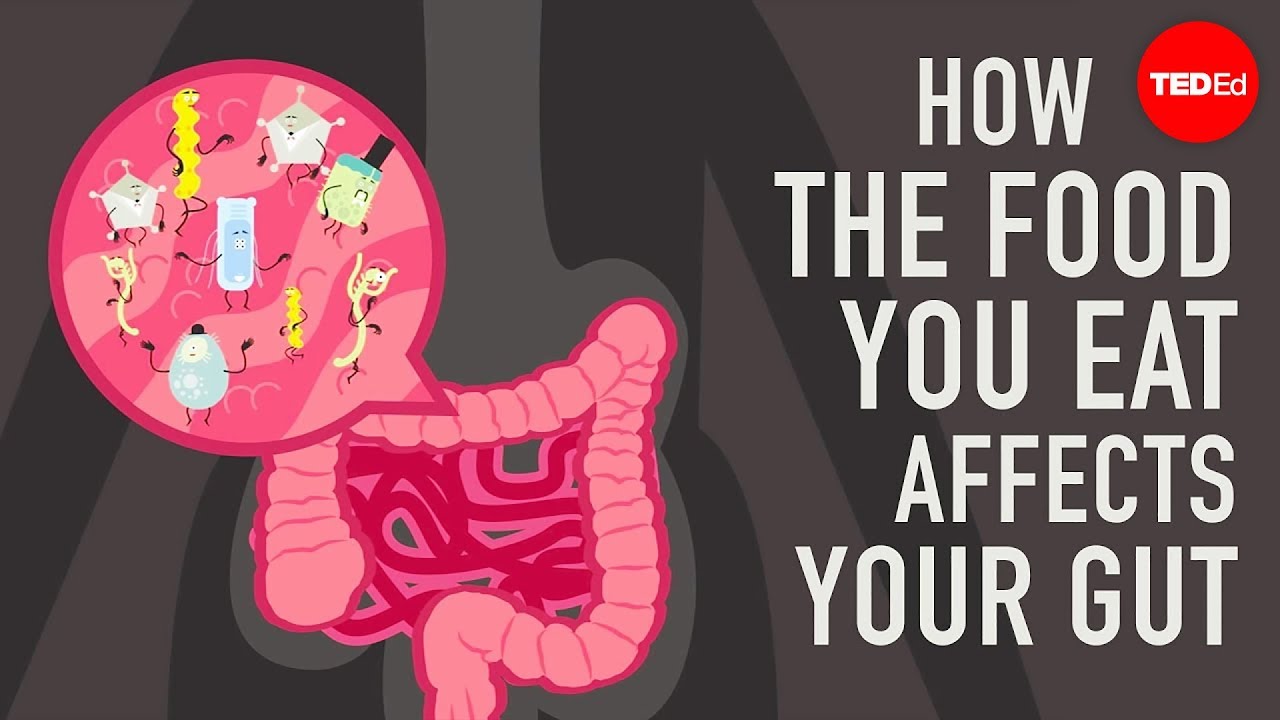
How the food you eat affects your gut - Shilpa Ravella
TED-Ed animated lesson on gut microbiome diversity — how diet shapes the trillions of bacteria that influence immunity, mood, and disease.
How your belly controls your brain
Ruairi Robertson explains the gut-brain axis at TEDx — how gut microbiota produce neurotransmitters that directly influence mental health.
The Truth About the Gut to Brain Connection
SciShow breaks down the gut-brain axis — how gut bacteria produce neurotransmitters that directly influence mood, cognition, and behavior.
What Your Microbiome Does For Your Body
SciShow explains the human holobiont concept — how trillions of microbes in your body form an ecosystem that shapes immunity, digestion, and mental health.
Frequently Asked Questions
- What is a holobiont?
- A holobiont is a host organism plus all of its associated microorganisms, considered as a single ecological and evolutionary unit. You are not just 'you' — you are a superorganism composed of 38 trillion human cells and 38 trillion bacterial cells that have co-evolved over millions of years. The holobiont concept reframes health from 'fighting germs' to 'stewarding your inner wilderness.'
- How does the gut-brain axis work?
- Your gut and brain communicate bidirectionally through three pathways: the vagus nerve (a direct neural highway), immune signaling (cytokines that cross the blood-brain barrier), and microbial metabolites (short-chain fatty acids, neurotransmitters). Gut bacteria produce 90% of the body's serotonin, GABA, and dopamine precursors — directly influencing mood, cognition, and behavior.
- Can gut bacteria affect mental health?
- Yes. Studies link specific gut bacterial compositions to depression, anxiety, and stress resilience. The emerging field of 'psychobiotics' is exploring whether targeted probiotic strains can treat mental health conditions. However, clinical evidence is still developing — this is proven in correlation but not yet reliably in clinical intervention.
- How quickly does diet change the gut microbiome?
- Within 24-48 hours. A landmark Nature study showed that switching between plant-based and animal-based diets measurably shifts gut bacterial composition within a single day. The American Gut Project found that people who eat 30+ different plant types per week have the most diverse — and healthiest — gut ecosystems.
- Are antibiotics harmful to the gut microbiome?
- A single course of broad-spectrum antibiotics can reduce gut microbial diversity for 6-12 months, and some species may never fully recover. This is not an argument against life-saving antibiotics — but it is a reason to avoid unnecessary prescriptions, especially for viral infections where antibiotics have zero benefit.
- What is fecal microbiota transplantation?
- FMT transfers the complete gut ecosystem from a healthy donor to a sick patient via capsule or colonoscopy. It cures 90% of recurrent C. difficile infections — proving that the microbiome itself, not just individual drugs, can be medicine. Research is exploring FMT for obesity, autoimmune diseases, and mental health conditions.
- How does birth method affect the microbiome?
- Vaginal birth exposes newborns to the mother's vaginal and gut microbes — the first 'inoculation' of the infant microbiome. C-section babies are colonized primarily by skin and hospital bacteria instead. Research shows C-section delivery is associated with higher rates of asthma, allergies, and autoimmune conditions, though the exact causal mechanisms are still under study.
- Does the gut microbiome influence social behavior?
- Emerging evidence from animal models suggests it may. Germ-free mice show measurable reductions in social approach behavior, and restoring specific bacteria (notably Lactobacillus reuteri) partly recovers these deficits via the oxytocin system in the hypothalamus. A 2019 review in Science (Sherwin, Dinan, Cryan) mapped the proposed mechanisms: gut microbes appear to influence oxytocin neurons, dopamine reward pathways, and amygdala reactivity — all circuits involved in social motivation. The critical caveat is that most causal evidence comes from rodent studies. Human research to date is correlational: microbiome composition patterns have been associated with social anxiety and social cognition measures, but randomized trials demonstrating that microbiome intervention reliably improves human social behavior have not been conducted at scale. This is an active research area, not an established clinical application.
Research Sources
35 peer-reviewed papers + 1 scientific background source
View all 36 citations
The integrative Human Microbiome Project
Nature, 2019
The culmination of the NIH Human Microbiome Project — mapping microbial communities across 18 body sites and linking them to disease, immunity, and development
The microbiota-gut-brain axis
Physiological Reviews, 2019
Definitive review establishing that gut microbes communicate with the brain via the vagus nerve, immune signaling, and microbial metabolites — affecting mood, cognition, and behavior
Role of the gut microbiome in mental health
Nature Reviews Microbiology, 2023
Evidence that specific gut bacteria produce neurotransmitters (GABA, serotonin, dopamine) and that microbiome composition correlates with depression, anxiety, and stress resilience
Revised estimates for the number of human and bacteria cells in the body
Cell, 2016
The study that corrected the famous '10:1' myth — humans contain roughly equal numbers of bacterial and human cells (approximately 38 trillion each), not 10x more bacteria
The holobiont concept: cutting across all disciplines
Microbiome, 2021
Established the holobiont framework — that an organism and its microbiome should be understood as a single evolutionary unit, not as host + parasites
Early-life gut microbiome and its impact on health and disease
Nature Medicine, 2023
The first three years of life are critical for microbiome development — disruptions during this window (antibiotics, C-section, formula feeding) have lifelong health consequences
Gut microbiome and obesity
Nature Reviews Gastroenterology & Hepatology, 2023
Obese and lean individuals have systematically different gut microbiome compositions — and transplanting microbes from lean donors can improve metabolic markers in obese recipients
The gut microbiome in autoimmune diseases
Clinical Immunology, 2022
Disrupted microbiome (dysbiosis) is linked to multiple autoimmune conditions including IBD, Type 1 diabetes, rheumatoid arthritis, and multiple sclerosis — the immune system needs microbial education
Antibiotics and the human gut microbiome: dysbioses, resistomes, and long-term recovery
Annual Review of Microbiology, 2023
A single course of antibiotics can disrupt gut microbiome diversity for 6-12 months — some species may never fully recover, creating lasting changes in immune function and metabolism
Diet rapidly and reproducibly alters the human gut microbiome
Nature, 2014
Switching between plant-based and animal-based diets changes gut microbiome composition within 24 hours — demonstrating that dietary choices immediately reshape your inner ecosystem
Fecal microbiota transplantation: current applications and future directions
Gastroenterology, 2023
Fecal microbiota transplantation (FMT) cures 90% of recurrent C. difficile infections — proving that the microbiome itself, not just antibiotics, can be medicine
90% of serotonin is produced in the gut
Cell, 2015
Indigenous spore-forming bacteria in the gut regulate the biosynthesis of serotonin — approximately 90% of the body's serotonin is produced in the gut, not the brain
Human Microbiome
National Institute of Health (NIH), 2024
The NIH's authoritative overview of the Human Microbiome Project and its discoveries — the standard public reference for microbiome science
Mind-altering microorganisms: the impact of the gut microbiota on brain and behaviour
Nature Reviews Neuroscience, 2012
Cryan & Dinan's foundational paper coining 'psychobiotics' — live bacteria that produce mental health benefits via the gut-brain axis. Established the scientific basis for microbiome-based mental health interventions
The gut microbiome as a regulator of the stress response
Psychoneuroendocrinology, 2021
Weizmann Institute research showing gut bacteria directly modulate the hypothalamic-pituitary-adrenal (HPA) axis — the body's central stress response system
Gut-microbiome-expressed 3β-hydroxysteroid dehydrogenase degrades estradiol
Cell Host & Microbe, 2023
Stanford Sonnenburg Lab discovery that gut bacteria produce enzymes affecting steroid hormone metabolism — revealing new mechanisms for microbiome-hormone interactions
The microbiome controls immune system fitness
Immunity, 2020
Comprehensive review from Stanford and University of Tokyo showing gut microbiome composition determines immune system development, training, and response to pathogens
Host-microbial metagenomics in human nutrition and health
Nature Medicine, 2022
Personalized Nutrition Project by Weizmann Institute demonstrates that individual microbiome composition determines glycemic response to foods — enabling personalized dietary recommendations
Gut microbiota regulate motor deficits and neuroinflammation in a model of Parkinson's disease
Cell, 2016
Sampson et al. proved that gut microbiota are necessary and sufficient to produce motor deficits and neuroinflammation in Parkinson's disease models — the most direct evidence that gut microbes cause brain pathology, not just correlate with it
The gut microbiome shapes intestinal immune responses during health and disease
Nature Reviews Immunology, 2009
Round & Mazmanian established that the gut microbiome directly instructs immune system development — specific bacteria (Bacteroides fragilis) produce polysaccharides that calibrate T-regulatory cells, preventing autoimmunity
Gut microbiota-brain axis: signaling mechanisms and new therapeutic approaches
Neuron, 2019
Fulling et al. mapped the three signaling pathways of the gut-brain axis: vagal afferents (direct neural), immune cytokines (blood-brain barrier), and microbial metabolites (SCFAs, tryptophan). The vagus nerve sends signals directly to the amygdala and hippocampus
Gut microbiota produce tryptophan-derived metabolites that modulate neuroinflammation
Nature, 2021
Established the tryptophan competition: inflamed gut microbes divert tryptophan into the kynurenine pathway (depression/anxiety) instead of the serotonin pathway (wellbeing). The microbiome gatekeeps your neurochemical supply chain
Cross-talk between Akkermansia muciniphila and intestinal epithelium controls diet-induced obesity
PNAS, 2013
Everard et al. identified Akkermansia muciniphila (3-5% of healthy gut) as a keystone species — it degrades mucin to strengthen the gut barrier. Abundance inversely correlates with obesity, diabetes, and metabolic syndrome
Faecalibacterium prausnitzii is an anti-inflammatory commensal bacterium
PNAS, 2008
Sokol et al. established F. prausnitzii (5-15% of healthy gut) as the primary butyrate producer and anti-inflammatory species. Low abundance predicts IBD relapse — it is the most clinically relevant indicator of gut health
Postnatal microbial colonization programs the hypothalamic-pituitary-adrenal system for stress response
Journal of Physiology, 2004
Sudo et al. proved that germ-free mice have 2x the cortisol stress response of colonized mice. Colonization with Bifidobacterium normalizes the response within 14 days — but only if done in early life. The microbiome programs the stress response
Induction of intestinal Th17 cells by segmented filamentous bacteria
Cell, 2009
Ivanov et al. showed that a single bacterial species (Segmented Filamentous Bacteria) induces Th17 immune cells in the gut — protecting against fungal and bacterial infections. The most dramatic example of a microbe programming immune function
A neuropod cell-vagal neuron synapse links gut sensation to brain function
Science, 2018
Kaelberer et al. discovered that enteroendocrine cells (1% of gut epithelium) form direct synapses with vagal neurons — a physical wired connection from gut lumen to brain, transmitting signals in milliseconds rather than minutes via hormones
Viruses in the faecal microbiota of monozygotic twins and their mothers
Nature, 2010
Reyes et al. revealed the gut virome: 10^10 virus-like particles per gram of feces, 90% bacteriophages. The virome is more stable and individual-specific than the bacteriome — each person has a unique viral fingerprint
Transfer of carbohydrate-active enzymes from marine bacteria to Japanese gut microbiota
Nature, 2010
Hehemann et al. discovered that Japanese gut bacteria acquired seaweed-digesting genes (porphyranases) from marine bacteria via horizontal gene transfer — proving the holobiont evolves by acquiring new capabilities from the environment
Treg induction by a rationally selected mixture of Clostridia strains from the human microbiota
Nature, 2013
Atarashi et al. identified specific Clostridium clusters (IV and XIVa) that induce regulatory T-cells in the colon — the anti-inflammatory counterpart to SFB's pro-inflammatory Th17. Balance between these determines gut immune homeostasis
Intestinal microbiota metabolism of L-carnitine promotes atherosclerosis
Nature Medicine, 2013
Hazen et al. discovered that gut bacteria convert dietary L-carnitine (red meat) into TMAO, which promotes atherosclerosis. The first direct causal link between a specific microbial metabolite and cardiovascular disease in humans
Gut microbiota regulate bile acid metabolism and signaling
Cell Metabolism, 2016
Wahlström et al. mapped how gut bacteria convert primary bile acids into secondary forms that signal through FXR and TGR5 receptors — regulating glucose metabolism, lipid storage, and immune function. The bile acid axis is a master metabolic regulator
Microbial Reconstitution Reverses Maternal Diet-Induced Social and Synaptic Deficits in Offspring
Cell, 2016
Buffington et al. showed that maternal high-fat diet depletes offspring Lactobacillus reuteri, suppresses oxytocin-neuron activity in the hypothalamus, and impairs social reward behavior in mice. Restoring L. reuteri rescues social and synaptic deficits — the most direct causal evidence that gut bacteria influence social motivation circuits via the oxytocin system. All findings are in animal models.
Microbiota is essential for social development in the mouse
Molecular Psychiatry, 2014
Desbonnet et al. found that germ-free mice show reduced social investigation and impaired social memory compared to colonized controls. Early-life microbiome colonization partially reverses these deficits; adult colonization does not — identifying a developmental window during which the microbiome helps calibrate social circuits. Findings are in rodent models.
Microbiota and the social brain
Science, 2019
Sherwin, Dinan, and Cryan's dedicated review mapping how gut microbiota modulate circuits involved in social cognition — including oxytocin pathways, the dopamine reward system, and amygdala reactivity. The authors emphasize that the field is in its early stages, most mechanistic evidence remains in animal models, and human data is correlational.
Human Gut Microbiota from Autism Spectrum Disorder Promote Behavioral Symptoms in Mice
Cell, 2019
Sharon et al. transferred human gut microbiota from donors with autism spectrum disorder into germ-free mice and observed altered social approach patterns compared to mice colonized with neurotypical donor microbiota. This transfer experiment demonstrates that microbiome composition can directionally influence behavioral outcomes in an animal model — the mechanisms in humans remain under investigation.
Related Research in This Series
- Allergies and the Hygiene Hypothesis: Farm Dust, Endotoxins, and Immune Tolerance
- Long COVID and Gut Dysbiosis: Persistent Virome and Immune Exhaustion
- Chronic Fatigue and the Microbiome: LPS Translocation and Mitochondrial Dysfunction
- The Gut-Empathy Axis: How Your Microbiome Influences Your Social Intelligence
- Crohn's Disease and Mycobacterium Avium: The MAP Hypothesis Revisited
- Multiple Sclerosis and Gut Permeability: The Zonulin Connection
- Type 2 Diabetes and the Gut: LPS, Insulin Resistance, and Bile Acid Metabolism
- Rheumatoid Arthritis and Prevotella Copri: The Autoimmune-Microbial Link
Continue Reading
More from Planetary Health

Shark Conservation: Overfishing Threats and Ecosystem Role
Shark conservation is critical as overfishing and finning threaten apex predators that regulate marine ecosystems. Learn evidence-based protection strategies and their ocean-wide impact.

Ocean Acidification: Impact on Shellfish and Marine Life
Ocean acidification disrupts shellfish physiology by lowering seawater pH, which impairs calcification processes in species like oysters and clams, leading to weakened shells and reduced fisheries yields. In juvenile...

Coral Bleaching and Mass Extinction: The Ocean Crisis
Coral bleaching is a stress response in reef-building corals caused by sea temperatures sustained at 1-2°C above seasonal averages, often exacerbated by El Nino events. This stress leads to the production of excess...
Share this article

The Human Holobiont: Your Body Is an Ecosystem
You are 50%% bacteria. 90%% of your serotonin is made in your gut. 12 peer-reviewed sources reveal how your inner ecosystem controls mood, immunity, and weight.