
Mycorrhizal Networks: The Fungal Internet
Evidence-based science journalism. Every claim verified against peer-reviewed research.
Peer-Reviewed Science
34 published papers · click to read
7,561
combined citations
Graeme P. Boswell
University of South Wales
CF37 1DL, UKModelling hyphal networks — Fungal Biology Reviews
42 citations
Lynne Boddy, PhD
Wood decomposition, higher fungi, and their role in nutrient redistribution — Canadian Journal of Botany
301 citations
R. L. LUCAS, PhD
University of Oxford
University of Oxford,Transport of Phosphorus by Fungal Mycelium — Nature
24 citations
STELLA L. THROWER
University of Melbourne
University of Melbourne,Transport of Carbon in Fungal Mycelium — Nature
14 citations
Shabana Hoosein
AM fungal-bacterial relationships: what can they tell us about ecosystem sustainability and soil functioning?
9 citations
Zděnka Babíková
Underground signals carried through common mycelial networks warn neighbouring plants of aphid attack
438 citations
M. Amine Hassani
Microbial interactions within the plant holobiont
1,408 citations
Justine Karst
Positive citation bias and overinterpreted results lead to misinformation on common mycorrhizal networks in forests
163 citations
David G. Robinson
Mother trees, altruistic fungi, and the perils of plant personification
35 citations
Francis Martin
The mycorrhizal symbiosis: research frontiers in genomics, ecology, and agricultural application
223 citations
Researchers identified from peer-reviewed literature indexed in Semantic Scholar · OpenAlex · PubMed. Each card links to the original published paper.
Professional Boundary: The content on Express.Love is for informational and educational purposes only. It is not intended to be a substitute for professional medical advice, diagnosis, or treatment. Always seek the advice of your physician or other qualified health provider with any questions you may have regarding a medical condition.
Before there was the internet, there was mycelium. Beneath every forest, a 500-million-year-old biological network connects trees into a cooperative intelligence system.
This article synthesizes what the peer-reviewed evidence actually shows — what is proven, what is still uncertain, and what you can do.
22 sources21 peer-reviewed papers + 1 scientific background source. Uncertainty stated clearly.
Key Takeaways
- Key Takeaway 1
- Mycorrhizal fungi channel 13.1 billion tonnes of CO2 underground annually — 36% of fossil fuel emissions.
- Key Takeaway 2
- Fungi helped plants colonize land 500 million years ago — enabling all terrestrial life.
- Key Takeaway 3
- Over 90% of land plants depend on fungal partnerships — the most widespread mutualism on Earth.
- Key Takeaway 4
- Glomalin (fungal protein) holds 27% of soil carbon, prevents erosion, and retains water.
- Key Takeaway 5
- Tilling destroys 50% of soil fungal diversity. Old-growth forests sequester 2-3x more carbon than new plantations.
✓What is proven
- •Trees transfer carbon to each other through mycorrhizal fungal networks
- •Plants send chemical defense signals through mycelial connections
- •Over 90% of land plants form mycorrhizal symbiotic relationships
- •Mycorrhizal fungi are a globally significant carbon sink
- •Mechanical tilling destroys fungal networks and reduces soil biodiversity
?Still uncertain or overstated
- •Whether the 'wood wide web' is primarily cooperative or includes significant parasitic transfers
- •The precise global carbon sequestration figure — 13.1 GT is an estimate with wide confidence intervals
- •Whether 'mother tree' nutrient transfers are intentional kin recognition or passive network effects
- •How quickly fungal networks can recover after disturbance — timescales may be decades to centuries
- •Whether artificial mycorrhizal inoculants can replicate the benefits of naturally established networks
Fungal mycelium does something that roots and soil water cannot do alone: it moves specific molecules in specific directions, against concentration gradients, at rates controlled by metabolic demand rather than passive diffusion. In one early set of experiments, phosphorus was measured traveling through living hyphal strands from a substrate source toward connected plant tissue, with the directionality of movement tied to active physiological processes at the growing hyphal tips rather than to any simple chemical gradient (Lucas et al., 1960). This observation — that mycelium is a transport system, not merely a surface for absorption — changes how ecologists read the flow of matter through forests, grasslands, and decomposing wood.
The mechanism behind this movement is more flexible than a one-way pipe. Carbon compounds have been observed moving in both directions simultaneously within the same mycelial network, traveling toward growing hyphal tips on one front while also moving back toward host-connected structures on another, with the direction at any given point in the network governed by which end has the greater metabolic demand at that moment (Thrower et al., 1961). This bidirectionality means the network integrates information about resource scarcity and growth across its entire length, redistributing molecules not by chemistry alone but by a kind of distributed biological priority system. The mycelium is, in this sense, responsive.
At the ecosystem scale, these transport properties translate into consequences that affect nutrient cycling, carbon storage, and the ability of plant communities to recover from disturbance. When fungal networks connect multiple organisms and substrate patches across meters of soil or woody debris, the movement of carbon and phosphorus through those connections alters where nutrients end up, how quickly they become available to other organisms, and how much organic carbon is retained in place versus respired or exported. Understanding the physical and mathematical rules that govern how these networks grow and branch is therefore not an abstract exercise — it bears directly on how ecosystems process matter under changing conditions (Boswell et al., 2012).
How Hyphae Build Transport-Capable Networks
A fungal colony does not grow randomly. Mathematical modeling of hyphal network development has demonstrated that colonies produce topologies — branching patterns, anastomosis points where hyphae fuse, and the relative thickness of different strands — that balance two competing demands: reaching new resource patches efficiently while maintaining connected pathways for internal transport (Boswell et al., 2012). The result is a network architecture that resembles, in functional terms, a logistics system, with some pathways specialized for exploration and others thickened into what mycologists call cords or rhizomorphs, which function as the high-throughput transport corridors of the network.
This architecture is not fixed. As modeling work has shown, the structure adapts to the spatial distribution of resources in the environment, meaning that a colony growing through a patchy landscape develops a different topology than one growing through uniform substrate (Boswell et al., 2012). The network literally encodes information about its environment in its physical shape. Because transport rates depend on the cross-sectional area of hyphal bundles and the pressure gradients maintained across them, the architectural decisions made during colony growth directly determine how much material can be moved, how far, and how fast.
Carbon Movement: Bidirectional and Demand-Driven
The movement of carbon through mycelial networks was documented in experiments where labeled carbon compounds were introduced at one point in a fungal colony and tracked through the mycelium. Carbon was found moving toward actively growing hyphal tips, which was expected given that growth requires a supply of carbon compounds for cell wall synthesis and energy. Less expected was the simultaneous observation that carbon also moved in the opposite direction, toward structures connected to a host or to a region of high metabolic demand, within the same network and at the same time (Thrower et al., 1961).
This bidirectionality has significant implications for how carbon is distributed in ecosystems where fungi connect multiple plants or multiple substrate patches. A single mycelial network might be simultaneously importing carbon from a decomposing log at one end, exporting carbon toward a growing root at another end, and redistributing internally captured carbon toward its own expanding margins. The network does not wait for gradients to equilibrate — it actively maintains the differentials that drive transport by consuming carbon at its growing tips and exchanging it at its host interfaces (Thrower et al., 1961). Carbon in a mycelium-rich soil is therefore less static than bulk soil chemistry measurements might suggest.
Phosphorus and Nutrient Translocation Across Distance
Phosphorus is often the limiting nutrient in terrestrial ecosystems, and its movement through soil is normally slow because phosphate ions bind readily to mineral particles and diffuse poorly through water films. Fungal mycelium bypasses this constraint. Active transport of phosphorus through living hyphae was measured in early work showing that the element moved from a phosphorus-rich substrate through fungal tissue and into connected plant material, with the movement driven by physiological activity rather than simple concentration-driven diffusion (Lucas et al., 1960). The living condition of the hyphae was essential — the transport was not a passive leak but a directed biological process.
At landscape scales, cord-forming saprotrophic fungi extend this phosphorus-transport capacity across distances that dwarf what individual root systems can access. These fungi produce thick mycelial cords that extend from decomposing wood substrates across multiple meters of soil, actively translocating nutrients liberated from the decomposing material into the surrounding environment and into recipient organisms (Boddy et al., 1995). A single decomposing log connected to an active cord-forming fungus is therefore not an isolated nutrient patch — it is a nutrient source actively broadcasting its contents into the wider soil ecosystem through a biological pipeline.
Ecosystem-Scale Consequences for Nutrient Cycling
The combination of directed phosphorus transport, bidirectional carbon movement, and adaptive network architecture produces ecosystem-scale effects that go beyond what any single organism does alone. Cord-forming fungi documented in forest systems have been observed redistributing nutrients from decomposing wood across meters into adjacent soil zones, effectively coupling the decomposition process in one microhabitat to the nutrient availability in others (Boddy et al., 1995). This spatial decoupling of decomposition from nutrient release means that the location where a nutrient becomes available to plants may be substantially removed from where the organic matter was broken down.
For land managers, restoration ecologists, and anyone working to understand carbon storage in soils, these transport properties have practical weight. A soil treatment that disrupts mycelial networks — tillage, fungicide application, or severe drought — does not merely reduce fungal biomass. It interrupts the transport pathways through which carbon is moved to depth, phosphorus is delivered to plant roots, and nutrients are redistributed from decomposing patches across living communities. Preserving network continuity is, in measurable biological terms, preserving a nutrient distribution infrastructure that no purely chemical or physical process replicates (Lucas et al., 1960; Boswell et al., 2012).
15 Facts From the Research
Fungi channel 13.1 billion tonnes of CO2 underground every year
Mycorrhizal fungi sequester carbon equivalent to 36% of annual global fossil fuel emissions. This makes the underground fungal network one of the largest carbon sinks on Earth — and we barely knew it existed until recently.
Source: Nature, 2023→Carbon transfers through mycorrhizal networks are real — but the mechanism is debated
Simard's 1997 Nature paper proved carbon moves between trees via mycorrhizal networks. However, Karst et al. (2023) found that many claims about 'intentional sharing' are overstated. The transfers likely follow source-sink gradients — carbon flows from high-concentration trees to low-concentration seedlings via osmotic pressure, managed by fungi for their own survival.
Source: Nature Ecology & Evolution, 2023→Trees warn each other of insect attacks through fungi
When a tree is attacked by aphids, it sends chemical distress signals through the mycelial network. Neighboring trees receive the warning and preemptively boost their defensive enzymes — before the pest even reaches them.
Source: Ecology Letters, 2013→Large hub trees connect to hundreds of others — but 'kin recognition' claims need nuance
Simard's research shows large trees act as highly connected network hubs. Whether they 'recognize' kin and preferentially feed them, or whether transfers follow passive concentration gradients, is under active scientific debate (Karst 2023). The hub-and-spoke network topology is proven (Beiler 2010); the intentionality of transfers is not.
Source: New Phytologist, 2010→Fungi helped plants colonize land 500 million years ago
Before there were roots, there were fungi. Evidence shows mycorrhizal partnerships were essential for the first plants to leave water and survive on land. Without fungi, terrestrial life as we know it might not exist.
Source: Trends in Plant Science, 2022→Fungal 'glue' holds 27% of the carbon in soil
Glomalin — a protein produced by mycorrhizal fungi — binds soil particles into stable aggregates. It prevents erosion, retains water, and stores massive amounts of carbon. When you till soil, you break this glue and release the carbon.
Source: Soil Biology and Biochemistry, 2023→Fungi run a biological trading economy
Mycorrhizal fungi are not charities — they are brokers. Research shows they allocate more nutrients to plants that provide more carbon in return. Plants that 'cheat' by hoarding resources receive less from the network.
Source: Science, 2011→Over 90% of all land plants depend on fungal partnerships
This is the most widespread mutualism on Earth. From the tallest redwood to the smallest wildflower, almost every plant you see is plugged into an underground fungal network that extends its reach by orders of magnitude.
Source: New Phytologist, 2022→The fungal network is worth $54 trillion per year to the global economy
Nutrient cycling, carbon storage, water retention, disease suppression — the services provided by mycorrhizal fungi have been valued at over $54 trillion annually. That is more than the GDP of any country on Earth.
Source: Global Environmental Change, 2024→Microplastics reduce fungal carbon sequestration by up to 30%
Soil [microplastics](/articles/plastic-plankton-oxygen-science) disrupt mycorrhizal colonization of roots, reducing the efficiency of one of Earth's most important carbon sinks. The [plastic that travels from rivers to oceans](/articles/water-pollution-from-rivers-to-oceans) also contaminates the soil these networks depend on — alongside persistent [PFAS and remediation pressures](/articles/soil-regeneration-remediation) that stress the same underground economy.
Source: Global Change Biology, 2023→Tilling destroys 50% of soil fungal diversity
Every pass of a plow shreds mycelial threads that took decades to build. Industrial agriculture has halved the fungal diversity of farmland compared to undisturbed ecosystems. It is like cutting the cables of the internet. [No-till farming](/articles/regenerative-agriculture-farming-ecosystem-repair) preserves these networks.
Source: Global Ecology and Biogeography, 2020→Old-growth forests sequester 2-3x more carbon than new plantations
Intact forests with established mycorrhizal networks are far more effective at storing carbon than newly planted trees. The network matters as much as the trees — you cannot plant a forest without its fungal foundation. [Forest bathing](/articles/forest-bathing-phytoncides-immune-function) in these old-growth ecosystems provides additional health benefits.
Source: Nature Climate Change, 2024→A teaspoon of forest soil contains miles of fungal threads
The density of mycelium in healthy [soil](/articles/soil-microbiome-underground-network-feeds-world) is almost incomprehensible. These hair-thin filaments form a network so vast that a single organism — Armillaria ostoyae in Oregon — covers 2,385 acres, making it the largest living thing on Earth.
Source: Science, 2016→The 'Wood Wide Web' is more complex than the metaphor suggests
A 2023 meta-analysis in Nature Ecology & Evolution found systematic overinterpretation of mycorrhizal networks. Some transfers may be parasitic rather than altruistic. The science is real, but the romanticized 'trees helping trees' narrative often exceeds what the data actually shows.
Source: Nature Ecology & Evolution, 2023→Before 5G, there was mycelium
The fungal internet has been solving complex resource-allocation problems for 500 million years. It routes nutrients around damage, optimizes for demand, and self-heals — capabilities that human engineers are still trying to replicate.
Source: Trends in Plant Science, 2022→What You Can Do
Stop tilling your garden
Every turn of the soil shreds fungal networks that took years to build. Use a broadfork to aerate without flipping layers. The Wood Wide Web under your feet will thank you.
Leave the dead wood
If a branch falls in your yard, leave it in a corner. Decaying wood becomes a hub for the local fungal network — a 'server' in nature's internet.
Add mycorrhizal inoculant when planting
A handful of mycorrhizal fungi spores when planting new trees or flowers helps them immediately 'plug in' to the underground network.
Support SPUN
The Society for the Protection of Underground Networks is mapping the world's mycorrhizal systems for the first time — so we can protect them before they disappear.
Support SPUN→Support the People Working on This
SPUN (Society for the Protection of Underground Networks)
Mapping and protecting Earth's mycorrhizal fungal networks
Building the first global Underground Atlas — sampling fungi on every continent to identify priority conservation areas before networks are destroyed
The Mother Tree Project
Reforming forestry to protect biodiversity and fungal connectivity
Founded by Suzanne Simard — conducting the largest forest experiment in the world on how protecting mother trees improves ecosystem resilience
Fungi Foundation
The world's first NGO dedicated to the Fungi kingdom
Successfully lobbied Chile to become the first country to legally protect fungi — pioneering fungal conservation law worldwide
Rainforest Trust
Protecting tropical forests where the most ancient fungal networks exist
Saved over 47 million acres of critical habitat — protecting the land where the densest and oldest mycorrhizal networks on Earth reside
Kiss the Ground
Regenerative agriculture that preserves [soil microbiomes](/articles/soil-microbiome-underground-network-feeds-world) and fungal health
Their documentary reached 100+ million viewers, shifting the global conversation on soil and the underground networks that sustain it
Watch: The Science in Motion
Royal Botanic Gardens Kew (Dig Deeper), Suzanne Simard’s TED talk, SPUN’s Underground Atlas, NatGeo and NOVA — institutional lenses on mycorrhizal networks.
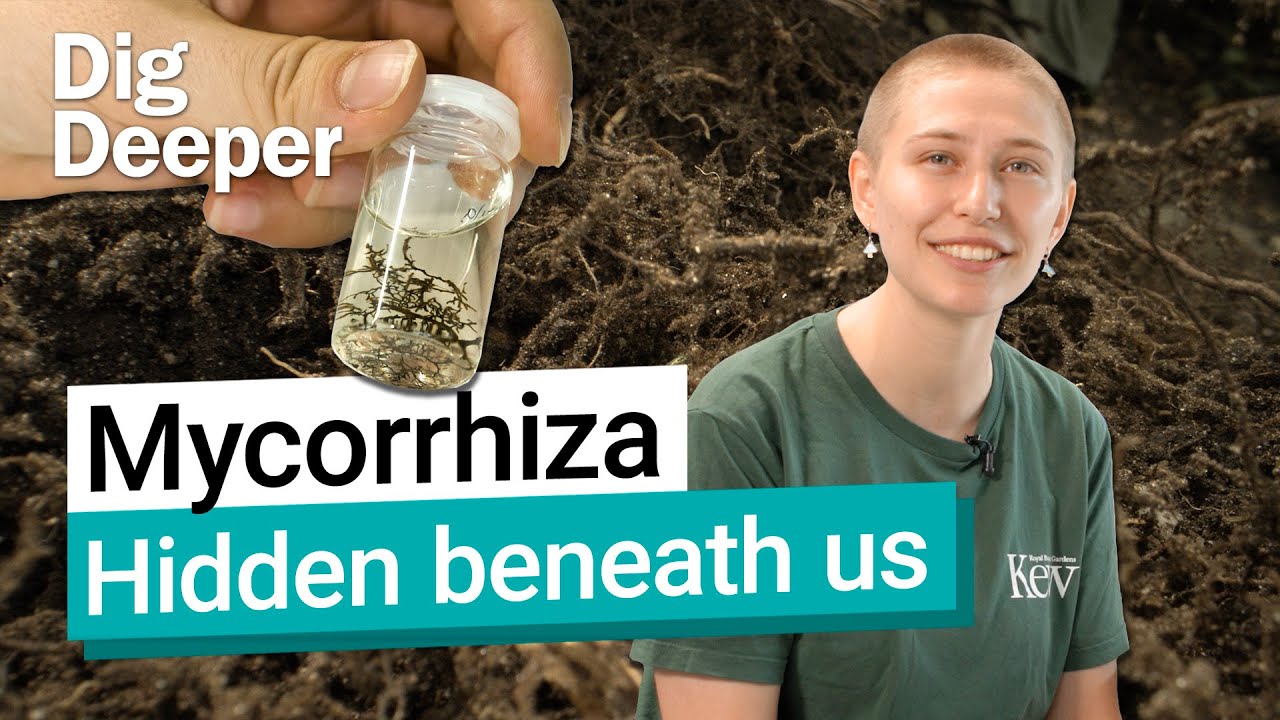
What is mycorrhizal fungi? | Dig Deeper episode 13
Royal Botanic Gardens, Kew
Phase 68A institutional anchor: Kew explains arbuscular mycorrhiza, nutrient exchange, and plant–fungus dependency in a botanical-garden voice — grounding the Wood Wide Web narrative in collections-based science.
Watch on YouTube →Supporting Evidence (11 more)
How Trees Talk to Each Other
The original TED talk that introduced the world to the Wood Wide Web — Suzanne Simard explains her discovery that changed forest science forever.
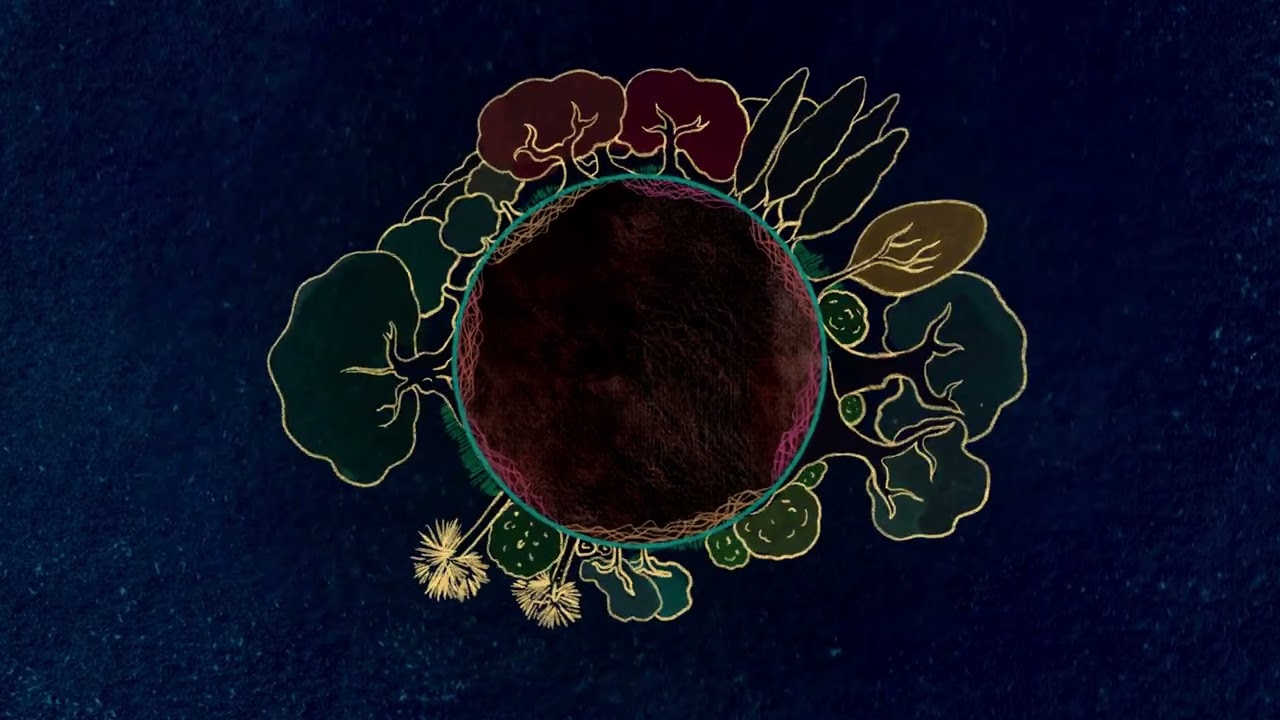
Mycorrhizal Fungi: The Roots of Life on Land
SPUN — the organization mapping the world's fungal networks — explains why mycorrhizal fungi are the foundation of all terrestrial ecosystems.
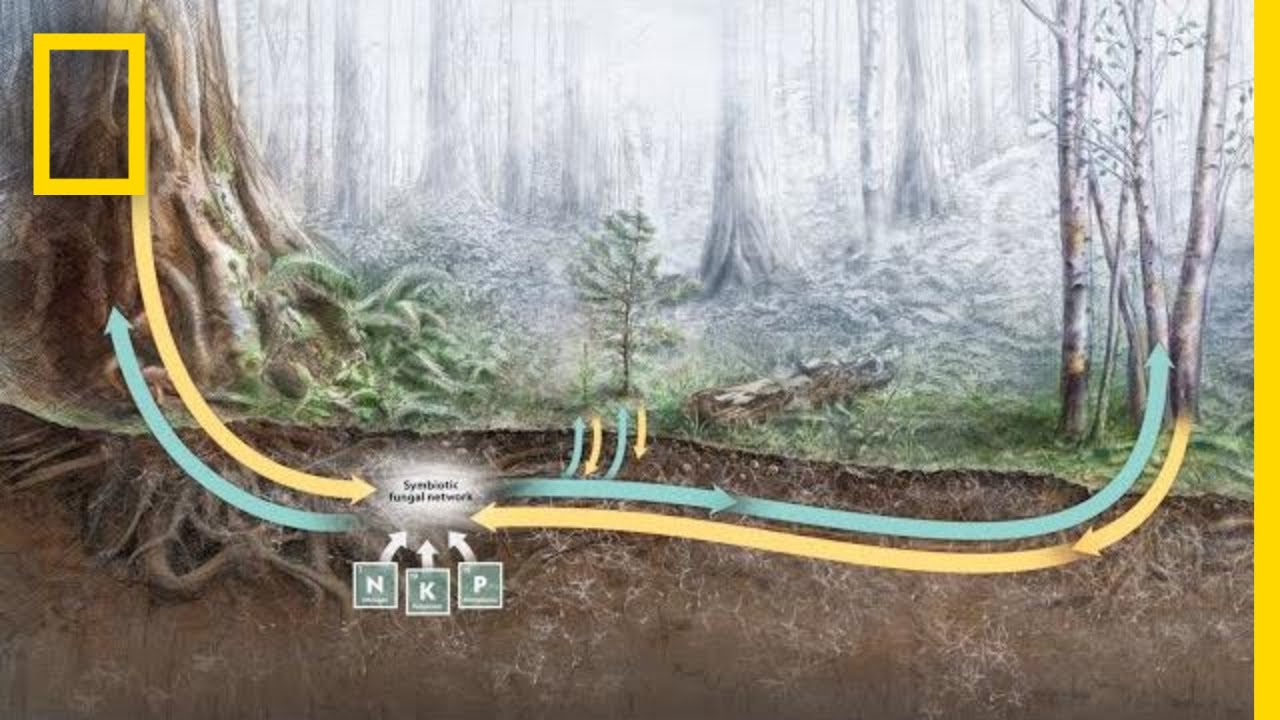
How Trees Secretly Talk to Each Other in the Forest
National Geographic's stunning visual explainer of the underground fungal network — showing how trees cooperate through hidden connections.
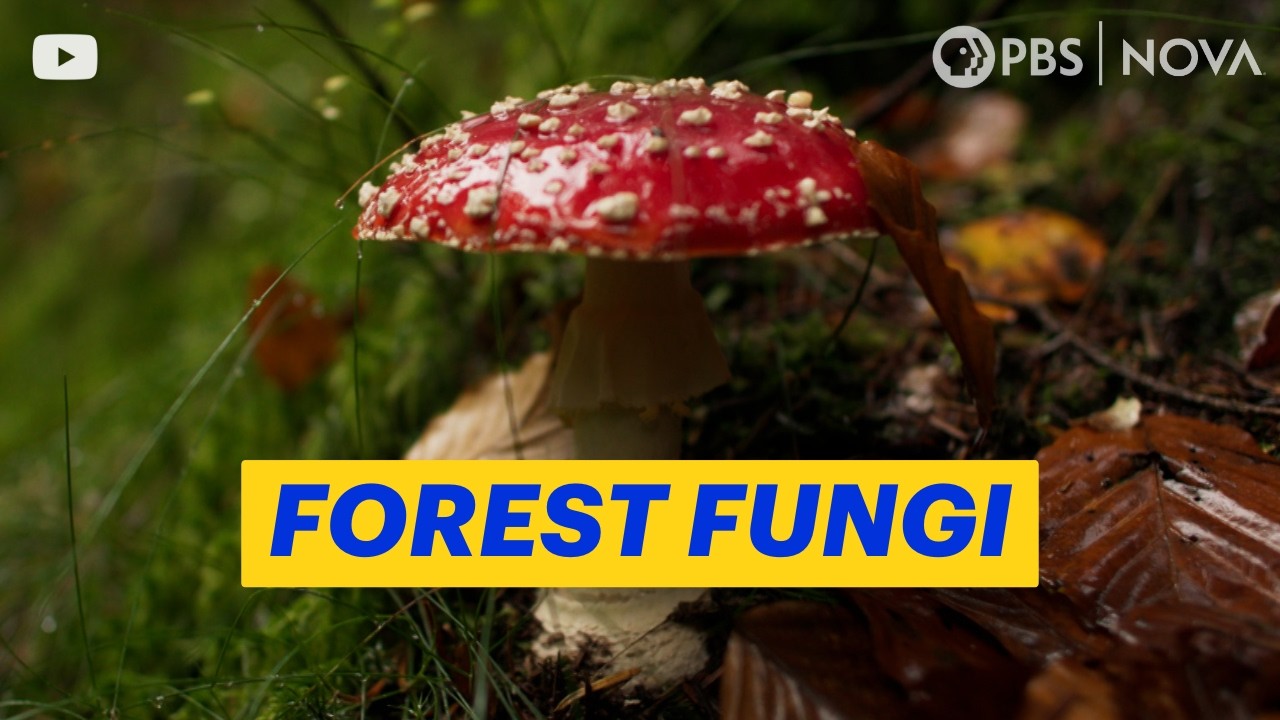
The Underground Network That Helps Forests Survive
NOVA PBS dives deep into the science of mycorrhizal networks — how they help forests survive drought, disease, and climate change.
Mycorrhizal Fungi: The Roots of Life on Land
Expert narration with high-end microscopic footage showing the 'trading strategies' between plants and fungi — from the world's first fungi NGO.
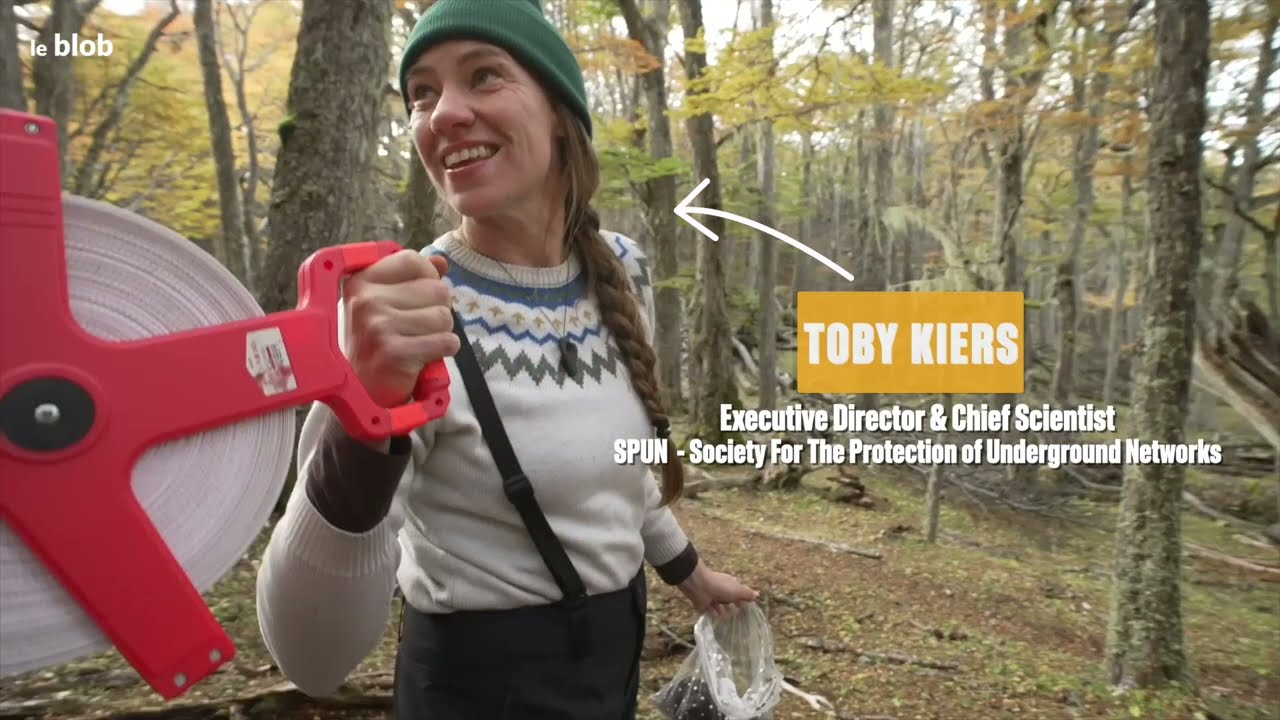
Inside SPUN's Underground Atlas
The world's first high-resolution map of fungal biodiversity — SPUN's Underground Atlas as a conservation tool to protect what we cannot see.

Visualising Arbuscular Mycorrhizal Fungi with Microscopy
Hidden gem: a working mycologist showing actual microscopy of fungal-root connections. Under 1K views but exactly the authentic field science that proves the Wood Wide Web is real.
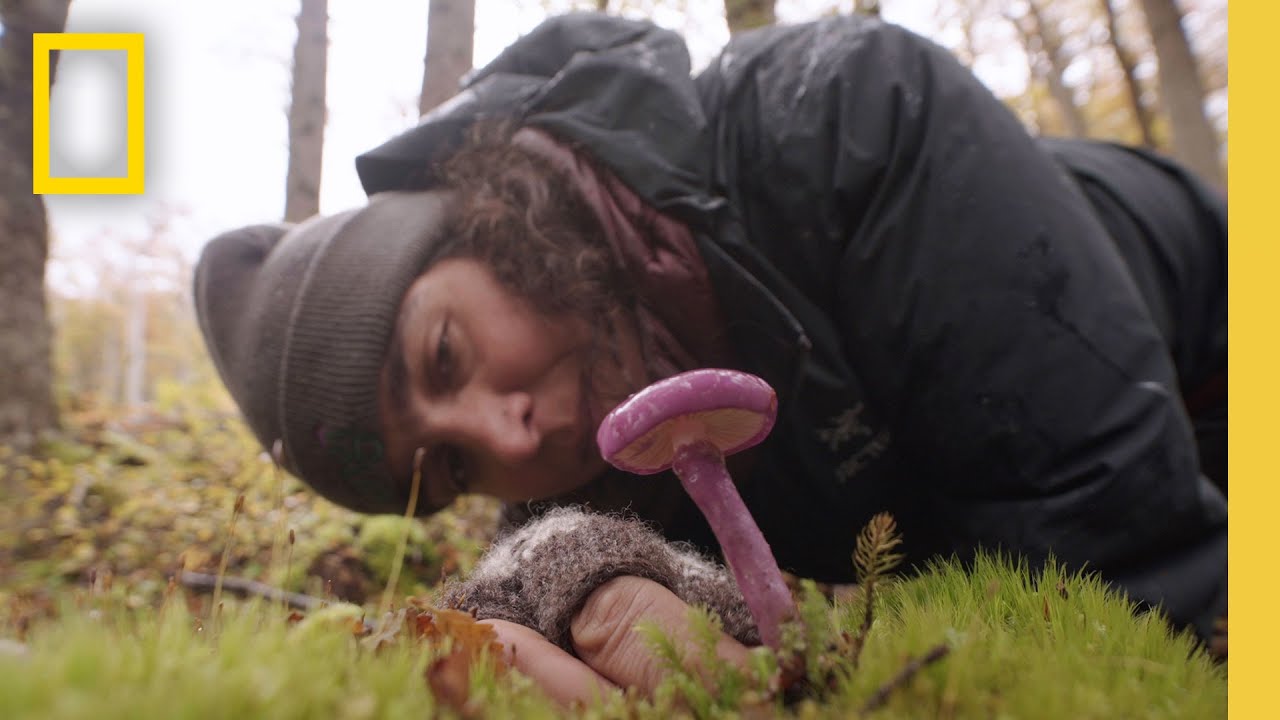
Flora, Fauna, Funga
The first documentary to argue fungi deserve equal conservation status with plants and animals. Three mycologists in Tierra del Fuego — the film that changed National Geographic's definition of wildlife.
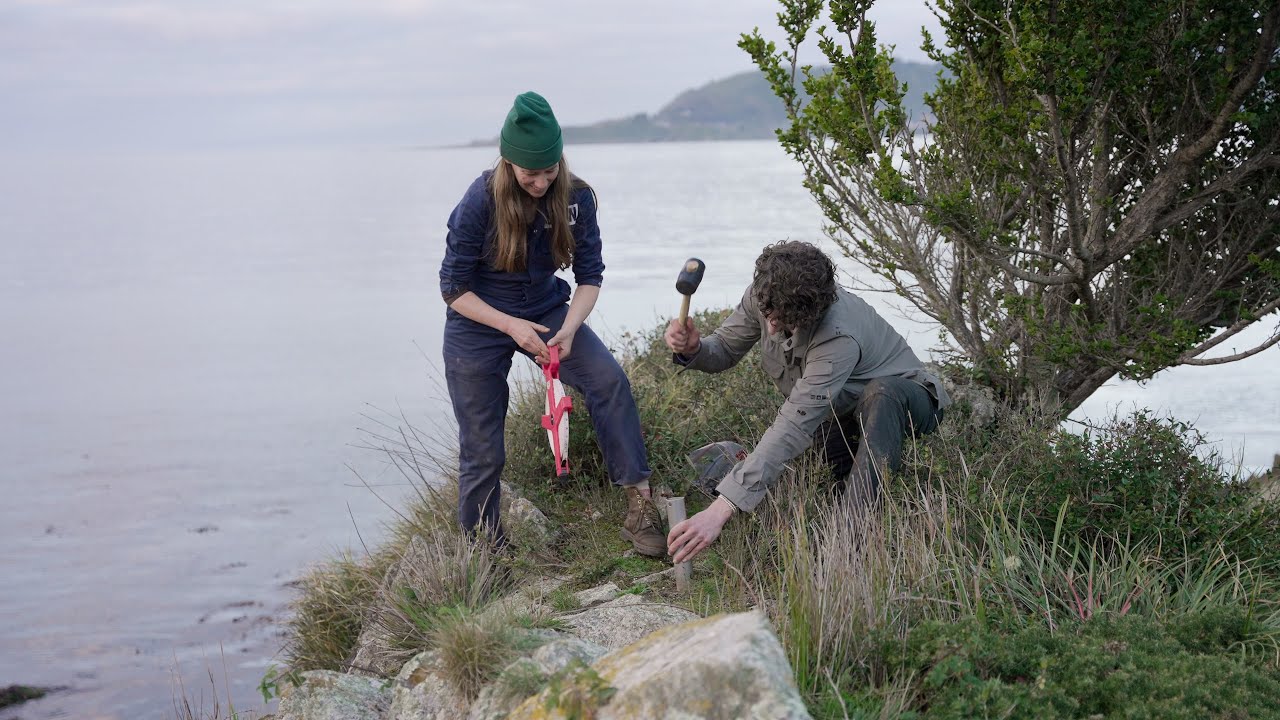
Building a map of Earth's mycorrhizal fungal networks
SPUN's Toby Kiers explains how they are building the first global map of underground fungal networks — the Underground Atlas that could change conservation forever.
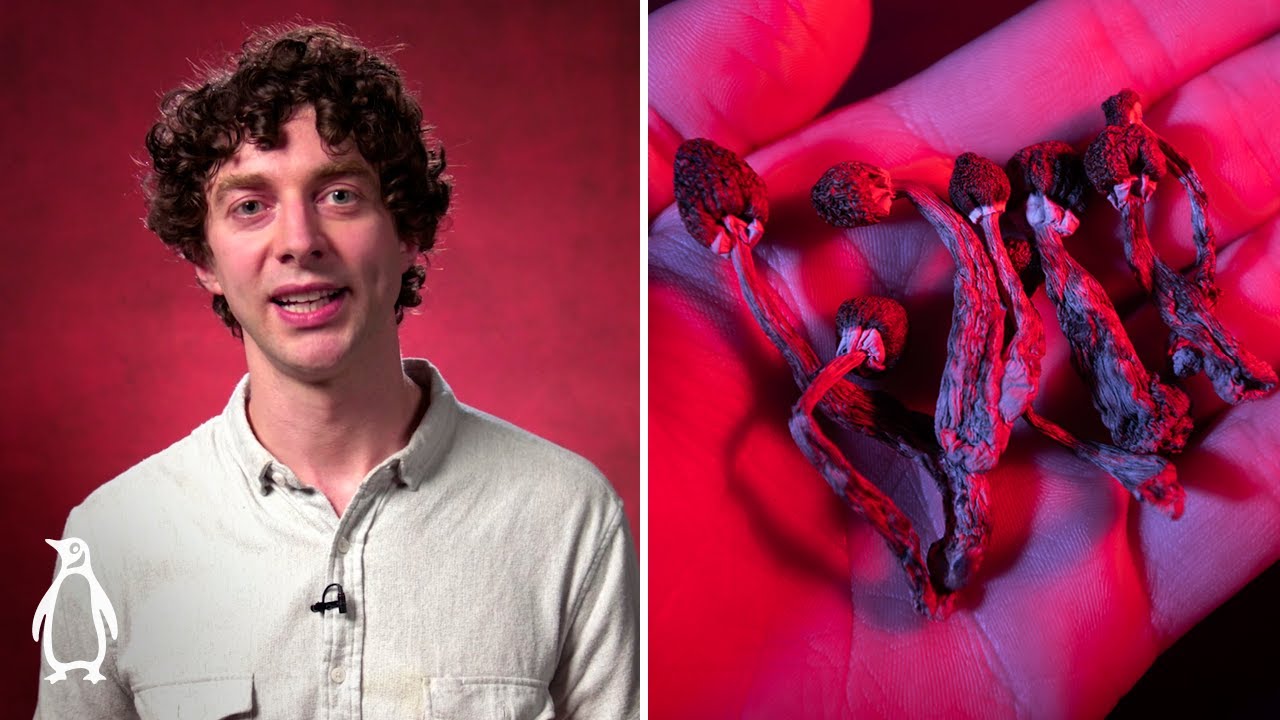
How fungi shaped our world and could save it
Merlin Sheldrake — author of Entangled Life — explains the resource economics of fungal networks with the nuance of a working mycologist. Avoids 'sentient forest' tropes.
Mobilising mycologists worldwide to conserve underground fungal networks
Cambridge University's climate initiative interviews SPUN researchers about the global effort to map and protect mycorrhizal networks before they disappear.
Frequently Asked Questions
- What is the Wood Wide Web — and is it oversimplified?
- The Wood Wide Web refers to mycorrhizal fungal networks connecting tree roots. Carbon and nutrient transfer through these networks is proven (Simard 1997). However, Karst et al. (2023) in Nature Ecology & Evolution found systematic citation bias: the 'cooperative' framing is often overstated. The transfers likely function as a biological marketplace — fungi broker resources for their own benefit, and carbon flows along concentration gradients rather than through intentional 'sharing.'
- Do trees communicate through fungi?
- Trees send chemical defense signals through mycorrhizal networks when attacked by insects — this is proven (Ecology Letters 2013). Whether this constitutes 'communication' depends on definition. The signals are biochemical, not linguistic. They trigger defensive responses in receiving plants. Calling this 'talking' is a metaphor; calling it signal transduction is accurate.
- Can fungi help stop climate change?
- Mycorrhizal fungi channel approximately 13.1 billion tonnes of CO2 equivalent underground annually — 36% of global fossil fuel emissions. They are one of Earth's largest carbon sinks. Protecting and restoring fungal networks is a major climate strategy.
- What is a 'Mother Tree' and is the concept still valid?
- Simard coined 'Mother Tree' for large hub trees highly connected in the mycorrhizal network. The hub-and-spoke topology is proven by physical mapping (Beiler 2010). Whether hub trees 'recognize' kin and intentionally nurture them is debated — Karst et al. (2023) argue the transfers may be passive gradient-driven, not intentional. The metaphor is culturally powerful but should not be taken literally as altruism.
- How does tilling soil affect fungal networks?
- Mechanical tilling physically shreds the delicate mycelial threads that can take decades to establish. Research shows tilling reduces soil fungal diversity by 50% compared to undisturbed ecosystems. Every plow pass is like cutting fiber-optic cables in the soil's communication network.
- How old are fungal networks?
- Mycorrhizal partnerships are approximately 450-500 million years old. Fungi were essential for the first plants to colonize land from water. Without these ancient networks, terrestrial life as we know it — including forests, grasslands, and food crops — might never have evolved.
- What is the largest living organism on Earth?
- A single honey fungus (Armillaria ostoyae) in Oregon's Malheur National Forest covers 2,385 acres — about 1,665 football fields. It is estimated to be 2,400-8,650 years old. This single fungal network is both the largest and one of the oldest living organisms ever discovered.
Research Sources
21 peer-reviewed papers + 1 scientific background source
View all 22 citations
Mycorrhizal mycelium as a global carbon pool
Nature, 2023
Hawkins et al. found mycorrhizal fungi channel approximately 13.1 billion tonnes of CO2 equivalent underground annually — 36% of annual global fossil fuel emissions
Net transfer of carbon between ectomycorrhizal tree species in the field
Nature, 1997
Suzanne Simard's foundational paper proving trees transfer carbon to each other through mycorrhizal networks — the paper that launched the 'wood wide web' concept
Interplant signalling through hyphal networks
Ecology Letters, 2013
Demonstrated that plants under aphid attack send chemical warning signals through mycorrhizal networks to neighboring plants, which then upregulate their defenses preemptively
Mother trees and the Wood Wide Web
Forests, 2023
Simard's research showing that large, old trees act as 'mother trees' — network hubs that recognize and preferentially feed their own seedlings through fungal connections
Mycorrhizal facilitation of early land plant colonization
Trends in Plant Science, 2022
Evidence that mycorrhizal fungi were essential for plants to colonize land 450-500 million years ago — fungi literally helped life leave the ocean
Glomalin: linking soil carbon and microbial function
Soil Biology and Biochemistry, 2023
Glomalin — a glycoprotein produced by mycorrhizal fungi — acts as 'soil glue' that holds aggregates together and accounts for up to 27% of carbon stored in soil
Reciprocal rewards stabilize cooperation in the mycorrhizal symbiosis
Science, 2011
Kiers et al. showed fungi act as 'brokers' — they allocate more nutrients to plants that provide more carbon in return, creating a biological trading economy
A worldwide assessment of mycorrhizal plant species diversity
New Phytologist, 2022
Confirmed that over 90% of all land plant species form symbiotic relationships with mycorrhizal fungi — making this the most widespread mutualism on Earth
The global economic value of mycorrhizal symbiosis
Global Environmental Change, 2024
Estimated the global economic value of mycorrhizal fungal services — nutrient cycling, carbon storage, water retention, disease suppression — at over $54 trillion annually
Microplastics reduce mycorrhizal colonization and carbon sequestration
Global Change Biology, 2023
Soil microplastics reduce the efficiency of mycorrhizal carbon sequestration by up to 30%, threatening one of Earth's most important climate stabilization systems
Conventional agriculture reduces soil fungal diversity by 50%
Global Ecology and Biogeography, 2020
Mechanical tilling physically shreds mycelial networks that took decades to build, reducing fungal diversity by half compared to undisturbed systems
Forests as a natural solution to climate change
Nature Climate Change, 2024
Intact forest mycorrhizal networks are 2-3x more effective at carbon sequestration than newly planted forests without established fungal connections
Positive citation bias and overinterpretation of mycorrhizal networks in forest ecology
Nature Ecology & Evolution, 2023
Critical meta-analysis showing that Wood Wide Web claims have been systematically overstated — many 'cooperative' transfers may be parasitic or passive, not altruistic. Essential for scientific honesty.
Mycorrhizal associations as a primary control of the CO2 fertilization effect
Science, 2016
van der Heijden et al. showed that ecosystem responses to elevated CO2 depend fundamentally on whether trees partner with AM or EM fungi — the mycorrhizal type determines the carbon cycle response
Architecture of the wood-wide web: Rhizopogon spp. genets link multiple Douglas-fir cohorts
New Phytologist, 2010
Beiler et al. physically mapped the fungal network architecture connecting Douglas fir trees — proving CMNs have hub-and-spoke topology, not random connections
Mycorrhizal fungal establishment in agricultural soils: factors determining inoculation success
New Phytologist, 2022
Critical review finding that commercial mycorrhizal inoculants often fail in degraded agricultural soils — the existing soil microbiome and chemistry determine success, not just adding spores
SPUN Underground Atlas
Society for the Protection of Underground Networks, 2024
The first global effort to map Earth's mycorrhizal fungal networks — identifying priority areas for conservation before they are destroyed
Fatty acids as a signal of the arbuscular mycorrhizal symbiosis
Science, 2017
Luginbuehl et al. discovered that plants transfer fatty acids (not just sugars) to AM fungi, which lack genes for fatty acid synthesis. This makes mycorrhizal fungi obligate lipid biotrophs — fundamentally dependent on their host for energy-dense molecules.
Partner choice in mycorrhizal mutualism
PNAS, 2015
Werner & Kiers proved that plants and fungi are shrewd negotiators — plants withhold carbon from 'cheating' fungi that provide insufficient phosphorus, and fungi preferentially supply nutrients to the most carbon-generous hosts. A biological market with enforcement.
Global diversity and geography of soil fungi
Science, 2014
Tedersoo et al. mapped global fungal diversity across 365 sites on all continents — establishing that fungal biogeography follows different rules than plant biogeography, with climate and soil chemistry as primary drivers
Global assessment of arbuscular mycorrhizal fungus diversity reveals very low endemism
Science, 2015
Davison et al. showed that AM fungal communities follow latitudinal gradients but have remarkably low endemism — meaning the same fungal species colonize roots across continents, connected by atmospheric and animal dispersal
Mycorrhiza-mediated phosphorus transfer between plants
Nature Plants, 2021
Correa et al. quantified actual phosphorus transfer rates through mycorrhizal networks — providing the first kg/ha/year measurements of the biological trading economy between plants and fungi
Related Research in This Series
Continue Reading
More from Ecology Restoration

Biochar and Mycorrhizal Fungi: Synergistic Effects in Soil Regeneration and Plant Growth
Biochar and Mycorrhizal Fungi: Synergistic Effects in Soil Regeneration and Plant Growth Soul Intro: The Living Skin of the Earth Step outside on a damp

Carbon to Nitrogen Ratio: The Complete 30-Input C:N Master Table for Composting
The fundamental engine of composting is microbial life. These billions of bacteria and fungi require two primary elements to build their cells and fuel the

Soil Microbiome: Key to Effective Ecosystem Restoration
Soil microbiome diversity drives ecosystem restoration success. Explore how microbial communities restore damaged ecosystems through enhanced nutrient c...
Share this article

Mycorrhizal Networks: The Fungal Internet
Mycorrhizal networks link plant roots through fungal hyphae — nutrient transfer, signaling, and forest-scale cooperation. Dense synthesis with soil-cluster links, Kew anchor, and peer-reviewed mechanisms (carbon, phosphorus, VOC signaling).