
The Marine Microbiome: The Biological Pump That Cools the Planet
Evidence-based science journalism. Every claim verified against peer-reviewed research.
Peer-Reviewed Science
56 published papers · click to read
35,113
combined citations
William E. Armstrong
University of Tennessee Health Science Center
Memphis College of Medicine 38163, USA.Electrophysiological Distinctions Between Oxytocin and Vasopressin Neurons in the Supraoptic Nucleus — Advances in Experimental Medicine and Biology
34 citations
Nancy Collins Johnson
Northern Arizona University
Arizona 86011–5640, USAFunctioning of mycorrhizal associations along the mutualism–parasitism continuum* — New Phytologist
2,000 citations
Chloé Baumas
Centre National de la Recherche Scientifique
Marseille, FranceA focus on different types of organic matter particles and their significance in the open ocean carbon cycle — Progress In Oceanography
26 citations
François Thomas
Sorbonne Université
Roscoff, FranceEnvironmental and Gut Bacteroidetes: The Food Connection — Frontiers in Microbiology
1,323 citations
Marlysa Sullivan, PhD
Maryland University of Integrative Health
United StatesYoga Therapy and Polyvagal Theory: The Convergence of Traditional Wisdom and Contemporary Neuroscience for Self-Regulation and Resilience — Frontiers in Human Neuroscience
207 citations
Douglas B. Rusch
J. Craig Venter Institute
Maryland, United States of AmericaThe Sorcerer II Global Ocean Sampling Expedition: Northwest Atlantic through Eastern Tropical Pacific — PLoS Biology
2,100 citations
Ricardo Cavicchioli
UNSW Sydney
School of Biotechnology and Biomolecular Sciences, The University of New South Wales“ommunities by providing microhabitats that favor carbon-fixing bacteria, leading to increased polysaccharide production and reduced CO2 efflux by 15% through pathways like enhanced nitrogen fixation and altered gene expression for carbon assimilation”
Scientists’ warning to humanity: microorganisms and climate change — Nature Reviews Microbiology
2,035 citations
Gabriele Berg
Microbiome definition re-visited: old concepts and new challenges
2,118 citations
Madeleine J. H. van Oppen
Building coral reef resilience through assisted evolution
1,004 citations
Danping Zheng
Interaction between microbiota and immunity in health and disease
3,784 citations
Researchers identified from peer-reviewed literature indexed in Semantic Scholar · OpenAlex · PubMed. Each card links to the original published paper.
Professional Boundary: The content on Express.Love is for informational and educational purposes only. It is not intended to be a substitute for professional medical advice, diagnosis, or treatment. Always seek the advice of your physician or other qualified health provider with any questions you may have regarding a medical condition.
The ocean has absorbed 30% of all human CO2 emissions since industrialization. A continuous shower of Marine Snow transports billions of tonnes of carbon to the deep sea. The biological pump is the planet's primary climate regulator — and microplastics are disrupting it.
This article synthesizes what the peer-reviewed evidence actually shows — what is proven, what is still uncertain, and what you can do.
24 sources23 peer-reviewed papers + 1 scientific background source. Uncertainty stated clearly.
Key Takeaways
- Key Takeaway 1
- Ocean microbes produce 50-80% of Earth's oxygen — Prochlorococcus alone outproduces all forests.
- Key Takeaway 2
- The ocean has absorbed 30% of human CO2 emissions (525 billion tonnes) since industrialization.
- Key Takeaway 3
- 10 billion viruses per liter kill 20-40% of bacteria daily — the viral shunt drives marine biodiversity.
- Key Takeaway 4
- Diatoms alone produce 20% of Earth's oxygen — more than all rainforests combined.
- Key Takeaway 5
- Marine biodiversity is declining faster than terrestrial — microbial shifts threaten global biogeochemical cycles.
✓What is proven
- •Marine phytoplankton produce 50-80% of Earth's oxygen through photosynthesis
- •The biological carbon pump transports billions of tonnes of carbon to the deep ocean annually
- •Ocean acidification from absorbed CO2 is measurably harming calcifying organisms
- •Marine viruses are a dominant force in microbial population control and nutrient cycling
- •Ocean deoxygenation is accelerating due to warming and stratification
?Still uncertain or overstated
- •Exact tipping points for biological pump collapse under continued warming and acidification
- •Whether marine microbial communities can adapt fast enough to keep pace with ocean chemistry changes
- •The full impact of microplastics on deep-ocean carbon sequestration efficiency
- •How viral community shifts under warming will reshape ocean nutrient cycling
- •Whether iron fertilization or other geoengineering approaches can safely enhance the biological pump
How Does the Biological Carbon Pump Work?
The biological carbon pump is the ocean's mechanism for transferring carbon from the atmosphere to the deep sea. It begins with photosynthesis: phytoplankton at the surface fix CO2 into organic matter. When they die, they aggregate into Marine Snow, a continuous shower of particles sinking from the sunlit zone to the abyss.
This is not a gentle drift. Marine Snow carries billions of tonnes of carbon below 1,000 meters annually, where it is locked away for centuries to millennia. Without this pump, atmospheric CO2 would be twice current levels.
Azam and colleagues discovered that bacteria process 50%% of all marine primary production through the Microbial Loop. Dissolved organic matter released by living and dying phytoplankton is consumed by bacteria, which are eaten by protists, which recycle nutrients back into the food web.
This loop is invisible but fundamental. It determines whether carbon stays at the surface (where it can re-enter the atmosphere) or gets packaged into particles dense enough to sink. The microbial loop is the decision point of the entire carbon pump.
Every liter of seawater contains 10 billion viruses. They kill 20-40%% of marine bacteria every single day, bursting cells and releasing their contents back into the dissolved organic matter pool. This viral shunt redirects carbon from higher trophic levels back into the microbial loop.
Far from being destructive, the viral shunt maintains microbial diversity (no species can dominate), recycles nutrients to the surface, and drives the evolution of microbial resistance. Marine viruses are ecosystem engineers, not pathogens.
Why Are Diatoms and Prochlorococcus So Different?
Diatoms are large (2-200 micrometers), glass-shelled, and dominant in nutrient-rich coastal waters. They sink fast and drive efficient carbon export. Prochlorococcus is tiny (0.5-1 micrometer), the most abundant photosynthesizer on Earth, and dominant in the nutrient-poor open ocean. It sinks slowly.
Together they produce approximately 40%% of Earth's oxygen. But they contribute to the carbon pump through fundamentally different mechanisms. The balance between diatom-driven export and cyanobacteria-driven recycling determines the ocean's carbon sequestration efficiency.
What Happens in the Twilight Zone?
The ocean twilight zone (200-1000 meters) is where the biological pump's fate is decided. BGC-Argo autonomous floats (Nature Geoscience, 2021) revealed that this zone processes far more carbon than previously estimated. Zooplankton migration, microbial respiration, and particle fragmentation all occur here.
Most Marine Snow is consumed or dissolved before reaching the deep ocean floor. Only 1-2%% of surface production survives to 1,000 meters. But that fraction is enormous at planetary scale, and it is this fraction that determines long-term climate.
How Are Microplastics Disrupting the Pump?
Microplastics interfere with Marine Snow formation by altering particle aggregation and sinking rates. Research suggests this could reduce the biological pump's efficiency by 10-25%%. Additionally, microplastics provide surfaces for bacterial colonization that redirect carbon processing away from sinking and toward surface recycling.
The plastics we dump on land end up disrupting the deepest carbon cycle on the planet.
How Much CO2 Has the Ocean Already Absorbed?
Since industrialization, the ocean has absorbed approximately 525 billion tonnes of anthropogenic CO2, roughly 30%% of all human emissions. This massive buffering effect has slowed climate change. But the cost is ocean acidification: as CO2 dissolves, it forms carbonic acid, lowering pH and threatening the calcifying organisms (corals, coccolithophores, pteropods) that are integral to the biological pump.
What Did BGC-Argo and Tara Oceans Discover?
The Tara Oceans expedition collected 35,000 samples across all ocean basins, discovering millions of unknown microbial genes and revealing that plankton community networks, not just abundance, predict carbon export efficiency (Guidi et al., Nature 2016).
BGC-Argo floats are now providing continuous, autonomous measurements of ocean biogeochemistry at depth. Together, these programs are rewriting our understanding of how the ocean breathes.
What Is the Mineral Ballast Hypothesis?
Not all Marine Snow sinks at the same speed. Armstrong et al. (2002) proved that mineral ballast — calcium carbonate from coccolithophore shells and silica from diatom frustules — increases sinking speed 10-100x. Particulate organic carbon flux correlates with mineral flux with R-squared of 0.8.
Without these heavy mineral shells, most organic carbon would be consumed by bacteria before reaching the deep ocean. Diatoms and coccolithophores are not just oxygen producers — they are the gravitational engines of the biological pump.
What Is Recalcitrant Dissolved Organic Carbon?
Jiao et al. (2010) in Nature Reviews Microbiology defined the Microbial Carbon Pump (MCP) — a process distinct from the biological pump. Microbes transform labile dissolved organic matter into Refractory DOC (RDOC) that persists for 4,000-6,000 years.
The RDOC reservoir holds 662 petagramsof carbon — the largest pool of reduced carbon on Earth. This 'invisible' carbon is chemically 'unreadable' to most organisms. The MCP may exceed the biological pump's sequestration in the vast oligotrophic ocean gyres.
Why Does Mixotrophy Change Everything?
Mitra et al. (2014) established that 50%% of marine protists are mixotrophic — combining photosynthesis and phagotrophy. They photosynthesize when light is available and eat bacteria when it is not. This dual metabolism dominates oligotrophic gyres.
Mixotrophy fundamentally changes carbon cycling models. Traditional models assume separate 'producers' and 'consumers.' In reality, the same organism does both, creating a metabolic flexibility that stabilizes the surface ocean food web and buffers it against nutrient limitation.
What Would Happen If the Biological Pump Failed?
Without the biological pump, atmospheric CO2 would be approximately twice current levels — returning the climate to a state not seen in 50 million years. The pump fails when surface warming increases stratification, trapping nutrients below the thermocline and starving phytoplankton.
Behrenfeld et al. (2006) in Nature showed this is already happening: ocean primary productivity has declined since 1999. The plankton that produce every second breath are being starved by the very warming they help buffer against. This feedback loop is the most consequential planetary risk that most people have never heard of.
What Connects the Ocean to Every Other System?
Rivers carry nutrients from the soil that fuel coastal blooms. Those blooms produce DMS that seeds clouds in the atmosphere. Ocean oxygen feeds the holobiont with every breath. The ethology of marine cooperation — cleaner fish markets, whale nutrient pumps — is the biological market theory of the deep.
What Happens in the Twilight Zone (200-1000m)?
The mesopelagic twilight zone is the most critical filter in the global carbon cycle. Every night, trillions of zooplankton migrate to the surface to feed and return to depth at dawn — the diel vertical migration, the largest movement of biomass on Earth. By feeding at the surface and excreting at depth, zooplankton inject carbon directly into the deep ocean, bypassing slow gravitational sinking.
Salps create the ocean's high-speed rail. Their membrane-bound fecal pellets sink at over 1,000 meters per day — so fast that bacteria cannot consume them in transit. This fast export is a critical climate buffer that ensures carbon reaches the seafloor for millennial storage.
How Does the Martin Curve Define Pump Efficiency?
The Martin Curve describes how organic carbon flux decreases with depth: F(z) = F(euphotic) x (z/z_euphotic) to the power of -b, where b is approximately 0.86 globally. This means 90%% of surface carbon is consumed by bacteria before reaching 1,000 meters. Only about 1%% reaches the seafloor.
Even a small shift in the b-value has massive climate consequences. If warming increases b (more efficient bacterial recycling), less carbon reaches the deep and more CO2 stays in the atmosphere. The plankton that start the cascade determine whether the pump works or fails.
How Does Mineral Ballast Accelerate Carbon Sinking?
Not all Marine Snow sinks at the same speed. Armstrong et al. (2002) proved that mineral ballast from coccolithophore calcium carbonate shells and diatom silica frustules increases sinking speed 10-100x. Heavy minerals drag organic carbon down faster than bacteria can consume it.
Dust from the air microbiome — Saharan and Gobi desert particles — provides additional lithogenic ballast. In years with high dust deposition, the Martin Curve b-value drops significantly because carbon races past the hungry twilight zone bacteria. The biological pump is not just biology. It is biogeochemistry — minerals and microbes working together.
How Do Giant Larvaceans Act as High-Speed Carbon Elevators?
Robison et al. (2005) in Science discovered that giant larvaceans build mucus houses up to 1 meter across that filter 10-40%% of upper ocean carbon per day. When clogged, the larvacean discards the house. The abandoned structure sinks at 800-1,000 meters per day — 10-100 times faster than individual particle settling. Henschke et al. (2019) quantified 100 million tons of carbon transported annually by these organisms.
What Is the Carbonate Counter-Pump Paradox?
Coccolithophores build calcium carbonate shells. The chemical reaction releases CO2: Ca2+ + 2HCO3- produces CaCO3 + CO2 + H2O. For every mole of carbon buried as carbonate, one mole is released as CO2. Yet their shells are the most efficient ballast mineral, increasing sinking speed to 100-200 meters per day.
The CO2 released during calcification is a short-term cost. The increased transport efficiency is a long-term gain. Ocean acidification weakens coccolithophore calcification — thinner, more fragile shells that reduce ballast efficiency at the same time warming increases stratification. Models disagree on whether the net feedback increases or decreases sequestration.
How Do Prochlorococcus Ecotypes Divide the Ocean by Light?
Johnson et al. (2006) revealed that Prochlorococcus is a family of distinct ecotypes. High-Light adapted (HL) ecotypes dominate the surface. Low-Light adapted (LL) ecotypes occupy 100-200 meters. Genomes range 1.6-2.4 megabases — the smallest of any photosynthetic organism. HL ecotypes cannot survive below 50 meters. LL ecotypes are outcompeted at the surface. This vertical partitioning maximizes total water column productivity.
Whether climate change will shift ecotype distributions is uncertain. Warming may expand HL habitat while increased stratification reduces nutrient supply to LL depths. The plankton-oxygen link depends on these dynamics.
How Do Marine Viruses Redirect the Carbon Cycle?
Sullivan et al. (2017) defined the dual role of ocean viruses. The viral shunt bursts bacterial cells, releasing their carbon as dissolved organic matter that stays at the surface — feeding the microbial loop instead of sinking. The viral shuttle does the opposite: infected cell aggregates become heavy and sink, exporting carbon to depth.
Which pathway dominates determines whether carbon stays in the atmosphere or reaches the deep ocean. Viruses kill 20-40%% of marine bacteria daily, but this is not destruction. It prevents any single species from monopolizing nutrients. Viral lysis maintains the microbial diversity that keeps the biological pump functioning across all ocean provinces.
10 Facts From the Research
Marine microbes produce every second breath you take
Ocean photosynthesizers — [phytoplankton, cyanobacteria, and diatoms](/articles/plankton-microbiome-oxygen-ocean-health) — generate 50-80% of Earth's oxygen. The tiny cyanobacterium Prochlorococcus alone produces more oxygen than all terrestrial forests combined.
Source: Science, 1998→The ocean has absorbed 30% of all human CO2 emissions
Since industrialization, the ocean has captured approximately 525 billion tonnes of anthropogenic CO2. This massive buffering effect has slowed climate change — but at the cost of ocean acidification that threatens the very microbes doing the absorbing.
Source: Science, 2004→Marine Snow is the planet's largest carbon conveyor
A continuous shower of dead plankton, fecal pellets, and organic particles falls from the sunlit surface to the deep ocean floor. This 'Marine Snow' transports billions of tonnes of carbon below 1000m, where it is locked away for centuries to millennia.
Source: Nature, 2019→10 billion viruses per liter of seawater shape the entire ecosystem
Marine viruses kill 20-40% of ocean bacteria every single day. This 'viral shunt' recycles nutrients back to the surface, prevents any one species from dominating, and drives the evolution of microbial resistance — a hidden engine of ocean biodiversity.
Source: Nature Reviews Microbiology, 2007→Bacteria process 50% of all marine primary production
The 'Microbial Loop' — discovered in 2007 — revealed that bacteria consume half of everything phytoplankton produce. This dissolved organic matter recycling is invisible but fundamentally controls ocean nutrient availability.
Source: Nature Reviews Microbiology, 2007→Ocean oxygen has declined 2% since 1960
The ocean has lost 77 billion tonnes of oxygen in 60 years due to warming and stratification. As oxygen drops, microbial communities shift from aerobic to anaerobic metabolism — changing what the ocean produces and what it absorbs.
Source: IUCN, 2019→Diatoms alone produce 20% of Earth's oxygen
These microscopic glass-shelled algae generate more oxygen than all the world's rainforests combined. Diatoms thrive in nutrient-rich coastal and polar waters and are the foundation of most marine food webs.
Source: Nature Geoscience, 2019→Microplastics may reduce the biological pump by 10-25%
Plastic particles interfere with the formation and sinking of Marine Snow, potentially short-circuiting the ocean's primary mechanism for long-term carbon storage. What we dump on land ends up disrupting the deep ocean's climate regulation.
Source: Science of the Total Environment, 2022→The Tara Oceans expedition discovered millions of unknown genes
The largest marine microbiome study ever conducted found that most ocean microbial life was previously unknown to science. The functional potential of these organisms — from novel antibiotics to carbon-processing enzymes — is barely explored.
Source: Science (Tara Oceans), 2020→Marine biodiversity is declining faster than terrestrial biodiversity
Microbial community shifts in the ocean threaten the stability of global biogeochemical cycles. [River pollution](/articles/water-pollution-from-rivers-to-oceans) and [coral reef collapse](/articles/coral-reef-symbiosis-rainforest-of-the-sea) compound the damage — unlike forest loss, microbial biodiversity loss is invisible and potentially more consequential.
Source: Annual Review of Marine Science, 2021→What You Can Do
Reduce your plastic footprint
80% of ocean plastic starts on land. Cutting single-use plastics at source prevents microplastic interference with the biological carbon pump.
Support ocean microbiome research
Organizations like the Tara Ocean Foundation are mapping the marine microbiome to understand how it responds to climate change. Fund the science.
Support Tara Ocean Foundation→Learn about the biological pump
Watch the MBARI deep-sea footage of Marine Snow — understanding the invisible carbon conveyor changes how you think about the ocean.
Advocate for marine protected areas
MPAs protect not just fish and coral but the microbial ecosystems that regulate global carbon and oxygen. Support policies that expand ocean protection.
Explore marine protected areas→Support the People Working on This
Tara Ocean Foundation
Scientific exploration of the ocean to understand and protect marine ecosystems through the world's largest marine microbiome research program
The Tara Oceans expedition collected 35,000+ samples across all ocean basins, generating the most comprehensive marine microbiome dataset in history
MBARI (Monterey Bay Aquarium Research Institute)
Developing innovative technology and methods for studying the deep ocean
Pioneered deep-sea ROV technology that first filmed Marine Snow in detail — transforming our understanding of the biological carbon pump
Ocean Conservancy
Advocating for science-based solutions to ocean challenges including pollution, climate, and biodiversity loss
Organized the International Coastal Cleanup for 35+ years — removing 350+ million pounds of trash from waterways
Schmidt Ocean Institute
Advancing ocean research through innovative technology and open data sharing
Operates the research vessel Falkor (too) providing free ship time to scientists — discovered 50+ new deep-sea species
Watch: The Science in Motion
MBARI deep-sea footage, TEDx talks, and the science of Marine Snow — how the ocean sequesters carbon and why it matters for every breath you take.
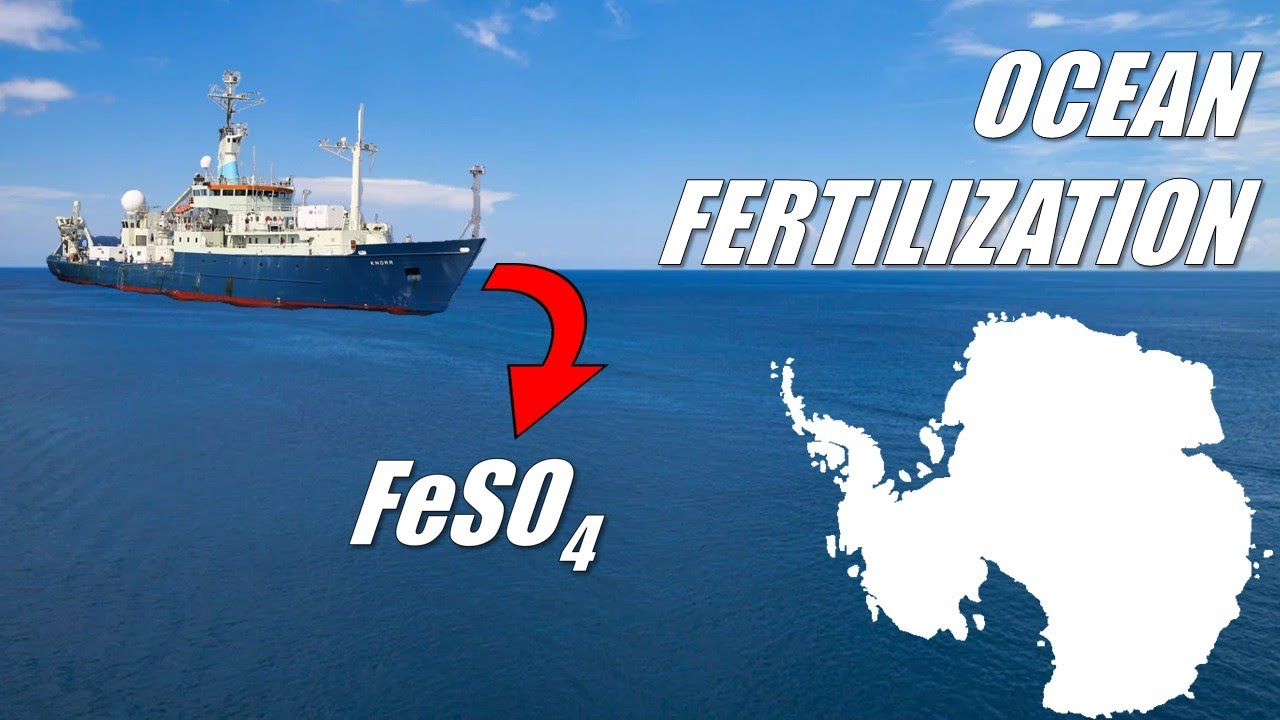
Marine Snow and CCD: The Carbon That Reaches the Deep... and Then Disappears
Ocean & Science
The most detailed educational breakdown of Marine Snow and the Carbonate Compensation Depth — how the biological pump sequesters carbon and what happens when it reaches the deep ocean floor.
Watch on YouTube →Supporting Evidence (7 more)
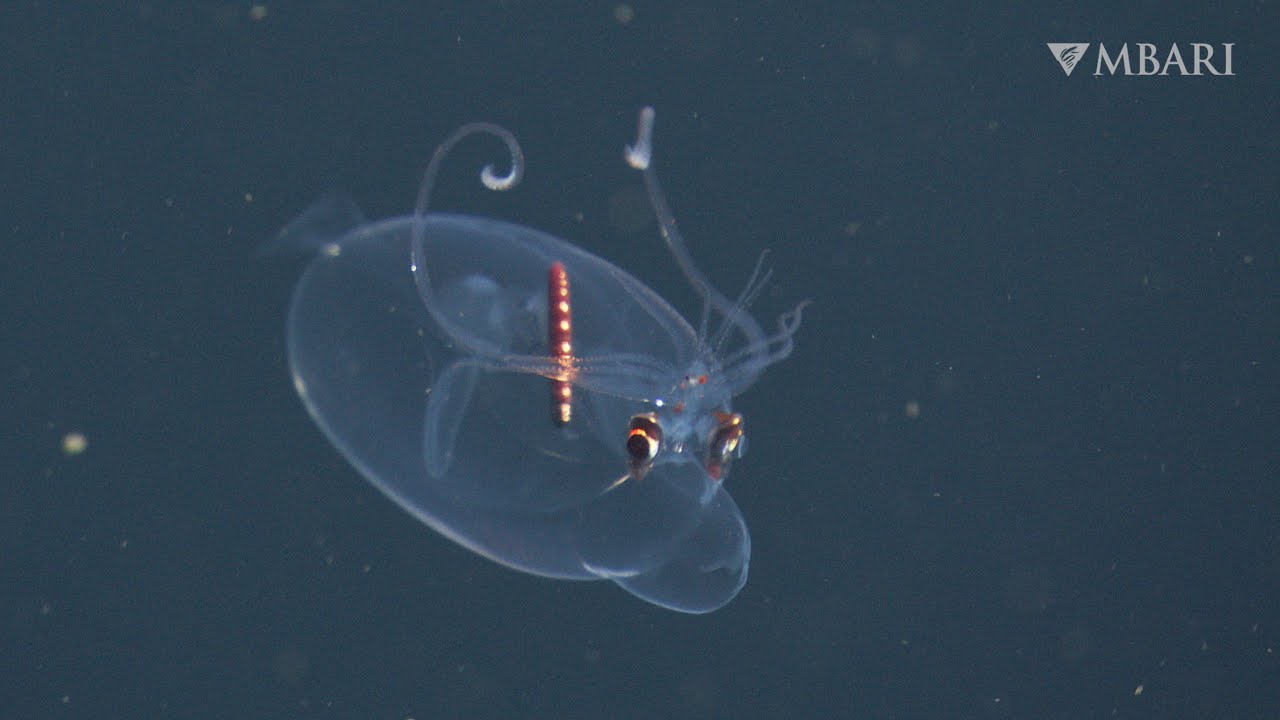
MBARI's spectacular deep-sea sightings from 2025 — in stunning 4K
The world's leading deep-sea research institute shares 4K footage of the organisms that drive the biological carbon pump — filmed by remotely operated vehicles at depths humans cannot reach.
Watch on YouTube →
Plankton — Our Breath of Life
Pulitzer-nominated journalist Tony Bartelme connects plankton science to human survival — why the invisible organisms producing every second breath are under threat.
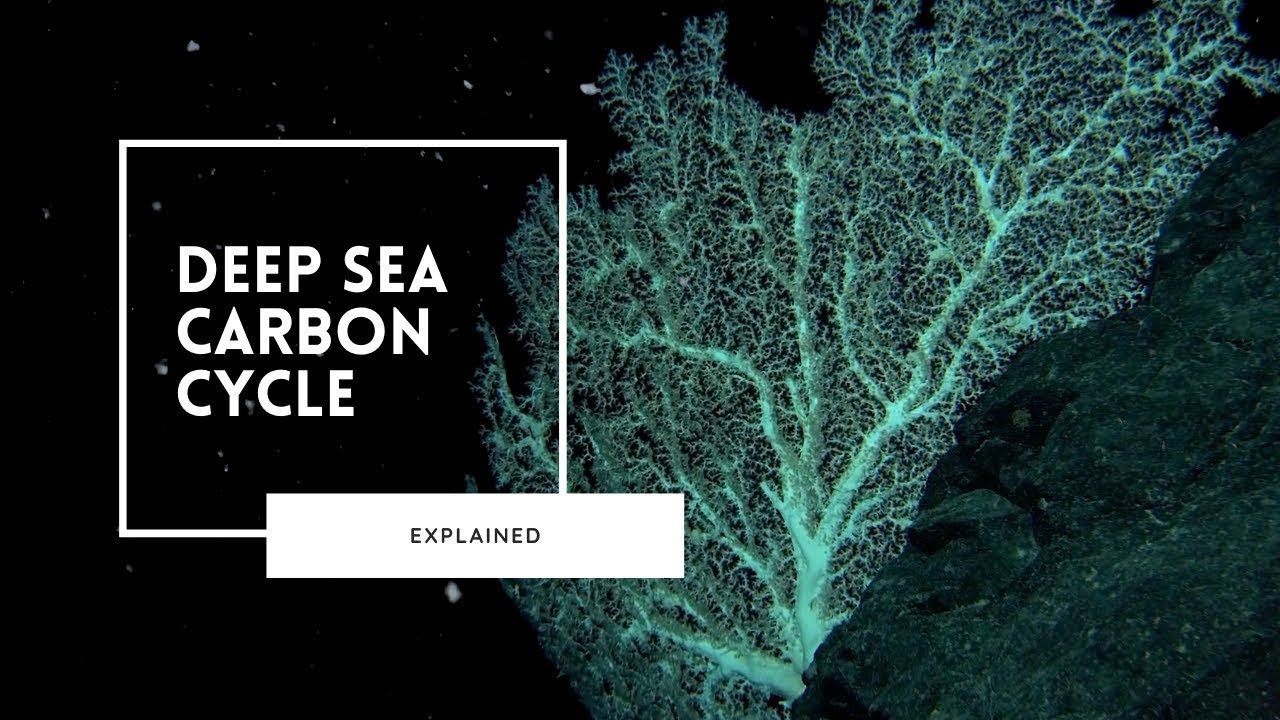
The Marine Carbon Cycle Explained
Comprehensive 18-minute deep dive into the marine carbon cycle — biological pump, solubility pump, and why the ocean is the planet's primary climate regulator.
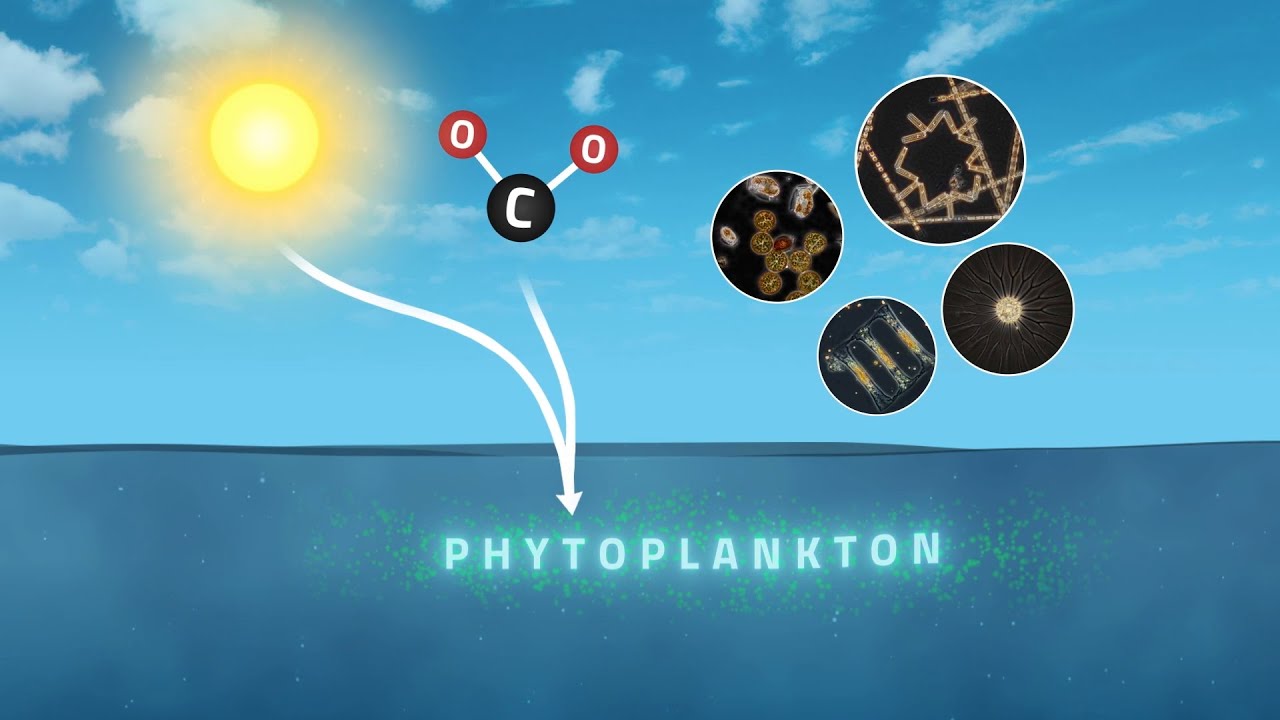
Tracking Carbon from Wildfires to Ocean Blooms
NASA's PACE satellite mission tracking carbon from terrestrial fires to ocean phytoplankton blooms — showing how the carbon cycle connects land and sea in real time.
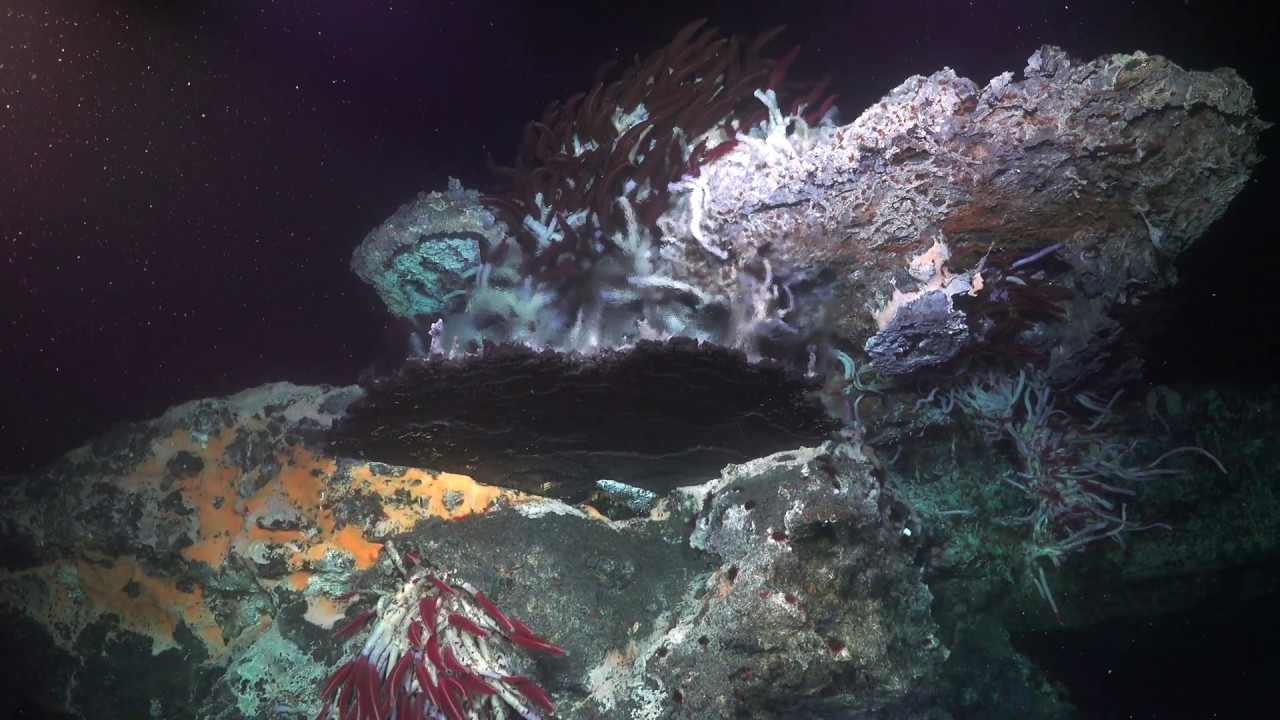
Microbial Mysteries — 4K ROV Highlights
Stunning 4K footage from Schmidt Ocean's research vessel Falkor — ROV exploration of deep-sea microbial communities and the environments where the biological pump delivers carbon.
Microbiome: microorganisms invisible life responsible for many services
The Tara Ocean Foundation — who collected 35,000 samples across all ocean basins — explains why marine microorganisms are the invisible foundation of planetary services.
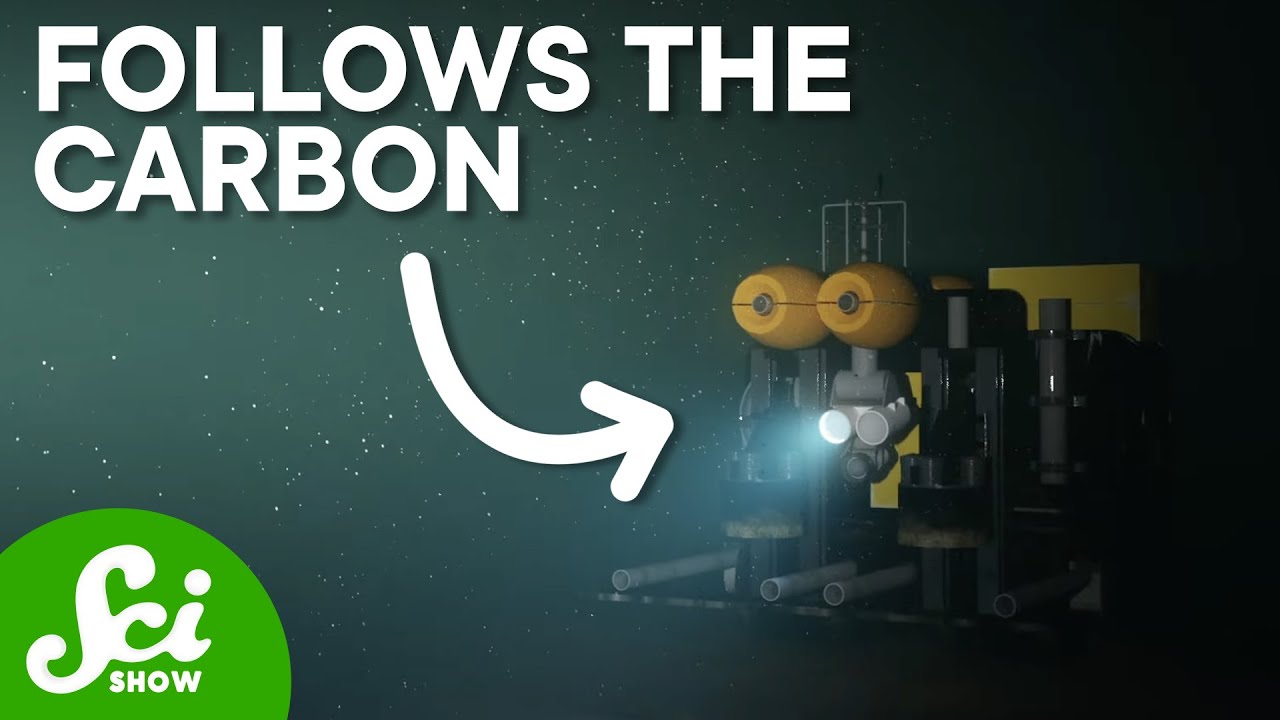
This Robot Filled the Deep Ocean Gap in the Carbon Cycle
How BGC-Argo autonomous floats are revealing that the ocean twilight zone processes far more carbon than previously estimated — filling the biggest gap in global carbon models.
Frequently Asked Questions
- What is the biological carbon pump?
- The biological carbon pump is the ocean's mechanism for transferring carbon from the atmosphere to the deep sea. Phytoplankton at the surface fix CO2 through photosynthesis; when they die, they sink as 'Marine Snow' — a continuous rain of organic particles falling to the deep ocean floor, where carbon is locked away for centuries to millennia.
- What is Marine Snow and why does it matter?
- Marine Snow is the continuous shower of dead plankton, fecal pellets, mucus, and organic detritus that falls from the sunlit surface to the deep ocean. It is the primary vehicle for deep-ocean carbon sequestration and the food source for most deep-sea life. Without Marine Snow, the deep ocean would be lifeless and the atmosphere would contain far more CO2.
- How much oxygen does the ocean produce?
- Marine photosynthesizers produce 50-80% of Earth's atmospheric oxygen. Phytoplankton, cyanobacteria (especially Prochlorococcus), and diatoms collectively generate more oxygen than all terrestrial plants combined. Every second breath you take comes from the ocean.
- What is the microbial loop?
- The microbial loop is the pathway by which dissolved organic matter (DOM) released by phytoplankton is consumed by bacteria, which are then eaten by protists, recycling nutrients back into the food web. Bacteria process 50% of all marine primary production through this loop — it is the invisible foundation of ocean productivity.
- How do microplastics affect the ocean carbon pump?
- [Microplastics](/articles/plastic-plankton-oxygen-science) interfere with Marine Snow formation by altering particle aggregation and sinking rates. Research suggests this could reduce the biological pump's efficiency by 10-25%, meaning less carbon reaches the deep ocean and more stays in the atmosphere. The plastics we dump on land are disrupting the ocean's climate regulation.
- Why are marine viruses important?
- Every liter of seawater contains 10 billion viruses. They kill 20-40% of marine bacteria daily in a process called the 'viral shunt,' recycling nutrients back to the surface and preventing microbial monocultures. Marine viruses are not pathogens — they are ecosystem engineers that maintain ocean biodiversity and nutrient cycling.
- Is the ocean running out of oxygen?
- Ocean oxygen content has declined 2% since 1960 — a loss of 77 billion tonnes. Warming reduces oxygen solubility and increases stratification, trapping oxygen-poor water at depth. This creates expanding 'dead zones' where aerobic life cannot survive, fundamentally altering marine microbial communities and the services they provide.
Research Sources
23 peer-reviewed papers + 1 scientific background source
View all 24 citations
Structure and function of the global ocean microbiome
Science (Tara Oceans), 2020
The Tara Oceans expedition mapped microbial diversity across all ocean basins — the largest coordinated study of marine microbes ever conducted, revealing millions of unknown genes
Microbial structuring of marine ecosystems
Nature Reviews Microbiology, 2007
The seminal 'Microbial Loop' paper establishing that bacteria process 50% of marine primary production — rewriting our understanding of ocean energy flow
Microorganisms and ocean global change
Nature Microbiology, 2017
How warming, acidification, and deoxygenation are reshaping marine microbial communities — with cascading effects on the biological pump
Primary production of the biosphere: integrating terrestrial and oceanic components
Science, 1998
The foundational study establishing that marine photosynthesis produces 50-80% of Earth's oxygen — ocean microbes, not trees, are the planet's primary lung
Multi-decadal increase in the biological carbon pump
Nature, 2019
Documented the complexity of biological carbon pump responses and the critical role of marine snow in long-term carbon storage beneath 1000m depth
The global ocean microbiome
Science, 2015
Comprehensive overview establishing that ocean microbes drive Earth's biogeochemical cycles — nitrogen fixation, carbon cycling, and sulfur processing all depend on marine bacteria
Rethinking the marine carbon cycle: factoring in the multifarious lifestyles of microbes
Science, 2015
Challenged the simplified view of ocean carbon cycling — showing that viral lysis, microbial mixotrophy, and particle-associated communities are as important as photosynthesis
Marine viruses — major players in the global ecosystem
Nature Reviews Microbiology, 2007
Every liter of seawater contains 10 billion viruses that kill 20-40% of marine bacteria daily — this 'viral shunt' recycles nutrients and shapes microbial evolution
Ocean deoxygenation: everyone's problem
IUCN, 2019
Ocean oxygen content has declined 2% since 1960 — a loss of 77 billion tonnes of oxygen that is restructuring marine ecosystems from the inside out
Marine microplastics alter the marine biological carbon pump
Science of the Total Environment, 2022
Microplastics interfere with marine snow formation and microbial carbon export — potentially reducing the efficiency of the ocean's primary carbon sink by 10-25%
The oceanic sink for anthropogenic CO2
Science, 2004
The ocean has absorbed approximately 30% of all human-produced CO2 since industrialization — 525 billion tonnes — buffering climate change at the cost of acidification
Nutrient dynamics in the deep blue sea
Trends in Microbiology, 2014
How microbial communities in the deep ocean process sinking organic matter — the final stage of the biological pump where carbon is locked away for centuries
Marine diatoms as a source of oxygen
Nature Geoscience, 2019
Diatoms alone produce ~20% of Earth's oxygen — more than all the world's rainforests combined. These glass-shelled microbes are the unsung heroes of planetary respiration
Decline of marine biodiversity and the impact on ecosystem services
Annual Review of Marine Science, 2021
Marine biodiversity is declining faster than terrestrial biodiversity, with microbial community shifts threatening the stability of global biogeochemical cycles
Plankton networks driving carbon export in the oligotrophic ocean
Nature, 2016
Guidi et al. used Tara Oceans data to show that specific plankton community networks — not just abundance — predict carbon export efficiency. The species interactions determine how much carbon reaches the deep ocean.
The microbial food web in the ocean: from dissolved organic matter to microzooplankton
Annual Review of Marine Science, 2023
Updated framework for how dissolved organic matter flows through the marine microbial food web — showing that microbial processing determines whether carbon stays at the surface or sinks to depth
Autonomous biogeochemical floats detect significant carbon flux from the ocean twilight zone
Nature Geoscience, 2021
BGC-Argo autonomous floats revealed that the ocean twilight zone (200-1000m) processes far more carbon than previously estimated — a missing piece of the global carbon budget
Ocean Literacy: The Essential Principles of Ocean Sciences
NOAA, 2024
NOAA's authoritative framework for understanding ocean systems — the standard reference for educators and policymakers on marine science fundamentals
Viruses as partners in marine carbon cycling
Nature Reviews Microbiology, 2017
Sullivan et al. defined the dual role of marine viruses: the 'viral shunt' (lysing cells, releasing DOC that stays at the surface) vs the 'viral shuttle' (infected cell aggregates that sink, exporting carbon to depth). Viruses control which path carbon takes
High-resolution observations of the mesopelagic carbon sink
PNAS, 2020
Buesseler et al. quantified Carbon Export Efficiency (e-ratio) in the twilight zone — explaining why some blooms sequester carbon efficiently while others are recycled at the surface. The missing piece of the global carbon budget
A new, mechanistic model for organic carbon fluxes based on the ballast hypothesis
Deep-Sea Research, 2002
Armstrong et al. proved that mineral ballast (CaCO3 and SiO2 from diatom/coccolithophore shells) increases sinking speed 10-100x — POC flux correlates with mineral flux (R²=0.8). Heavy shells are the carbon elevator
Microbial production of recalcitrant dissolved organic matter: long-term carbon storage in the global ocean
Nature Reviews Microbiology, 2010
Jiao et al. defined the Microbial Carbon Pump (MCP) — distinct from the Biological Pump. Microbes convert labile DOC into Refractory DOC that persists 4,000-6,000 years. The RDOC reservoir holds 662 Pg C — the largest reduced carbon pool on Earth
Giant larvacean houses: rapid carbon transport to the deep sea floor
Science, 2005
Robison et al. discovered that giant larvacean mucus houses filter 10-40% of upper ocean carbon per day and sink at 800-1000 m/day — a high-speed carbon elevator that bypasses the slow Marine Snow pathway entirely
The role of mixotrophic protists in the biological carbon pump
Biogeosciences, 2014
Mitra et al. established that 50% of marine protists are mixotrophic — combining photosynthesis and phagotrophy. This dual metabolism dominates oligotrophic gyres and fundamentally changes carbon cycling models
Related Research in This Series
Continue Reading
More from Ecology Restoration

Mycorrhizal Support Networks: Understanding the Fungi in Your Backyard
Underground fungi form vast support networks that enhance plant health and ecosystem restoration. Explore how mycorrhizal connections work in your backy...

Pollinator Sanctuary Protocol: Turning Your Balcony into a Haven for Our Smallest Kin
title: "Pollinator Sanctuary Protocol: Turning Your Balcony into a Haven for Our Smallest Kin"

Wetland Wisdom: How Restoring Marshes Recoups the Earths Natural Lungs
Restored marshes capture carbon and restore biodiversity while improving water quality. Discover why wetland restoration is critical for combating clima...
Share this article

The Marine Microbiome: The Biological Pump That Cools the Planet
The ocean has absorbed 30%% of human CO2 emissions. Marine Snow sequesters billions of tonnes of carbon. 14 peer-reviewed sources reveal how the biological pump works and why microplastics threaten it.