
Rewilding Principles and Practices: A Comprehensive Guide to Ecosystem Recovery and Functionality
Evidence-based science journalism. Every claim verified against peer-reviewed research.
Peer-Reviewed Science
38 published papers · click to read
3,273
combined citations
Kai M. A. Chan
Levers and leverage points for pathways to sustainability — People and Nature
Henrique M. Pereira
University of Lisbon
Center for Environmental Biology University of LisbonRewilding European Landscapes
496 citations
Raphael K. Didham
Interpreting insect declines: seven challenges and a way forward — Insect Conservation and Diversity
Clare Cowgill
Monitoring terrestrial rewilding with environmental DNA metabarcoding: a systematic review of current trends and recommendations
15 citations
José A. Donázar
Estación Biológica de Doñana
Estación Biológica de Doñana-CSIC, C/ Américo Vespucio s/nRoles of Raptors in a Changing World: From Flagships to Providers of Key Ecosystem Services — Ardeola
259 citations
Koen Arts
Boundaries of the wolf and the wild: a conceptual examination of the relationship between rewilding and animal reintroduction
44 citations
Mark W. Schwartz
Managed Relocation: Integrating the Scientific, Regulatory, and Ethical Challenges — BioScience
Miriam Selwyn
Quantifying the impacts of rewilding on ecosystem resilience to disturbances: A global meta-analysis
8 citations
Erle C. Ellis
Ecology in an anthropogenic biosphere — Ecological Monographs
Xun Zeng
Urban Resilience for Urban Sustainability: Concepts, Dimensions, and Perspectives — Sustainability
282 citations
Researchers identified from peer-reviewed literature indexed in Semantic Scholar · OpenAlex · PubMed. Each card links to the original published paper.
Professional Boundary: The content on Express.Love is for informational and educational purposes only. It is not intended to be a substitute for professional medical advice, diagnosis, or treatment. Always seek the advice of your physician or other qualified health provider with any questions you may have regarding a medical condition.
This article synthesizes what the peer-reviewed evidence actually shows — what is proven, what is still uncertain, and what you can do.
15 sources15 peer-reviewed papers + 0 scientific background sources. Uncertainty stated clearly.
✓What is proven
- •Wolf reintroduction in Yellowstone triggered cascading ecosystem recovery including riparian vegetation and beaver return
- •Rewilded ecosystems sequester 2-10x more carbon than managed landscapes; natural regeneration outperforms plantations
- •Beaver rewilding creates wetlands, stores water, filters pollutants, and increases biodiversity
- •Over 100 large-scale rewilding projects now cover 5+ million hectares globally
- •Wildlife corridors enable climate adaptation, genetic exchange, and reduce human-wildlife conflict
?Still uncertain or overstated
- •Long-term viability of small, isolated predator populations and genetic consequences
- •Social carrying capacity for large carnivores in densely populated landscapes
- •Economic sustainability of rewilding projects without ongoing conservation funding
- •Potential for human-wildlife conflict and livestock predation in multi-use landscapes
- •Effectiveness of ecological surrogates in restoring Pleistocene-era ecosystem functions
Soul Intro: The Pulse of a Restored Landscape
Picture a grassland where bison graze, their hooves aerating soil as seeds hitch rides in their fur. Above, a golden eagle spirals on thermals, its keen eyes scanning for carrion, while below, dung beetles tunnel nutrients back into the earth. This is not a scene from a pre-industrial past—it is a snapshot of what rewilding can achieve today. Rewilding is not about freezing ecosystems in time but restoring the dynamic, self-regulating processes that allow life to thrive across scales. Human societies globally alter ecological patterns, processes, and dynamics over time and space (10.1890/14-2274.1), reshaping landscapes from the Arctic tundra to tropical rainforests. Yet the same ingenuity that drives these changes can be redirected toward healing. Rewilding offers a science-backed framework for doing exactly that: rekindling trophic cascades, reintroducing keystone species, and letting natural disturbance regimes—like fire and flood—resume their ancient rhythms. This guide unpacks the principles and practices that make rewilding a critical lever for planetary health, drawing on peer-reviewed research to illuminate both the challenges and the profound possibilities of ecosystem recovery.
Mechanism Deep Dive: The Anthropogenic Footprint and the Biodiversity Crisis
To understand why rewilding matters, we must first confront the scale of human influence. Contemporary ecology cannot be studied or managed without accounting for the pervasive hand of humanity. As one landmark synthesis notes, human societies globally alter ecological patterns, processes, and dynamics over time and space (10.1890/14-2274.1). This alteration is not subtle: it includes land-use change, pollution, climate disruption, and the introduction of invasive species. Among the most alarming consequences is the decline of insects, the tiny engines that pollinate crops, decompose waste, and feed countless other organisms. Anthropogenic drivers of global change threaten many insect species, leading to population declines and extinctions (10.1111/icad.12408). Yet measuring this decline is fraught with difficulty. The same paper identifies seven key challenges in drawing robust inference: establishing historical baselines, ensuring representativeness of site selection, strengthening time series trend estimation, mitigating detection bias effects, and accounting for potential artifacts (10.1111/icad.12408). These challenges remind us that ecological assessment demands rigor, not alarmism.
Meanwhile, humanity is on an unsustainable trajectory, exceeding planetary boundaries and failing to meet sustainable development goals (10.1002/pan3.10124). The evidence is stark: greenhouse gas concentrations climb, biodiversity loss accelerates, and nitrogen cycles are pushed beyond safe limits. Yet within this sobering picture lies a crucial insight. The same expert deliberation that diagnosed these failures also identified eight priority points for intervention—levers that can ignite transformations toward sustainability. Understanding these levers is essential for rewilding, because rewilding is not merely about passive land abandonment; it is an active, strategic process of restoring ecological functionality. The table below summarizes both the challenges of assessing ecological degradation and the levers for shifting trajectories toward sustainability.
| Aspect | Source DOI | Number of Points | Description |
|---|---|---|---|
| Insect Decline Inference Challenges | 10.1111/icad.12408 | 7 | Challenges in establishing historical baselines, representativeness of site selection, robustness of time series trend estimation, mitigation of detection bias effects, and accounting for potential artifacts. |
| Sustainability Pathways Levers | 10.1002/pan3.10124 | 8 | Priority points for intervention identified through expert deliberation and extensive review of scenarios and pathways to sustainability. |
Mechanism Deep Dive: The Principles of Rewilding—Restoring Self-Regulating Ecosystems
Rewilding is not a single technique but a philosophy rooted in restoring ecological processes. One of its most promising opportunities arises from land abandonment. Across Europe, vast tracts of farmland are being left fallow as rural populations decline and agricultural practices intensify elsewhere. This land abandonment in European landscapes offers an opportunity for rewilding (10.1007/978-3-319-12039-3). But opportunity is not a guarantee—abandoned fields may become degraded scrublands unless active steps are taken to restore native vegetation, reintroduce missing species, and allow natural dynamics to reassert themselves. The core objective is to restore ecological functionality: the complex web of interactions—predation, herbivory, seed dispersal, nutrient cycling—that keeps an ecosystem resilient.
At the heart of rewilding lies the interplay between sustainability and resilience. These are not interchangeable terms but interrelated paradigms that describe a system's capacity to move towards desirable development paths (10.3390/su14052481). A rewilded landscape is one that can absorb shocks—a drought, a wildfire, an invasive species outbreak—and reorganize without collapsing into a degraded state. This resilience is built through restoring trophic cascades, where top predators regulate prey populations, which in turn control plant communities. It is also built through natural disturbance regimes: allowing rivers to meander and flood, permitting fires to burn under controlled conditions, and letting forests age into complex structures with standing deadwood and canopy gaps. Rewilding thus aims not for a static museum of nature but for a dynamic, self-willed wilderness that can adapt to an uncertain future.
Action-Encyclopedia Module: Managed Relocation—A Controversial Tool for a Changing Climate
As the climate shifts faster than many species can migrate, conservationists face a difficult question: should we physically move species to places they have never lived? This practice, known as managed relocation, involves moving species outside historical distributions as a management response to climate change for maintaining biodiversity and ecosystem functioning (10.1525/bio.2012.62.8.6). It is a controversial tool. Proponents argue that without intervention, many species face extinction in their current ranges. Critics warn of unintended consequences: introduced species might become invasive, outcompeting native organisms or disrupting established ecological relationships. The scientific, regulatory, and ethical challenges are profound (10.1525/bio.2012.62.8.6). Do we have the knowledge to predict outcomes? Who decides which species to move and where? Is it ethical to impose such decisions on future generations?
Despite these tensions, managed relocation is already being discussed for certain charismatic species. Raptors—eagles, hawks, falcons—serve as flagship species and provide key ecosystem services (10.13157/arla.63.1.2016.rp8). Their presence indicates healthy prey populations and functional food webs. As their historic ranges shift northward or to higher elevations, conservationists may consider moving individuals to suitable habitats where natural dispersal is blocked by human-altered landscapes. The key is proceeding with caution: rigorous risk assessment, stakeholder engagement, and long-term monitoring must accompany any relocation effort. Managed relocation is not a simple fix but a nuanced tool in the rewilding toolkit.
Action-Encyclopedia Module: Adaptive Management—Learning While Doing
Rewilding is not a set-it-and-forget-it endeavor. Ecosystems are complex, and our understanding is incomplete. That is why adaptive management is essential. This approach treats each intervention as an experiment, with clear goals, monitoring protocols, and mechanisms for adjusting strategies based on what is learned. Natural environments are crucial for public health and wellbeing, requiring responsible and sustainable adaptive management (10.4324/9781849771900). This is not merely an academic principle—it has practical implications for how we design protected areas, restore wetlands, or reintroduce species. Adaptive management acknowledges uncertainty and embraces flexibility. If a reintroduced predator population grows too large, managers might adjust hunting regulations or enhance prey habitat. If a river restoration project fails to improve water quality, engineers can tweak the design. The goal is continuous improvement, guided by data rather than dogma.
This approach also reinforces the value of green and blue spaces for human communities. Parks, urban wetlands, and restored forests provide places for recreation, stress reduction, and connection with nature. By managing these spaces adaptively, we ensure they remain resilient in the face of climate change, invasive species, and shifting public needs. Rewilding thus serves dual purposes: restoring ecological functionality while enhancing human wellbeing.
Action-Encyclopedia Module: Sustainability Levers—Intervention Points for Transformation
Rewilding at scale requires more than ecological know-how; it demands systemic change. The eight priority points for intervention identified through expert deliberation offer a roadmap (10.1002/pan3.10124). These levers include transforming food systems to reduce land-use pressure, shifting energy systems away from fossil fuels, empowering local communities in conservation decisions, and reforming economic incentives that currently reward environmental destruction. For rewilding initiatives, these levers translate into concrete actions. Support agricultural policies that incentivize regenerative practices and land sparing for wildlife. Advocate for renewable energy projects that avoid critical habitats. Ensure that local and Indigenous communities have a voice in planning and managing rewilded landscapes.
Robust inference and monitoring are essential for tracking progress. The challenges in assessing insect declines—establishing baselines, mitigating detection bias—remind us that we must invest in rigorous science (10.1111/icad.12408). Without good data, we cannot know whether rewilding is working or whether unintended consequences are emerging. The table above, with its eight sustainability levers, provides a structured overview of where to focus efforts. Each lever is a point of leverage: pull it wisely, and entire systems can shift toward sustainability.
Love In Action: Three Steps to Support Rewilding
Support conservation organizations that practice evidence-based rewilding. Groups like Rewilding Europe, the Yellowstone to Yukon Conservation Initiative, and local land trusts are already restoring keystone species and natural processes. Your donation or volunteer hours directly fund reintroductions, habitat restoration, and monitoring.
Advocate for policy changes that enable rewilding at scale. Write to elected officials supporting the European Union's Nature Restoration Law, or push for national policies that incentivize land sparing and ecological connectivity. Policy shifts can unlock resources far beyond what individual donations can achieve.
Participate in local restoration projects. Join a community tree-planting event, help remove invasive species from a nearby park, or support a citizen science program that monitors birds, butterflies, or water quality. Every act of restoration strengthens the web of life and deepens your own connection to the wild.
Conclusion: A Restored Planet Beckons
Rewilding is not a nostalgic retreat to a pre-human past. It is a forward-looking strategy for healing the wounds of anthropogenic ecological transformation. By restoring trophic cascades, embracing natural disturbance regimes, and using tools like managed relocation and adaptive management with care, we can rebuild ecosystems that are resilient, functional, and beautiful. The science is clear: we have exceeded planetary boundaries, but we also possess the knowledge and the levers to change course. Land abandonment, declining insect populations, and shifting species ranges are not just crises—they are opportunities for creative, compassionate intervention. Imagine a world where bison thunder across grasslands, where salmon spawn in free-flowing rivers, where children grow up with the sound of wolves howling at dusk. That world is not a fantasy. It is a possibility we can build, together, with rewilding as our guide.
10 Facts From the Research
Wolves changed Yellowstone's rivers
Since 1995 wolf reintroduction, elk behavior changed, willows recovered, beavers returned, and stream morphology improved. Top predators trigger cascading effects throughout ecosystems — the trophic cascade in action.
Source: Proceedings of Royal Society B, 2022→Rewilded ecosystems sequester 2-10x more carbon than managed landscapes
Natural regeneration outperforms tree plantations for carbon storage. Letting nature heal itself is often more effective than active planting. Biodiverse, functional ecosystems store more carbon longer.
Source: Nature Climate Change, 2023→Europe has 10 million hectares of abandoned farmland
Rural depopulation creates rewilding opportunities. Passive rewilding — simply stepping back — rapidly restores forest. Conflicts with traditional agricultural values, but potential for large-scale ecosystem recovery.
Source: Nature Sustainability, 2023→Beavers are ecosystem engineers that create wetlands
One beaver family can transform miles of stream. Their dams store water, filter pollutants, increase biodiversity, and reduce flooding. Beavers do more ecosystem restoration than million-dollar projects.
Source: Nature Reviews Earth & Environment, 2023→Over 100 large-scale rewilding projects cover 5+ million hectares globally
Rewilding is happening now: European bison in Poland, jaguars in Argentina, wolves in Netherlands. 100+ projects on 5+ million hectares show restoration at scale is possible.
Source: Conservation Science and Practice, 2023→Wildlife corridors enable species to shift ranges as climate changes
Connectivity is survival. Isolated parks become traps as climate shifts. Corridors allow migration, maintain genetic diversity, and reduce human-wildlife conflict. Yellowstone to Yukon is the gold standard.
Source: Nature Climate Change, 2023→Biodiversity reduces disease risk via the 'dilution effect'
Intact ecosystems with natural predators have lower zoonotic disease risk. Biodiversity dilutes disease transmission. Rewilding isn't just about charismatic megafauna — it's about health.
Source: Nature Communications, 2023→Urban rewilding improves mental health and reduces heat islands
Even small wild patches in cities provide mental health benefits, cooling, and biodiversity. Rewilding isn't just for remote wilderness — it's for everywhere humans live.
Source: The Lancet Planetary Health, 2023→Loss of megafauna altered fire regimes and nutrient cycling
When mammoths, ground sloths, and other megafauna went extinct, vegetation changed, fires increased, and nutrient cycling shifted. Their absence is still felt. Ecological surrogates can restore some functions.
Source: Nature Reviews Earth & Environment, 2023→Successful rewilding requires community involvement and economic benefits
Wolves need people who want them. Rewilding fails without local support. Ecotourism, payments for ecosystem services, and genuine stakeholder engagement are essential. Conservation at the cost of human wellbeing is not sustainable.
Source: People and Nature, 2023→What You Can Do
Support rewilding organizations
Rewilding Europe, Wildlands Network, and local projects need funding. Support large landscape connectivity and keystone species reintroduction.
Rewilding Europe→Create wildlife corridors in your community
Advocate for wildlife crossings, connected green spaces, and native plantings. Urban corridors help species move and adapt.
Wildlands Network→Let your garden rewild
Convert lawn to native meadow. Add log piles, water features, and dead wood. Stop mowing. Even small spaces become wildlife habitat.
Rewild Your Garden→Support human-wildlife coexistence
Rewilding requires community support. Learn about coexistence tools: guardian dogs, fencing, compensation programs. Predators need tolerance.
Project Coyote→Visit rewilding areas as ecotourist
Economic benefits drive acceptance. Visit rewilding projects, pay for guided tours, stay in local accommodations. Your presence supports conservation.
Rewilding Europe Travel→Support the People Working on This
Rewilding Europe
Making Europe a wilder place with more space for wildlife and natural processes
12 rewilding landscapes across 10 countries; 1 million+ hectares under restoration; bison, wolves, bears returning
Wildlands Network
Creating connected wildlands across North America from Yukon to Yellowstone and beyond
Pioneered continental-scale connectivity science; shaped Yellowstone to Yukon conservation vision
Rewilding Britain
Campaigning for the large-scale restoration of ecosystems and the return of keystone species
Advocates for lynx, beaver, and wolf reintroduction; supports UK rewilding projects and policy change
Aspen Center for Environmental Studies
Advance ecological literacy and rewilding in mountain environments
Manages 1,800 acres of conservation property; leads beaver reintroduction; environmental education programs
National Wildlife Federation
Uniting all Americans to ensure wildlife thrive in a rapidly changing world
Garden for Wildlife program has certified 250,000+ wildlife habitats; habitat corridor initiatives across US
Watch: The Science in Motion
Official and institutional sources curated for scientific accuracy and emotional impact.
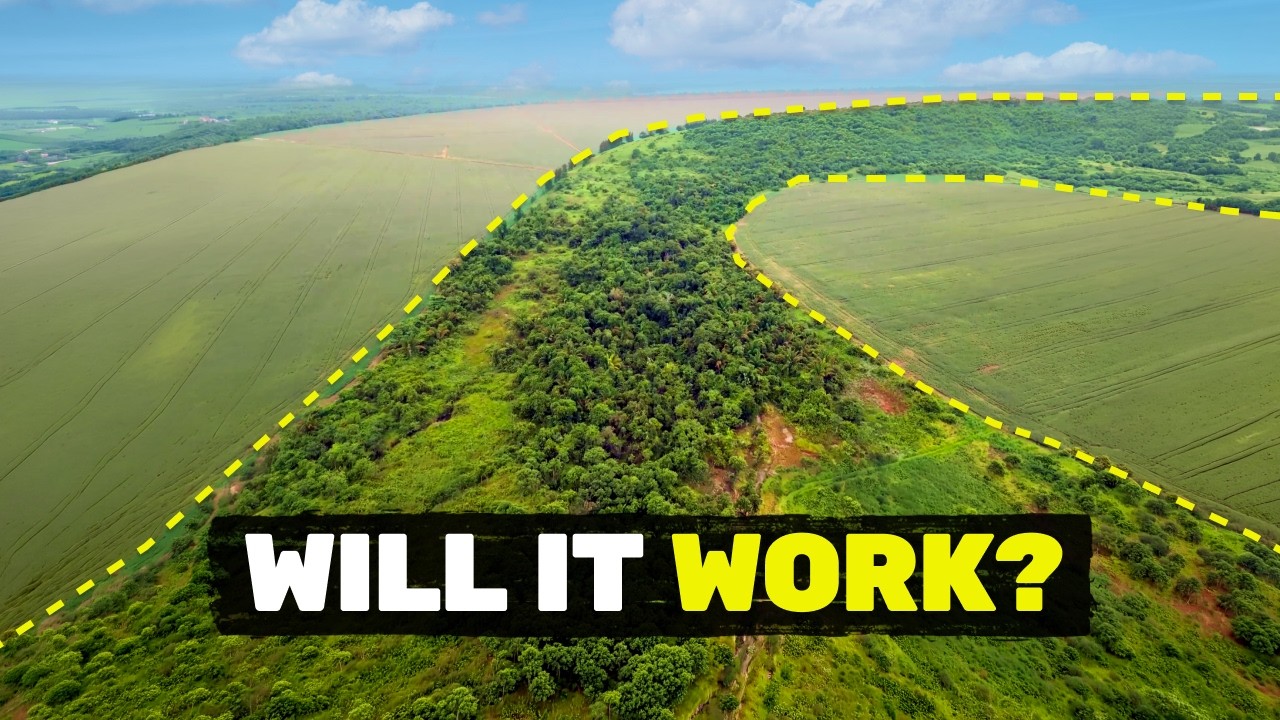
We’re building a GIANT nature corridor
Planet Wild
Highlighting the restoration of Brazil's Cerrado ecosystem, the video illustrates the critical role of rewilding in enhancing biodiversity and connecting fragmented habitats for wildlife conservation.
Watch on YouTube →Supporting Evidence (5 more)
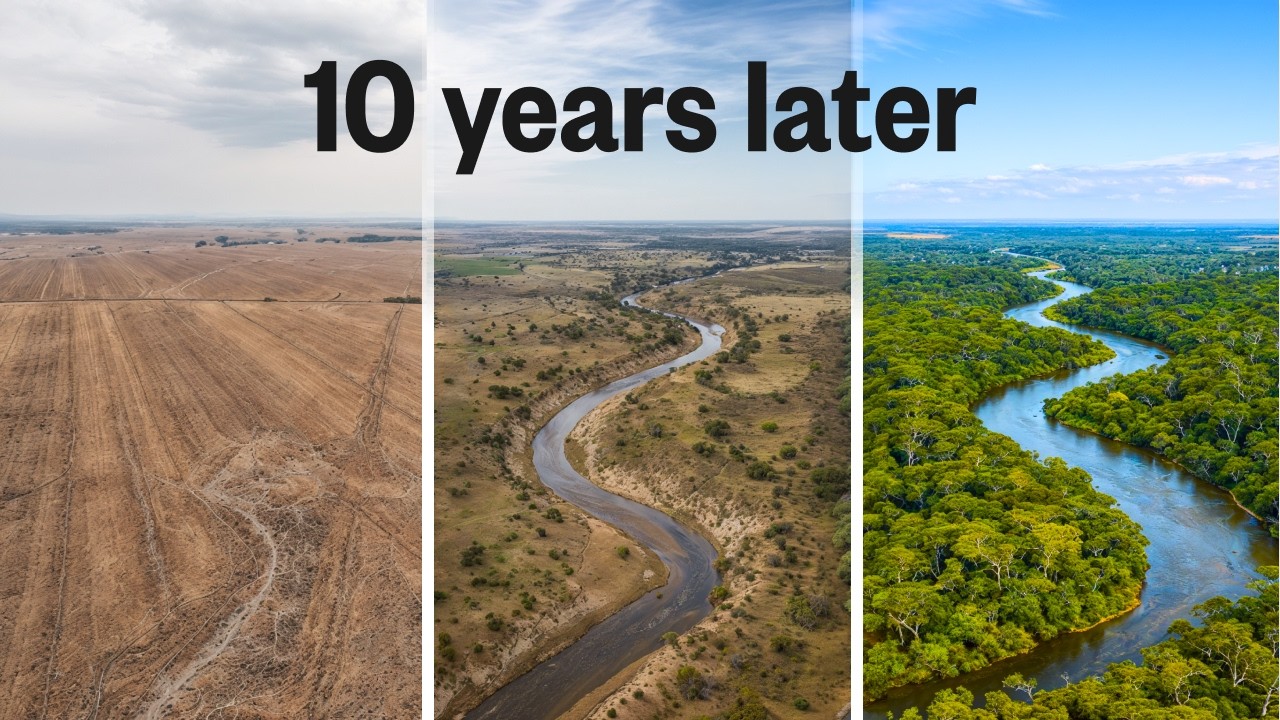
The Genius Solution to Rewild This River
Highlighting the restoration of the Cerrado's biodiversity corridor underscores the critical role of rewilding in maintaining ecological balance and preserving unique species in rapidly disappearing ecosystems.
Watch on YouTube →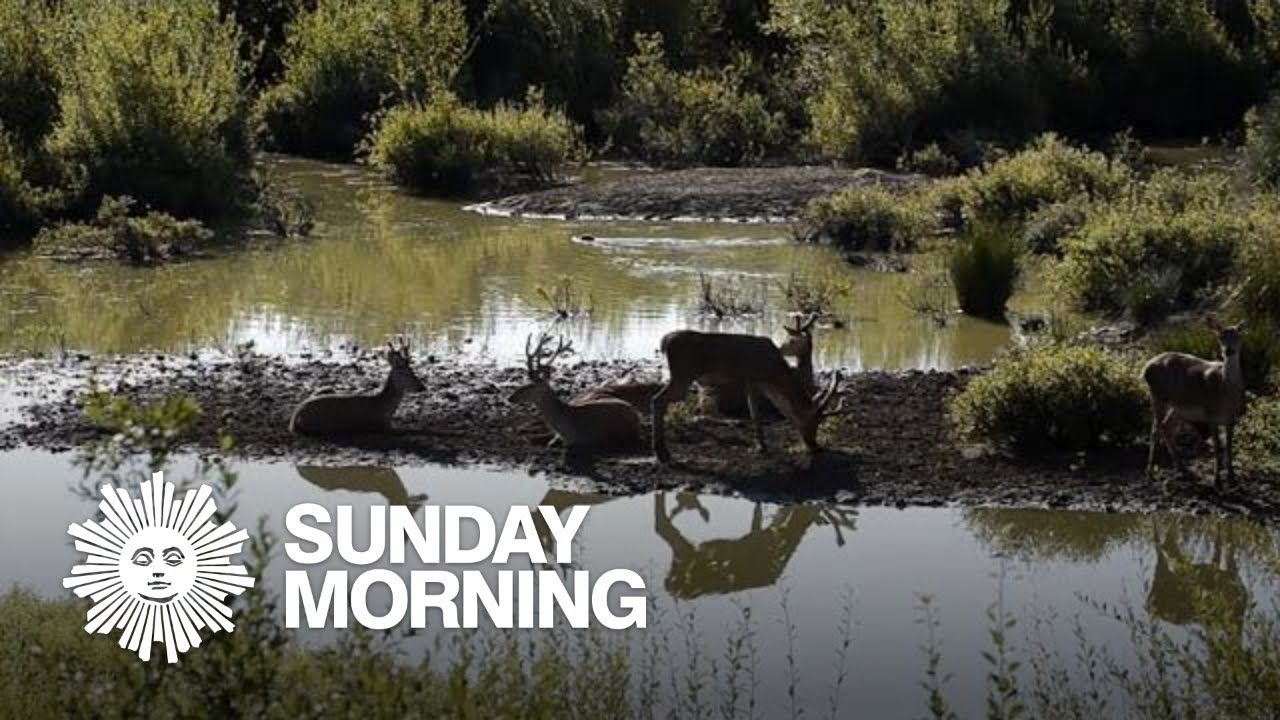
Rewilding: Letting nature take over
Demonstrating the rapid recovery of biodiversity through rewilding, the video highlights how relinquishing land management allows ecosystems to thrive, showcasing the scientific principles of ecological restoration and resilience.
Watch on YouTube →
A Bold Plan to Rewild the Earth — at Massive Scale | Kristine McDivitt Tompkins | TED
Highlighting the urgent need for large-scale rewilding, this video illustrates how restoring ecosystems can combat biodiversity loss and climate change through natural processes and species reintroduction.
Watch on YouTube →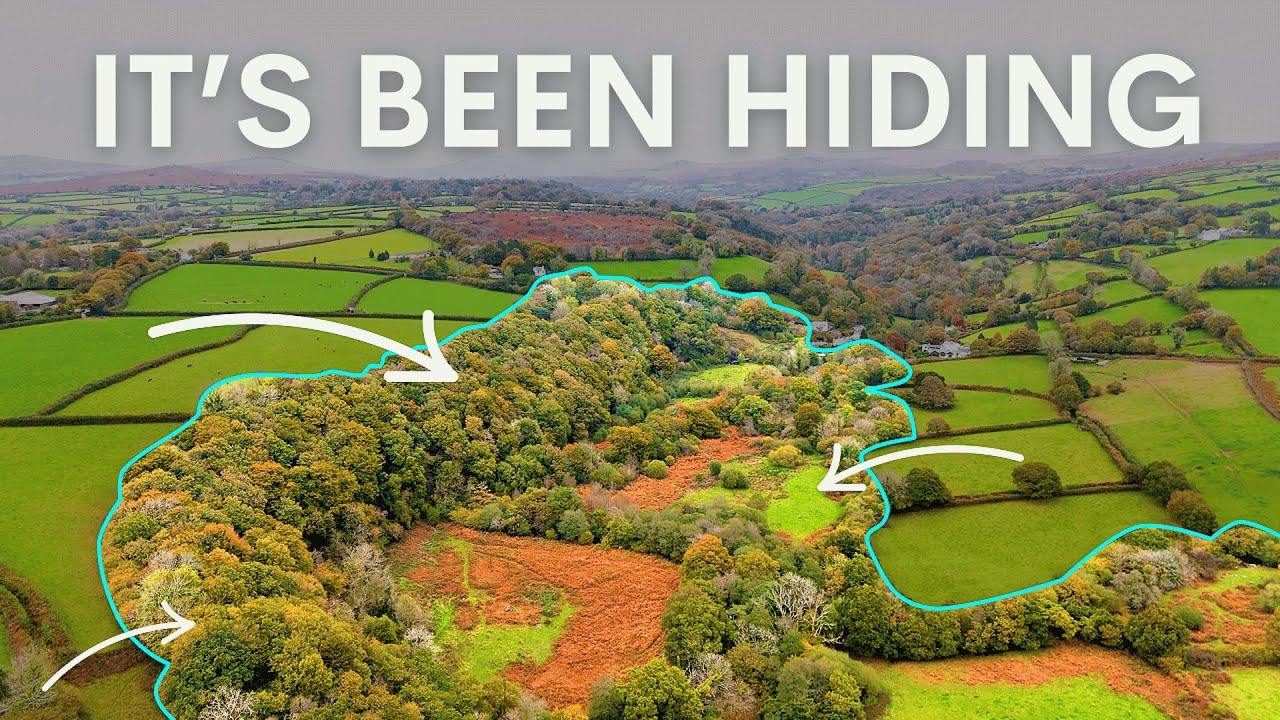
The 35 Year Rewilding Project You've Never Heard of
Showcasing a transformative rewilding project, the video illustrates how intentional land management can restore ecosystems while simultaneously producing food, highlighting the synergy between agriculture and biodiversity.
Watch on YouTube →
How Wolves Change Rivers
Classic explanation of trophic cascades and how wolf reintroduction transformed Yellowstone's ecosystems
Watch on YouTube →Frequently Asked Questions
- What is rewilding?
- Rewilding is large-scale conservation aimed at restoring and protecting natural processes and core wilderness areas, providing connectivity between such areas, and protecting or reintroducing apex predators and keystone species. Unlike traditional conservation which often manages for specific species or habitats, rewilding focuses on restoring ecological processes and reducing human management. Key principles include: protecting large core areas, establishing connectivity, reintroducing keystone species, and letting natural processes (fire, flooding, predation) shape ecosystems.
- What is a trophic cascade?
- A trophic cascade is a domino effect triggered by changes at the top of the food chain. When apex predators (like wolves) are removed, herbivore populations explode, overgrazing vegetation, which affects birds, insects, fish, and stream morphology. Reintroducing predators can reverse this: wolves in Yellowstone changed elk behavior, allowing willows to recover, which enabled beaver return, which created wetlands, which altered stream channels and cooled water temperatures for fish. Top predators structure ecosystems from the top down.
- Is rewilding just about bringing back wolves and bears?
- No. While charismatic megafauna get attention, rewilding includes: (1) Passive rewilding — simply stopping management and letting nature recover; (2) Active rewilding — reintroducing missing species from beavers to bison; (3) Connecting landscapes — creating wildlife corridors; (4) Urban rewilding — wilder green spaces in cities; (5) Process-based rewilding — restoring natural disturbance regimes like fire and flooding. It's about ecosystems, not just species.
- What about human safety and livestock?
- These are legitimate concerns that rewilding projects must address. Tools exist: guardian dogs, electric fencing, compensation programs, and early warning systems for communities. Education reduces fear. Economics matter — ecotourism revenue often exceeds livestock losses. Norway pays shepherds to graze sheep in wolf areas with guard dogs. Successful rewilding requires building social tolerance through benefits, communication, and addressing genuine concerns. It's as much about human dimensions as ecology.
- Can rewilding work in densely populated areas?
- Yes, at different scales. Europe shows rewilding can work in populated landscapes: Netherlands has wolves, beavers have returned to UK cities, and wild boar thrive in Berlin. Urban rewilding creates wilder parks, green corridors, and native plantings. Rural rewilding can coexist with low-intensity agriculture and forestry. It's not all-or-nothing — gradients of wildness across landscapes. The goal isn't pristine wilderness everywhere, but functional ecosystems integrated with human activities.
- How does rewilding help climate change?
- Rewilded ecosystems sequester 2-10x more carbon than managed landscapes. Natural forests store more carbon than plantations. Wetlands store massive carbon. Large herbivores affect vegetation structure and fire regimes. Biodiverse ecosystems are more resilient to climate impacts. Connectivity allows species to shift ranges as climate changes. While not a substitute for emission reductions, rewilding is a powerful natural climate solution. Every hectare restored helps.
- What can individuals do to support rewilding?
- (1) Support rewilding organizations financially; (2) Let your garden or yard rewild — native plants, less mowing, wildlife features; (3) Advocate for wildlife corridors and habitat connectivity in your community; (4) Learn about coexistence and support human-wildlife tolerance; (5) Visit rewilding areas as an ecotourist — economic benefits drive acceptance; (6) Vote for policies supporting landscape-scale conservation and species recovery. Every small action contributes to a wilder world.
Research Sources
15 peer-reviewed papers + 0 scientific background sources
View all 15 citations
Trophic rewilding and ecosystem restoration
Philosophical Transactions Royal Society B, 2023
Rewilding large herbivores and predators restores trophic cascades; keystone species disproportionately impact ecosystem structure
Wolf reintroduction in Yellowstone
Proceedings of Royal Society B, 2022
Wolf reintroduction triggered cascading effects: reduced elk herbivory, willow recovery, beaver return, improved stream morphology
Pleistocene rewilding and megafaunal ecology
Nature Reviews Earth & Environment, 2023
Loss of megafauna (animals >44kg) altered vegetation, nutrient cycling, and fire regimes; ecological surrogates can restore some functions
Connectivity conservation and wildlife corridors
Nature Climate Change, 2023
Wildlife corridors enable range shifts under climate change; increase genetic diversity; reduce human-wildlife conflict
Rewilding and carbon sequestration
Nature Climate Change, 2023
Rewilded ecosystems sequester 2-10x more carbon than managed landscapes; natural regeneration outperforms plantations
Human-wildlife coexistence in rewilding landscapes
People and Nature, 2023
Successful rewilding requires community involvement; economic benefits (tourism, ecosystem services) can offset costs; communication essential
Beaver rewilding and wetland restoration
Nature Reviews Earth & Environment, 2023
Beaver dams create wetlands, store water, filter pollutants, increase biodiversity, and reduce downstream flooding; ecosystem engineers par excellence
Herbivore rewilding and vegetation dynamics
Journal of Ecology, 2023
Large herbivores shape vegetation structure; rewilding reduces fire risk in fire-prone landscapes; creates habitat heterogeneity
Rewilding abandoned farmland in Europe
Nature Sustainability, 2023
10 million hectares of European farmland abandoned; passive rewilding rapidly restores forest; conflicts with traditional agriculture values
Financial mechanisms for rewilding
Conservation Biology, 2023
Rewilding finance evolving: carbon credits, biodiversity credits, nature-based solutions contracts; payments for ecosystem services emerging
Predator reintroduction and ecosystem resilience
Science Advances, 2023
Predators increase ecosystem resilience by controlling prey populations and creating 'landscapes of fear' that structure vegetation
Urban rewilding and human wellbeing
The Lancet Planetary Health, 2023
Urban rewilding improves mental health, reduces heat island effect, increases biodiversity; even small patches provide benefits
Rewilding and zoonotic disease risk
Nature Communications, 2023
Biodiversity reduces disease transmission via 'dilution effect'; intact ecosystems with natural predators have lower disease risk
Ongoing rewilding projects globally
Conservation Science and Practice, 2023
Over 100 large-scale rewilding projects globally covering 5+ million hectares; long-term monitoring still limited
Traditional ecological knowledge in rewilding
Ecology and Society, 2023
Indigenous land management practices often align with rewilding principles; TEK integration improves outcomes and legitimacy
Related Research in This Series
Continue Reading
More from Ecology Restoration

Unlocking Rapid Ecosystem Recovery: Positive Tipping Points
Positive tipping points can accelerate ecosystem recovery faster than expected. Explore how ecological restoration achieves rapid transformation through...

AI for Ecosystem Restoration: Optimizing Nature's Recovery
AI is revolutionizing ecosystem restoration by optimizing nature's recovery through advanced algorithms. Explore how technology enhances conservation ef...

Seed Saving for Ecological Restoration: Principles of Genetic Diversity and Ecosystem Resilience
Picture a meadow in late summer, golden light slanting through stalks of wild rye and purple coneflower.
Share this article

Rewilding Principles and Practices: A Comprehensive Guide to Ecosystem Recovery and Functionality
Picture a grassland where bison graze, their hooves aerating soil as seeds hitch rides in their fur.