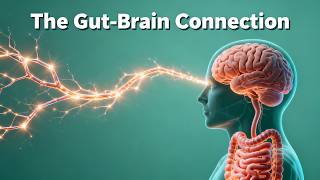
Your gut and brain are constantly communicating, and this connection influences your mood, focus, stress levels, and overall well-being. In today's video, we're exploring the gut brain connection in simple science-based terms. You'll understand how supporting your gut can improve mental clarity, emotional balance, and long-term physical health. Because true wellness doesn't start in the mind alone. It starts within the body. Let's begin. Have you ever felt butterflies before a big moment? A tight stomach during stress? Loss of appetite when overwhelmed? That isn't random. That's communication. Your digestive system contains over 100 million nerve cells. That's more than your spinal cord. This network is called the entic nervous system. sometimes referred to as your second brain. And it doesn't just process food. It processes signals. The gut and brain are connected through a two-way system called the gutb brain axis. This communication happens through the vagus nerve, hormones, immune pathways, and your gut microbiome. Your brain sends signals down to your gut. Your gut sends signals back up to your brain constantly, even when you're asleep. This isn't a one-way street. It's a conversation. Inside your gut live trillions of microorganisms bacteria fungi and other microbes. Together, they form your microbiome. Think of it as an internal ecosystem. When balanced, it supports stable mood, efficient digestion, reduced inflammation, strong immunity. But when disrupted through chronic stress, ultrarocessed foods, lack of sleep or antibiotics, that balance shifts and the signals sent to your brain shift too. Serotonin and the gut. Around 90% of serotonin is produced in the gut. Serotonin, also known as a feel-good chemical, helps regulate mood, sleep, emotional resilience, and appetite. When your gut environment is healthy, serotonin production is more stable. When your gut is inflamed or imbalanced, that production can be affected. This is why digestive problems are often associated with anxiety, low mood, brain fog, and irritability. Your gut doesn't just digest food. It influences how you experience life. Stress, the disruptor. The relationship goes both ways. When you're stressed, your brain signals your body to enter survival mode. Digestion slows. Blood flow shifts. Gut bacteria composition can change over time. You might notice bloating, cramping, appetite shifts, or increased sensitivity. Chronic stress can gradually weaken the gut barrier, increasing inflammation. And inflammation affects brain clarity and mood. Stress affects the gut. The gut affects the brain. It's a loop. Low-grade inflammation is now being studied as a contributor to brain fog, fatigue, and mood instability. Your gut lining acts as a protective barrier. When that barrier becomes compromised, sometimes called increased intestinal permeability, inflammatory signals can increase in the body. Your brain feels that clarity drops, energy fluctuates, focus becomes harder. This isn't just in your head. It's biological. So, how do we support the gut brain system? The good news is this system is adaptable. Small consistent habits can shift the entire conversation between your gut and brain. Start here. One, increase fiber. Fiber feeds beneficial gut bacteria. Aim for variety vegetables, legumes, fruits, seeds, whole grains. Two, add fermented foods like yogurt, kafir kimchi sauerkraut. These introduce beneficial bacteria. Three, reduce ultrarocessed foods. Excess sugar and additives disrupt microbiome balance. Four, prioritize sleep as your microbiome follows circadian rhythms. Poor sleep disrupts gut balance. Five, regulate stress through breathing exercises, walks, quiet mornings, and Sunday resets. Stress management is gut care. We often separate mental health and physical health, but your body doesn't. Your gut health affects, emotional resilience, stress response, energy levels, and immune strength. This is where holistic health truly begins. Not extreme diets, not perfection, not restriction, but supporting the systems that support you. This is just the beginning. Because when your gut improves, energy stabilizes, inflammation lowers, sleep improves, mental clarity strengthens, and your body starts working with you instead of against you. In the coming videos, we'll explore how different systems in your body connect and how small habits can support them. Before you go, notice your body right now. Is it tense? Is it calm? Your body is always communicating. The question is, are you listening? If this helped you understand your health on a deeper level, subscribe for simple science-based habits each week. Small changes, sustainable balance, holistic health.