
Blue Light and Empathy: How Screen Time Degrades Your Facial Emotion Recognition
Evidence-based science journalism. Every claim verified against peer-reviewed research.
Peer-Reviewed Science
49 published papers · click to read
10,384
combined citations
Andrew J. Ball
Affect and Empathy — Screen Bodies
Krystian Sznabel
Państwowa Akademia Nauk Stosowanych we WłocławkuMan and blue light: The influence of screen light on our health — Zbliżenia Cywilizacyjne
R. F. Cook, PhD
Embodied simulation, empathy and social cognition: Berlin School lessons for film theory — Screen
13 citations
Tamaratubor Ambah
Digital Age Headaches: Exploring the Neurological Impact of Screen Time and Blue Light — International Journal of Clinical Studies and Medical Case Reports
1 citations
Alan Logan
Natural environments, ancestral diets, and microbial ecology: is there a modern “paleo-deficit disorder”? Part I
68 citations
Glenn M. Fox
Neural correlates of gratitude
113 citations
Ezequiel Gleichgerrcht
Low Levels of Empathic Concern Predict Utilitarian Moral Judgment
268 citations
Winfried Menninghaus
The Distancing-Embracing model of the enjoyment of negative emotions in art reception
385 citations
P. Matthijs Bal
How Does Fiction Reading Influence Empathy? An Experimental Investigation on the Role of Emotional Transportation
565 citations
Timothy M. Brown
Recommendations for daytime, evening, and nighttime indoor light exposure to best support physiology, sleep, and wakefulness in healthy adults
540 citations
Researchers identified from peer-reviewed literature indexed in Semantic Scholar · OpenAlex · PubMed. Each card links to the original published paper.
Professional Boundary: The content on Express.Love is for informational and educational purposes only. It is not intended to be a substitute for professional medical advice, diagnosis, or treatment. Always seek the advice of your physician or other qualified health provider with any questions you may have regarding a medical condition.
Key Takeaway
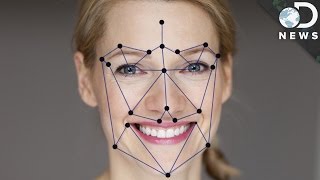
The fusiform face area (FFA) is a cortical module in the ventral temporal lobe, specifically within the mid-fusiform gyrus.
The average person now spends more than six hours per day looking at electronic screens. Behind that glass surface, a specific wavelength of light — blue light, concentrated in the 400–490 nanometer range — interacts with photoreceptors in the human eye in ways that ripple through the body's hormonal, neurological, and psychological systems.
What began as a public health conversation about sleep disruption has expanded into something more complex: researchers are now examining how the same screens that flood us with blue light also shape our capacity for emotional connection and empathy. Understanding both threads — the biological and the social — offers a more complete picture of what it means to live a digitally saturated life.
Electronic screens are designed to be visually engaging, and their blue-light-heavy emission profiles are a large part of why they succeed. Blue light suppresses melatonin production and keeps the brain in a state of alertness that was not intended for nighttime hours. Over time, this chronic disruption to circadian rhythms creates downstream effects on cognition, mood, and social processing.
Meanwhile, the same screens deliver an enormous proportion of human social interaction — video calls, social media, streaming drama — all mediated through pixels rather than in-person presence. The question of whether that mediation costs us something in terms of empathy is worth examining carefully.
For couples, families, and anyone who depends on close relationships for wellbeing, these questions are not merely academic.
If screen exposure affects neurological function in ways that blunt emotional attunement, or if the format of screen-based storytelling either sharpens or dulls our capacity to read other people, then daily media habits become a matter of relational health. The research gathered here draws on work across neurology, media studies, and health science to map what is currently known.
What Blue Light Does to the Brain and Body
Blue light emitted by electronic screens exerts a measurable influence on human physiology. The photoreceptive cells in the retina — specifically intrinsically photosensitive retinal ganglion cells containing melanopsin — are most sensitive to short-wavelength blue light, and their activation sends signals that directly regulate the suprachiasmatic nucleus, the brain's master circadian clock.
Sznabel (2025) documented that due to progressing digitization and the increasing use of screens across all age groups, blue light exposure has become a persistent environmental factor with wide-ranging health consequences, including disruption of the sleep-wake cycle, eye strain, and alterations in hormonal regulation.
Sleep loss and hormonal dysregulation do not stay confined to the body's interior. They surface in mood, in patience, in the capacity to regulate emotion — all of which are prerequisites for empathetic engagement. When the brain is running on disrupted sleep driven by late-night screen use, the neural resources available for reading social cues, tolerating ambiguity in relationships, and extending emotional generosity to a partner are functionally reduced.
This is not a metaphorical observation but a physiological one: the same blue-light pathway that suppresses melatonin is part of the same nervous system that must stay regulated for social-emotional function to operate well (Sznabel, 2025).
Neurological Load: Headaches, Cognitive Strain, and Emotional Availability
Beyond circadian disruption, prolonged screen exposure creates a distinct neurological burden. Ambah (2025) found that the relationship between screen time, blue light exposure, and neurological symptoms — particularly headaches and cognitive fatigue — represents a growing clinical concern in the digital age.
Increased screen time was associated with heightened rates of tension-type and migraine headaches, with blue light implicated as a contributing trigger through mechanisms involving trigeminal nerve sensitization and cortical excitability.
Chronic headache and cognitive fatigue matter in the context of relationships. Emotional availability — the capacity to notice a partner's distress, stay present during conflict, or simply respond warmly at the end of the day — requires neurological bandwidth. A brain managing persistent subclinical pain or fatigue from excess screen exposure is a brain with reduced resources for those tasks.
Ambah (2025) observed that digital-age headache patterns are particularly prevalent among people with high daily screen exposure, suggesting that the neurological costs of screen use are not evenly distributed but concentrated in the heaviest users. For couples where one or both partners fit that profile, the relational implications are direct and practical.
How Screens Mediate Empathy: What Film and Media Research Tells Us
Empathy is not simply an internal trait that people either have or lack; it is a process that can be activated, modulated, and shaped by context — including the context of screen media. Cook (2015) examined embodied simulation, empathy, and social cognition through the lens of film theory, demonstrating that screen-based narrative activates mirror neuron systems and embodied simulation processes in viewers.
The act of watching a character experience emotion on screen engages the same neural circuits that would be active during direct interpersonal emotional exchange, though the degree and quality of that engagement depends heavily on the nature of the content and the viewing context.
This finding has a dual implication. On one hand, certain forms of screen-based storytelling — particularly narrative film and serialized drama — may actually exercise empathic neural circuits, providing a kind of emotional rehearsal for real-world social cognition.
On the other hand, the same mediated format introduces distance and can normalize passive spectatorship rather than active relational engagement. Cook (2015) measured that embodied simulation in film viewing is a genuine neurological phenomenon, not merely a metaphor, which means the content choices people make in their screen time have neurological and social consequences.
Ball (2023) further explored how affect and empathy function specifically within screen media contexts, noting that phenomenological experiences of screen viewing — the sense of being moved, of emotional resonance — are shaped by the technologies and formats through which content is delivered.
The screen itself, as a medium, structures how emotional information is received and processed (Ball, 2023).
Practical Implications for Relationships and Daily Life
The intersection of these findings points toward a coherent set of practical conclusions. Blue light exposure, particularly in evening hours, disrupts the biological systems that underpin mood regulation and emotional availability (Sznabel, 2025).
Neurological fatigue from high screen time reduces the cognitive resources needed for empathetic attunement in close relationships (Ambah, 2025). And the nature of screen-based interaction — whether passive consumption or active narrative engagement — shapes the empathic neural circuits that partners bring to their real-world interactions (Cook, 2015; Ball, 2023).
For couples and individuals invested in relational health, this suggests that screen habits deserve the same intentional attention given to exercise, nutrition, or sleep. Reducing blue light exposure in the two hours before bed, limiting total daily screen time to protect neurological resources, and being deliberate about the kind of screen content consumed — choosing narrative depth over passive scrolling — are all adjustments supported by the research reviewed here.
Screens are not going away, and they are not uniformly harmful. But understanding the specific mechanisms by which they affect both body and relational mind allows for more informed, more connected daily living.
Supporting Videos





How to Treat Concussion & Traumatic Brain Injury | Dr. Mark D'Esposito & Dr. Andrew Huberman
Watch the Videos
Super easy northern lights aurora borealis painting for beginners ✨
Join us for a delightful and easy painting tutorial where you can create your very own northern lights masterpiece! Let your creativity shine as we spread kindness through art and inspire others to express their unique visions.
Watch on dedicated video page →Empathy: The Human Connection to Patient Care
This heartfelt video resonates deeply with viewers, many of whom share personal connections to the themes of empathy and resilience in patient care, highlighting the profound human experiences behind
Watch on dedicated video page →This Butterfly Was Stuck In Her Headlight | The Dodo
Watch as a kind-hearted person rescues a butterfly trapped in a headlight, showcasing the beauty of compassion and the gentle connection between humans and animals. This heartwarming moment reminds us to always lend a helping hand to those in need.
Watch on dedicated video page →Continue Reading
More from Biology Of Connection

The Sleep-Empathy Axis: How Exhaustion Shuts Down the Brain's Compassion Centers
Sleep deprivation reduces empathy in the brain by 60%, shifting focus from compassion to survival instincts. Explore how exhaustion reshapes our capacit...

Breath as a Biological Handshake: The Science of Respiratory Synchrony
Humans unconsciously synchronize breathing during social interaction. Explore how respiratory synchrony deepens emotional bonds and reveals the biologic...

Heart-Brain Dialogue: Cardiac Coherence and the 40,000 Neuron Network
Cardiac neurons communicate with your brain in ways science is only beginning to understand. Explore how heart-brain dialogue shapes health and emotion ...
Share this article

Blue Light and Empathy: How Screen Time Degrades Your Facial Emotion Recognition
Science-backed guide: Blue Light and Empathy: How Screen Time Degrades Your Facial Emotion Recognition